The museum in Banská holds fragments of the town’s past: clay pots, faded photographs, worn hinges from old doors. There are no guided tours or crowds. Just a room where objects once belonged to someone.
The building is over a century old, built when the region was under Ottoman rule. Its stone walls, high ceilings, and wooden beams have endured. Inside, plasterwork, tiled stoves, and hand-forged iron doors remain.
The exhibits show pieces of life. Clay jugs, wooden spinning wheels, coins with profiles of rulers long gone. The most vivid are the photographs—black-and-white images from the early 1900s. People sit on doorsteps, celebrate weddings, stare into the camera. These aren’t records of great events. They’re records of ordinary lives.
One room focuses on crafts. Looms, blacksmith’s tools, pottery wheels. The rugs stand out—woven by local women, each pattern with its own meaning. A wedding rug for a daughter. A festive one for the home. Nearby, instruments like the *shargija*, a flute still played at celebrations.
A section on war holds soldiers’ letters, children’s drawings made during bombings, personal items from battlefields. These don’t explain politics. They show how war disrupts lives—and how hope sometimes survives.
The museum also displays items from both Serb and Albanian cultures. Traditional clothing, jewelry, religious objects side by side. Wedding dresses, for example, are detailed in both traditions, though the patterns differ. The craftsmanship is what matters.
This isn’t a place for interactive exhibits. It’s for slowing down—spending time with old photographs, touching wooden tools, reading century-old letters. Afterward, the town feels different. The streets, the houses, the stones underfoot seem to carry their own stories.
Banská moves at its own pace. The museum keeps the town connected to its past. Many items are family heirlooms—a grandmother’s chest, a grandfather’s axe, a photograph passed down through generations. They’re pieces of lives that still matter here.
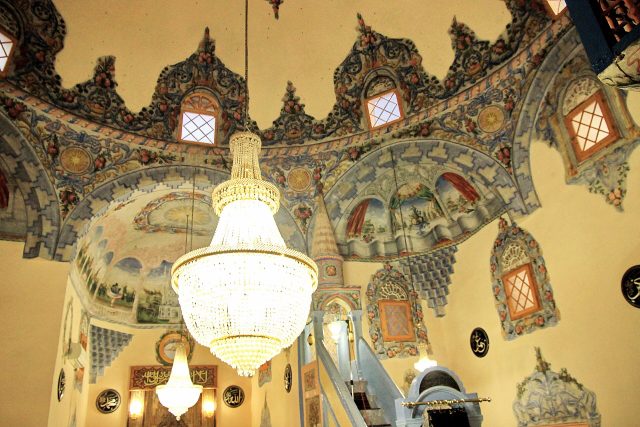
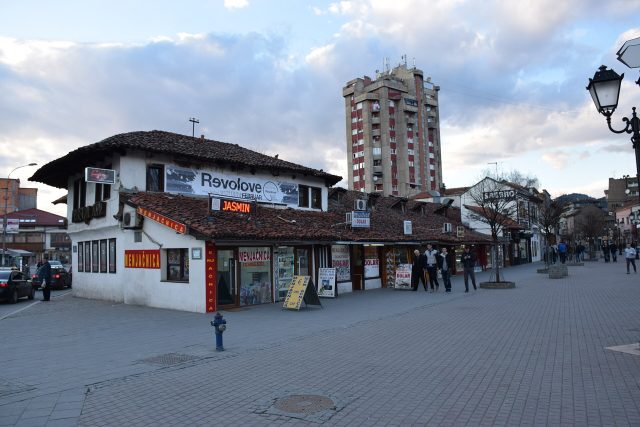
Walk through the town afterward. Quiet courtyards, carved balconies, the sound of a hammer in a workshop. At the center, a mosque and an Orthodox church stand side by side, as they have for centuries.
The museum in Banská isn’t trying to be Kosovo’s most famous attraction. It exists quietly, a reminder that history isn’t just about wars and revolutions. It’s about the small, human stories that shape a place. Here, you can sit in the silence and think about how much changes—and how much stays the same.