Market Square in Valmiera is one of those places where the city reveals itself without pretense, like an old photograph where every detail carries the weight of the past. There’s no rush of tourist crowds here, just the quiet rhythm of provincial life—heard in the cobblestones underfoot, the creak of shop doors, the murmur of locals chatting over coffee. The square isn’t large, but its modest size makes it feel intimate, almost like a second home. Tucked in the heart of Valmiera, it offers a glimpse of the city’s layers, where medieval streets blend into modern cafés and small shops, as if time itself flows differently here.
The square’s history stretches back to the days when Valmiera was a key trading hub in Livonia. Centuries ago, merchants from across Europe gathered here, their stalls overflowing with goods, while craftsmen displayed their wares and townspeople exchanged news. Market Square wasn’t just a place for commerce—it was the social heart of the city, where deals were struck and friendships forged. Though the market isn’t as bustling as it once was, traces of that past linger, especially on Saturdays when small fairs pop up, selling local produce and handmade crafts. The square still feels like a meeting point, a place where the old and the new coexist.
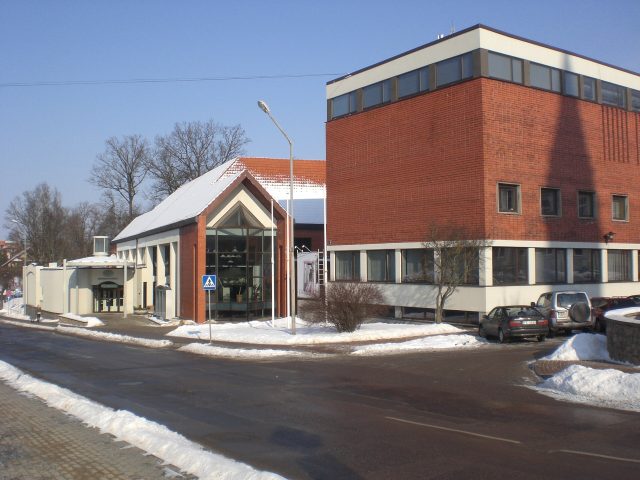
The architecture here tells its own story, a mix of styles that reflect Valmiera’s growth over the centuries. The oldest buildings date back to the 18th and 19th centuries, when the city flourished. Their facades, adorned with classical and Art Nouveau details—high windows, ornate moldings, and sturdy doors—hint at a time of prosperity. Some structures still bear original features, like wrought-iron balconies or carved window frames, adding to the square’s charm. The most striking is the corner building with its tower, a remnant of the old city’s edge, once serving as both a landmark and a boundary. It stands as a quiet reminder of how Valmiera expanded, one street at a time.
Today, life on Market Square moves at an unhurried pace, but it’s far from dull. There are no tourist traps here, just the simple pleasure of wandering past small shops or settling into a café to watch the world go by. In summer, the square hosts concerts and festivals, while winter brings a Christmas tree and an ice rink, turning it into a gathering spot for the holidays. Locals cherish the place for its familiarity—it’s where you run into neighbors, chat with vendors, or simply enjoy the shade of old trees. For visitors, it’s a window into Valmiera’s everyday life, a place where history isn’t just preserved but lived.
What makes the square special are the small details that might go unnoticed at first glance. The vintage streetlamps that glow as dusk falls, the wooden benches lining the sidewalks, or the occasional modern art installation that somehow fits right in. There are also subtle nods to the past, like the memorial plaques commemorating significant events in the city’s history. One honors the victims of World War II, a somber reminder that the square has witnessed both peaceful days and darker times. These elements don’t demand attention—they simply exist, adding depth to the place.
Valmiera isn’t a city that tries to impress, and Market Square embodies that perfectly. There’s no grandeur like Riga’s or the tourist buzz of Jurmala, just an authenticity that seeps into every corner. The square doesn’t aim to dazzle—it just is, much like the city itself, with its own rhythm, traditions, and character. For those who come to Valmiera not for beaches or entertainment but for atmosphere, the square offers a taste of Latvia beyond the usual postcard scenes. It’s a place where provincial life isn’t just preserved but thrives, quietly and without fuss.
If you find yourself in Valmiera, take a moment to linger here. Sit on a bench, listen to the sounds of the city, watch the people passing by. You might begin to understand why this place matters so much to those who call it home—not for grand monuments or loud festivals, but for the steady, unassuming life that has unfolded here for generations. Market Square isn’t just a spot on a map; it’s a living piece of history, still breathing, still evolving, still very much a part of Valmiera’s story.