Rose Square in Liepāja is one of those places where the city breathes at its own unhurried pace, yet never feels shallow. It’s not just an open space in the center—it’s where history, architecture, and everyday life intersect without fanfare. Unlike the well-trodden paths of more famous landmarks, this square offers something rarer: a sense of authenticity, the kind that defines many Baltic towns. The buildings around it were constructed at different times, each with its own story—whether it’s a modest two-story mansion from the early 20th century or later structures that somehow blend seamlessly into the scene.
The square didn’t always exist in its current form. In the 19th century, this spot was home to a bustling market where vendors sold vegetables, fish, and handmade goods. Liepāja was a key port in the Russian Empire then, and the city was growing rapidly. Over time, the market moved elsewhere, and the empty space slowly transformed into a public square. It only became Rose Square later, during the Soviet era, when flowerbeds of roses were planted here. The flowers became a symbol of the place, though today only a few remain—a quiet reminder of how time and urban change reshape even the smallest details.
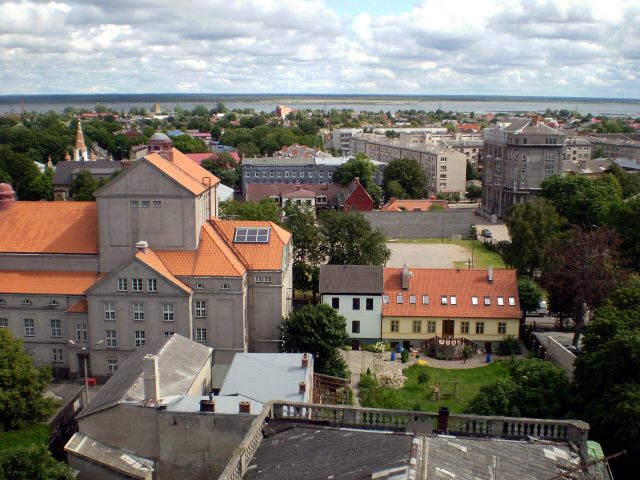
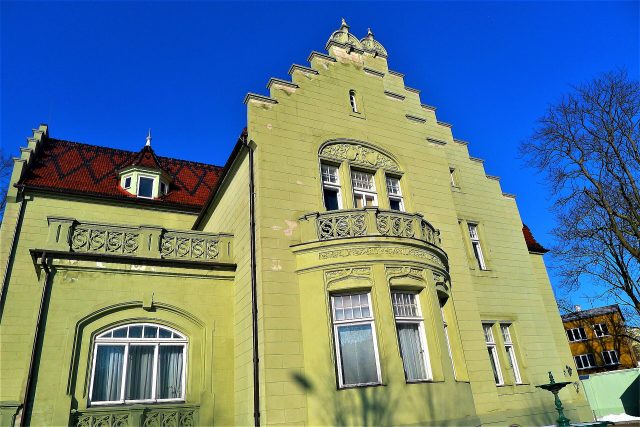
The architecture around the square tells its own story. On one side stands the Liepāja Theatre, built in the 1920s, one of the few surviving examples of functionalist design in the city. Its clean lines and restrained elegance give it a timeless quality, and in the evening, when the streetlights come on, the building’s facade takes on a particularly striking presence. The theatre remains a cultural hub, hosting performances that draw locals and visitors alike. On the opposite side, residential buildings dominate, including one with a mansard roof and bay windows—a classic example of early 20th-century Baltic architecture. These structures aren’t grand, but their simplicity and practicality are part of what makes them charming.
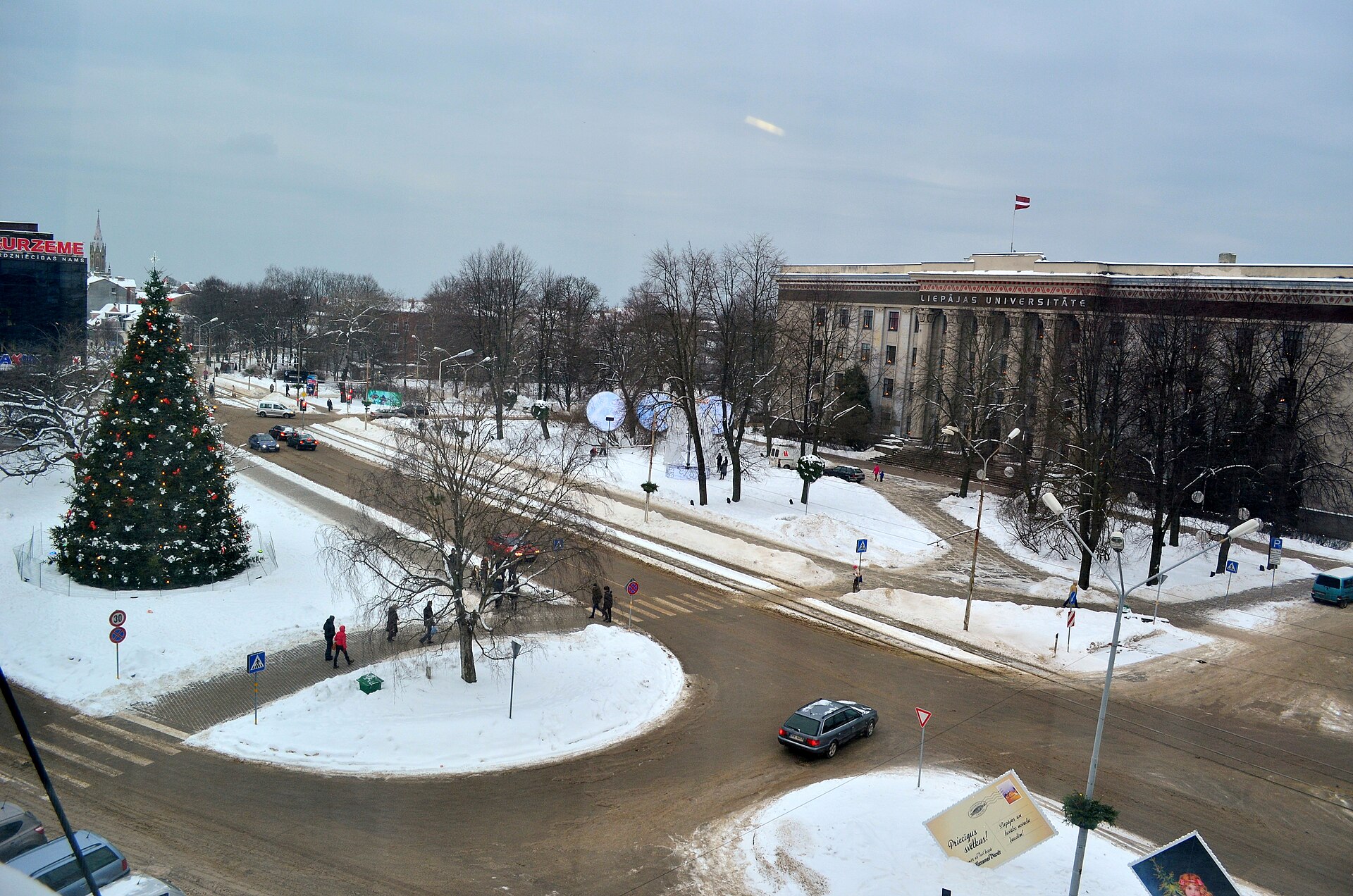
Rose Square isn’t a place of constant activity, but that doesn’t make it dull. Small fairs, open-air concerts, and casual gatherings often take place here, though nothing too loud or crowded. In the summer, retirees sit on benches chatting, while children play on the small playground tucked into a corner. Winter brings a decorated Christmas tree and strings of lights, though the square never becomes overly festive. On rainy days, the wet pavement reflects the glow of streetlamps, and nearby cafés offer warmth and the scent of fresh coffee—a quiet invitation to linger.
The square has seen its share of changes. During the Soviet era, there were plans to construct a large administrative building here, but the project never materialized. Instead, the space remained open, preserving its human scale. This is unusual in cities where every available inch is often developed, and it’s one reason the square still feels like a place for people rather than cars or offices. That sense of openness gives it a rare quality—somewhere you can pass through without noticing or stop to soak in the atmosphere.
Liepāja’s history is complex, and Rose Square reflects that. Many of the surrounding buildings were damaged during World War II but were later restored. The Soviet period left its mark too, with monuments and slogans that have since faded away. Today, the square feels neutral, free from ideology, just a part of the city’s daily rhythm. It’s a place where you can walk through without a second thought or pause to feel the pulse of Liepāja.
For visitors, Rose Square isn’t the kind of attraction that makes it onto every must-see list. But that’s precisely why it’s worth a visit. There are no crowds, no souvenir stalls, no tour guides rushing you along. Just a quiet corner where you can sit on a bench, watch people go by, and realize that Liepāja isn’t just about its port or its military past. It’s a city where ordinary life unfolds in ordinary ways, and that’s what makes it special. The square doesn’t demand attention—it simply offers a moment of connection, a glimpse into the soul of the city.