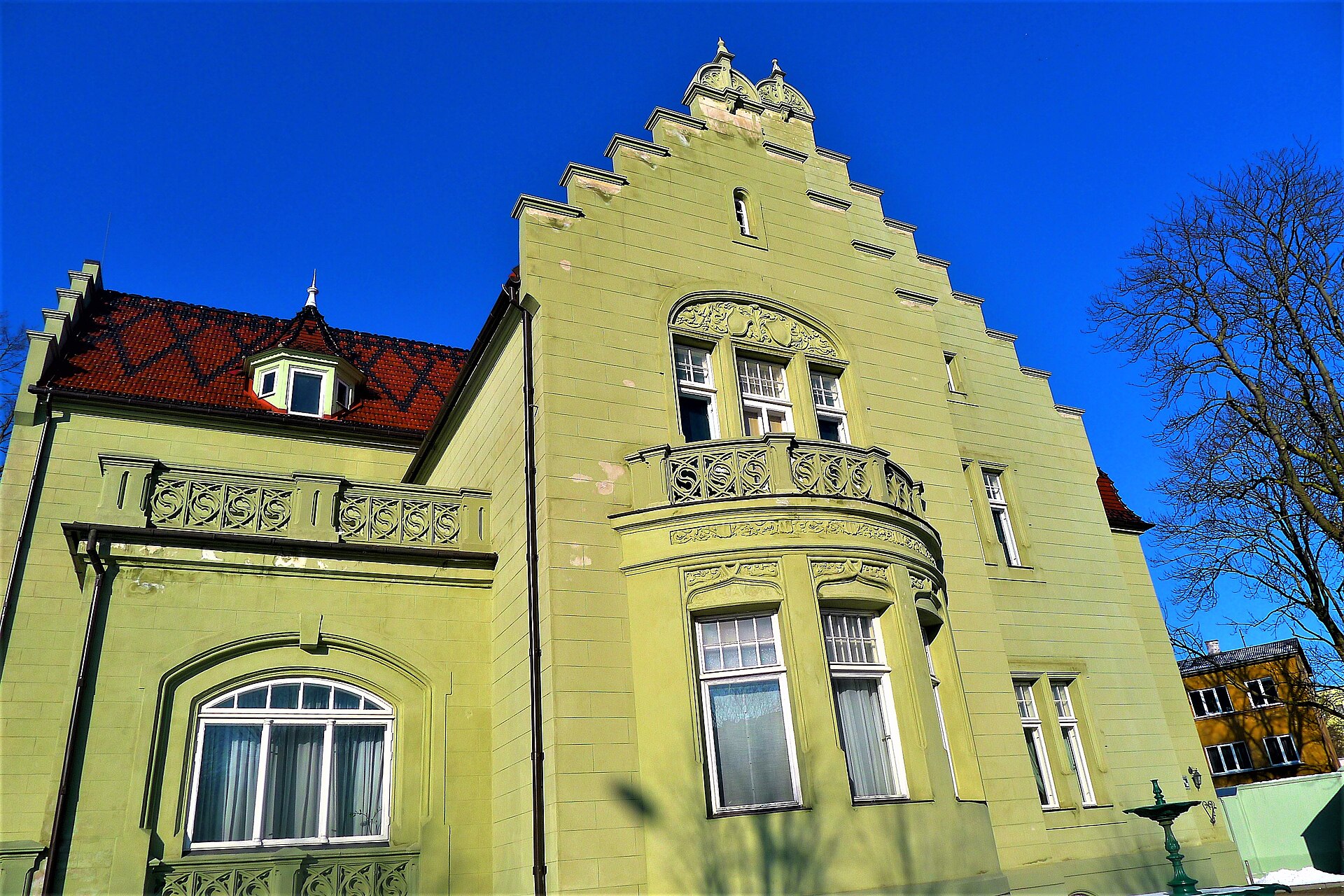
Liepāja Museum of History and Art is the kind of place where the city’s past feels alive—not through dry facts or glass display cases, but through the stories that have been carefully gathered over generations. Housed in the former city hall, a building from the late 18th century, the museum itself is part of the experience. The high ceilings, heavy wooden doors, and worn stone staircases whisper of a time when this was the heart of Liepāja’s decision-making. The architecture blends classical elegance with local craftsmanship, and even if museums aren’t usually your thing, wandering these halls offers a quiet glimpse into the city’s layered history.
The museum began in the early 20th century, when a group of locals decided to preserve the memory of a city in the midst of rapid change. At the time, Liepāja was one of the Russian Empire’s most important ports, a bustling hub of trade, industry, and culture that rivaled the capital. The collection grew from donations—old photographs, documents, household items, and works of art—each piece a fragment of the city’s evolving identity. Today, the museum holds tens of thousands of artifacts, every one a thread in the larger tapestry of Liepāja’s story.
The exhibits are divided into sections, each focusing on a different era. The archaeology halls showcase tools, jewelry, and everyday objects unearthed in and around the city, some dating back to the ancient Curonian tribes who lived here before the arrival of German settlers. Medieval artifacts tell of the Livonian Order and the Hanseatic League, while models of old ships serve as reminders of Liepāja’s long maritime tradition. These displays don’t just present history—they connect it to the land and the people who shaped it.
A separate wing covers the 19th and early 20th centuries, a period of transformation for Liepāja. Factories sprang up, the railway arrived, and the city became one of the first in the region to introduce electric lighting. The exhibits here include theater posters, photographs of the first trams, and household items that belonged to both wealthy merchants and factory workers. A collection of early 20th-century postcards is particularly striking, capturing the streets, buildings, and faces of a city in flux. These images reveal how Liepāja’s social and cultural boundaries blurred over time, creating a unique urban identity.
Art plays a central role in the museum’s offerings. The galleries feature works by local painters, many of whom studied or worked in Liepāja. The collection spans styles and movements, from 19th-century academic paintings to the bold experiments of Latvian modernists in the 1920s. One of the highlights is the work of Jānis Rozentāls, one of Latvia’s most celebrated artists, who was born near Liepāja. His paintings, along with those of his contemporaries, reflect the artistic energy of a provincial city that was anything but provincial in its ambitions.
Beyond the permanent exhibits, the museum regularly hosts temporary shows that explore different facets of Liepāja’s history and culture. These might focus on the Soviet era, traditional crafts, or contemporary art, often accompanied by lectures, discussions, or workshops. The museum isn’t just a place to observe—it’s a space where visitors can engage with historians, artists, and local experts, turning a visit into a conversation about the city’s past and present.
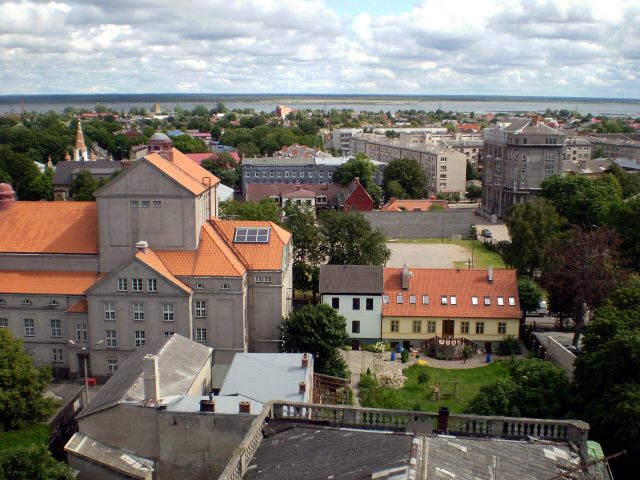
Walking through the museum also changes the way you see Liepāja itself. Many of the artifacts are tied to specific places in the city—old buildings, streets, or parks—and after a visit, it’s hard not to look at them differently. The museum doesn’t just tell stories; it encourages you to step outside and find traces of them in the modern city. Whether it’s a stroll along the waterfront, a detour into a historic courtyard, or a pause in a café where intellectuals once gathered, the museum makes the past feel tangible.
This isn’t a place to rush through. The quiet halls, soft lighting, and carefully curated displays invite you to linger, to read the descriptions, and to reflect on the countless lives that have shaped Liepāja over the centuries. Time seems to move differently here, and that might be why both locals and visitors return again and again. The museum doesn’t impose a single narrative—it simply offers a way to connect with the city’s history, one story at a time.