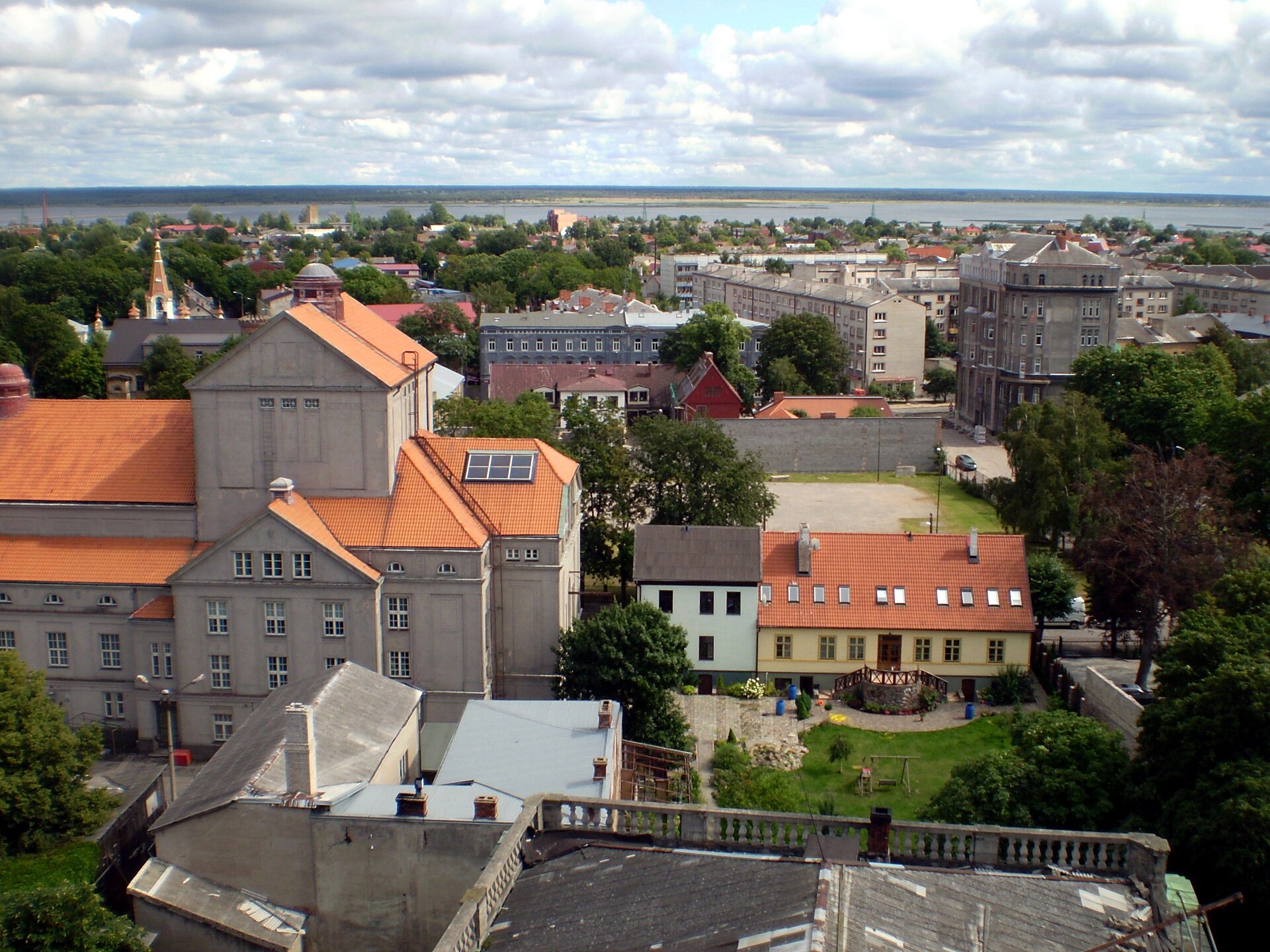
Liepāja Theatre is one of those rare places where time seems to pause, where the walls don’t just echo with music and voices but hold the weight of centuries within them. Standing in the heart of the city, it’s more than just a building—it’s a living piece of Liepāja’s history, shaped by the city’s rise and transformations. The theatre emerged in the mid-19th century, when Liepāja was flourishing as a bustling port and cultural hub of the Kurzeme region. Back then, the city thrived on trade and ambition, and its merchants and intellectuals dreamed of creating a space that could rival the grand theatres of Europe. The first structure was wooden, yet even then, it became a gathering place for locals and visitors, hosting plays in Latvian, German, and Russian.
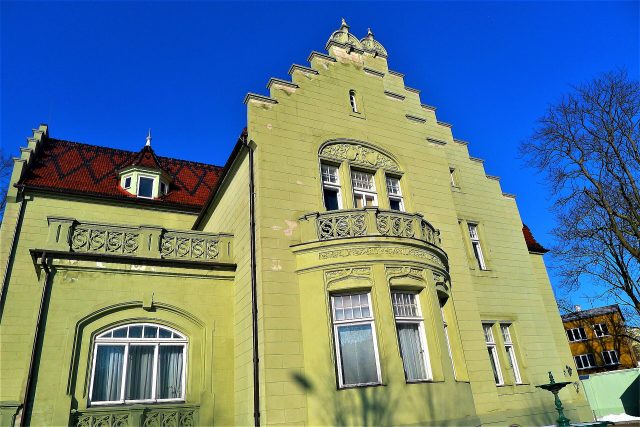
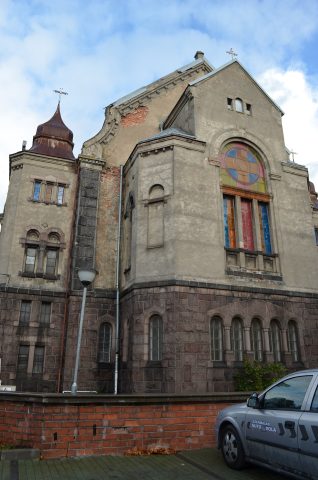
The theatre you see today took its current form in the early 20th century, when Liepāja was reinventing itself as a modern city with big aspirations. Its architecture blends neoclassical elegance with the softer lines of Art Nouveau, giving it a refined yet understated charm. The façade is adorned with columns and intricate stucco work, while inside, the details steal the show—carved balconies, soaring ceilings, and grand chandeliers that bathe the space in warm light. There’s a sense of occasion here, but it never feels overly formal. The theatre isn’t a museum; it’s a working space that evolves with the city, hosting performances, concerts, and festivals that leave their mark on its story.
Liepāja Theatre has always been more than just a stage. Over the decades, it has mirrored the city’s shifting fortunes, serving as a meeting place for ideas, a refuge in times of war, and a symbol of cultural identity. In the late 19th century, it became a hub for Latvia’s national awakening, where intellectuals gathered to discuss the future of their language and culture. During World War I, the building was repurposed as a hospital, and in World War II, it briefly became a storage facility. After the war, it reopened under Soviet rule, becoming part of the state’s cultural machinery. Today, it has reclaimed its role as a place where different generations and tastes intersect, a space that feels both timeless and contemporary.
The theatre’s repertoire is as diverse as the city itself. You’ll find everything from Shakespearean classics to bold, experimental works by Latvian playwrights, along with musical performances that range from traditional to modern. A special place is reserved for stories rooted in Liepāja—tales of its people, its traditions, and its unique character. The theatre isn’t afraid to take risks, but it never loses sight of its audience, who value authenticity and craftsmanship. In the summer, the stage sometimes spills into the streets, turning squares and parks into open-air theatres, a reminder that art doesn’t belong behind closed doors.
What makes Liepāja Theatre truly special is its atmosphere. There’s none of the hustle and bustle of a big-city venue, just a quiet intimacy that draws you in. The auditorium is small, creating a sense of connection between the performers and the audience. During intermissions, you can linger in the foyer, where the walls are lined with photographs of legendary productions and portraits of actors who’ve become part of the theatre’s legacy. Occasionally, the space hosts small exhibitions or concerts, filling it with new energy and color.
Liepāja is a city of layers, where different cultures and eras have left their mark. The theatre reflects this complexity—within its walls, you’ll hear different languages, see different stories, yet everything comes together to form a cohesive whole. It doesn’t claim to be the only cultural landmark in the city—Liepāja has its museums, galleries, and music venues—but the theatre remains a place where the city confronts its past, celebrates its present, and imagines its future.
Visiting Liepāja Theatre isn’t just about seeing a show. It’s a chance to step into the city’s history, to feel its rhythm, and to understand what makes Liepāja unique. There’s no touristy hype here, just a quiet authenticity that’s hard to find in places designed solely for visitors. The theatre doesn’t demand your attention; it invites you to engage, to listen, and to think. That’s its greatest strength—it doesn’t impose experiences but offers a conversation, one that lingers long after the curtain falls.