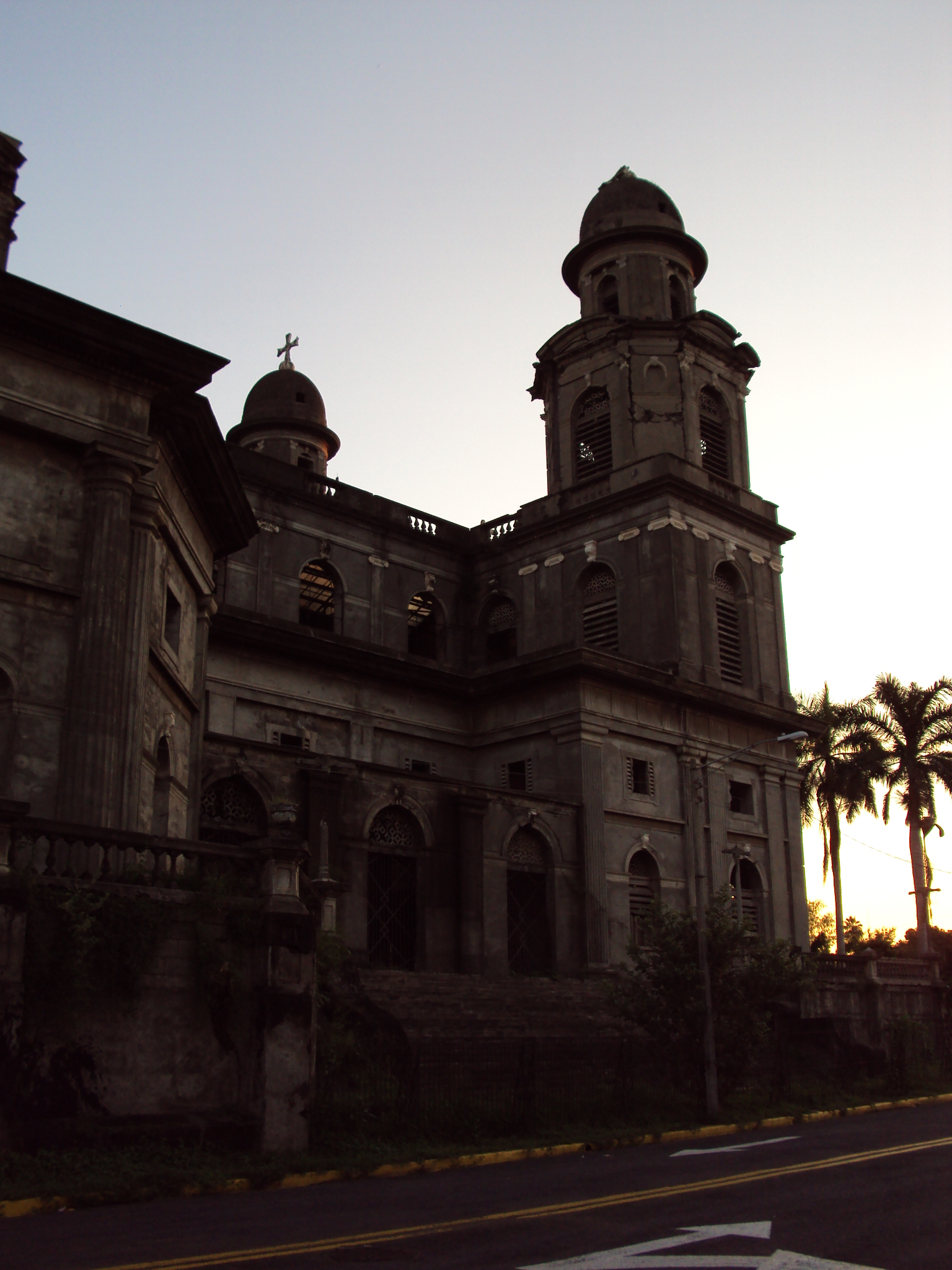
Revolution Square in Managua is one of those places where Nicaragua’s past feels almost tangible. Situated at the heart of the capital, where the city’s main streets converge, it serves as both a geographical and symbolic center. This is where the country’s defining moments unfolded—from the struggles for independence to the revolutionary upheavals of the 20th century. Today, the square remains a gathering place for celebrations, protests, and everyday life, offering visitors a sense of the nation’s pulse.
The square’s architecture tells a story of change. At its center stands a towering monument to Augusto César Sandino, the national hero whose legacy embodies resistance and the fight for freedom. The statue overlooks a broad, paved expanse where families stroll in the evenings and festivals bring music and crowds. Surrounding the square are buildings from different eras—colonial mansions alongside modern government structures—creating a striking contrast of styles that reflects Nicaragua’s layered history.
The square took on its most significant role in 1979, when it became the stage for mass rallies during the Sandinista Revolution. Managua was at the center of transformation, and Revolution Square was its witness. After the revolution’s victory, it became a place of remembrance for those who had fallen and a symbol of hope for the future. Today, memorials and murals scattered across the square serve as reminders of that turbulent time, blending seamlessly with the daily rhythm of the city.
Despite its historical weight, the square doesn’t feel like an open-air museum. It’s a living space where the city’s energy is always present. Mornings bring fruit vendors and street food stalls serving traditional Nicaraguan dishes, while students rush past on their way to classes. By evening, the atmosphere shifts—lights flicker on, music drifts through the air, and the square becomes a place for leisurely walks and quiet conversations.
Nearby, the square is framed by important landmarks. A short walk away stands the National Palace of Culture, hosting exhibitions and performances, while the presidential residence lies just beyond. Close by is the Church of Santo Domingo, one of the few colonial-era buildings to survive the devastating 1972 earthquake. Together, these structures reinforce the square’s role as a crossroads of Nicaragua’s past and present.
For those looking to understand the country, a visit to Revolution Square is a good starting point. There are no rigid tours or guides here—just an open space where you can sit on a bench, watch the locals, and soak in the city’s rhythm. On national holidays like Independence Day or the anniversary of the revolution, the square transforms. Dancers, musicians, and crowds fill the space, turning it into a vibrant celebration of shared history.
Managua is a city of contrasts, and Revolution Square is no exception. Next to grand government buildings, you’ll find modest shops and street performers, while monuments to heroes stand alongside the hum of daily life. The square doesn’t hide these contradictions—it embraces them, offering a glimpse of Nicaragua as it truly is: complex, dynamic, and full of life.
If you find yourself in Managua, take a moment to linger here. Even a short pause on the square can reveal something of what makes Nicaragua unique—its history, its passion, and its unmistakable character.