The National Palace of Culture in Managua is more than just a building—it’s a living symbol of Nicaragua’s past and present, where history, politics, and daily life intersect. Built in the mid-20th century, it has witnessed some of the country’s most pivotal moments: revolutions, shifts in power, social upheavals, and the ongoing search for stability. Today, the palace remains both an administrative hub and a keeper of Nicaragua’s cultural and historical legacy, offering a glimpse into the nation’s complex journey.
The architecture reflects the era in which it was constructed, blending the grandeur of mid-century Latin American modernism with subtle neoclassical touches. The exterior is imposing yet balanced, with tall columns and broad terraces that invite visitors inside. The interior is equally striking, designed to emphasize the significance of its spaces—wide staircases, expansive halls, and high ceilings create a sense of scale without overwhelming pomp. It’s a place where form and function meet, where every detail seems to serve a purpose beyond mere aesthetics.
The palace was built during a turbulent period in Nicaragua’s history. In the 1930s and 1940s, the country was under the rule of the Somoza family, whose authoritarian regime relied on U.S. support. Constructing such an ambitious project was as much about projecting an image of progress as it was about practical governance. Yet history had other plans. The palace became a stage for political struggles, its walls echoing with the speeches of dictators and revolutionaries alike.
After the Sandinista Revolution in 1979, the palace took on a new role. It became a home for key cultural and governmental institutions, including the National Archives, a library, and a museum dedicated to Nicaragua’s history. The exhibits here are particularly compelling, featuring documents and photographs that trace the country’s fight for independence, revolutionary movements, and everyday life across different eras. For many Nicaraguans, visiting the palace is a way to connect with their past and understand how their national identity was shaped.
While the palace still functions as an administrative building, it’s open to the public. Visitors can explore not only the exhibits but also the halls where government business is conducted. The plenary session room, with its original mid-century furniture and decor, is especially fascinating. There’s a sense of continuity here, as if the walls still hold the echoes of debates and decisions that have shaped the nation’s course.
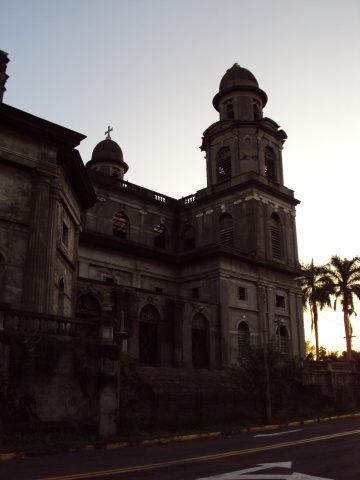
The area around the palace is worth exploring as well. Located in the heart of Managua, the building sits on a square that’s steeped in history. Nearby landmarks include the old cathedral, left in ruins after the 1972 earthquake as a stark reminder of the city’s vulnerability, as well as modern offices and cultural centers. Walking through this district offers a sense of how Managua has evolved—from a colonial-era city to a capital that bears the marks of its past while moving forward.
For visitors, the palace is more than just a museum. It’s a place to see Nicaragua through the eyes of its people. The building often hosts exhibitions by contemporary artists, concerts, and lectures on the country’s history and culture. On weekends, you might see families on tours, school groups learning about their heritage, or locals enjoying the shaded courtyards. Despite its official status, the atmosphere is surprisingly relaxed, making it a welcoming space for both reflection and casual exploration.
The National Palace of Culture isn’t just a repository of history—it’s a place where the past is still alive. It serves as a reminder that Nicaragua’s story is far from simple, and its influence lingers in the present. A visit here won’t answer every question about the country, but it will offer a deeper understanding of what drives its people. In that sense, the palace is one of the most compelling places in Managua, a quiet witness to the forces that have shaped Nicaragua and continue to do so today.