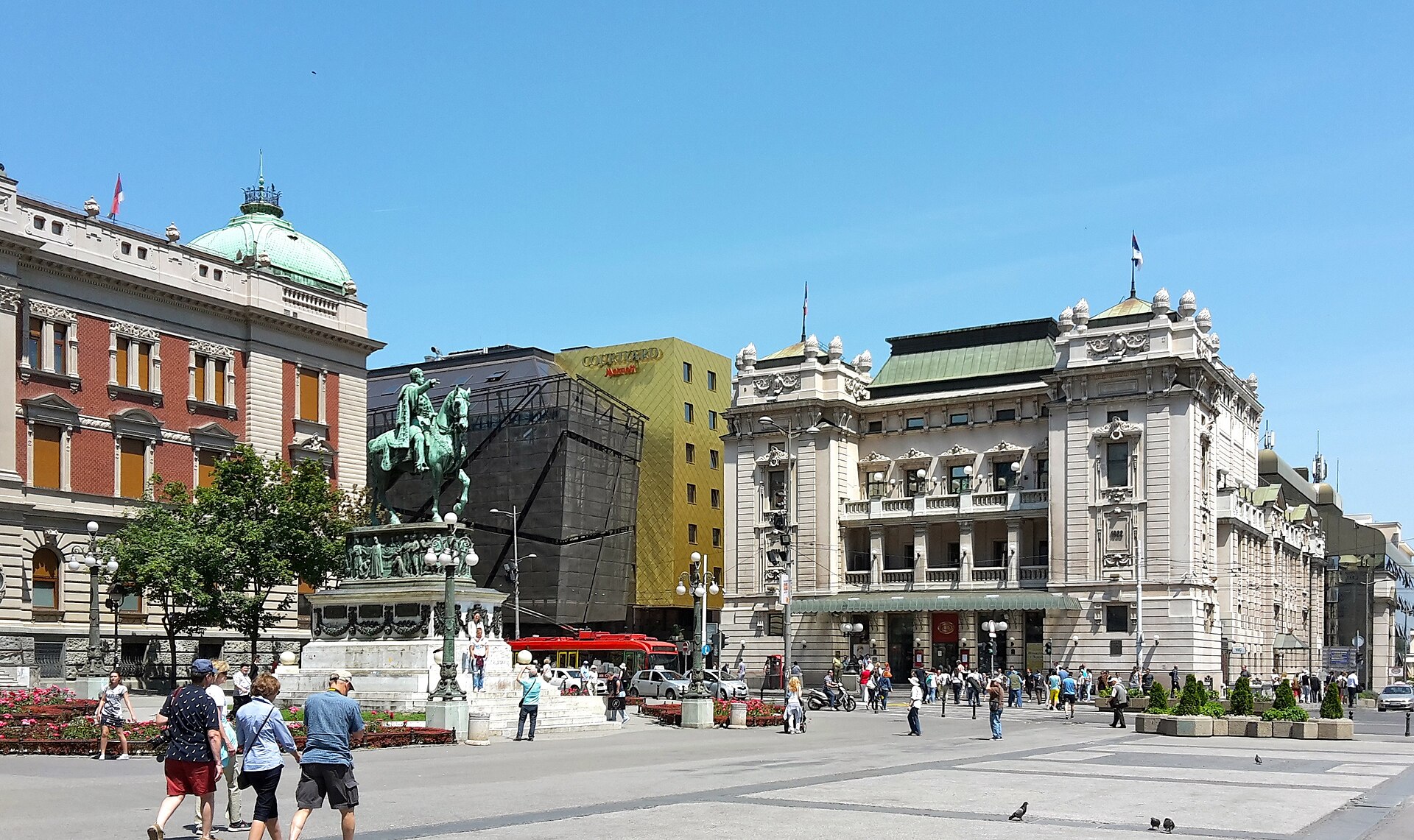
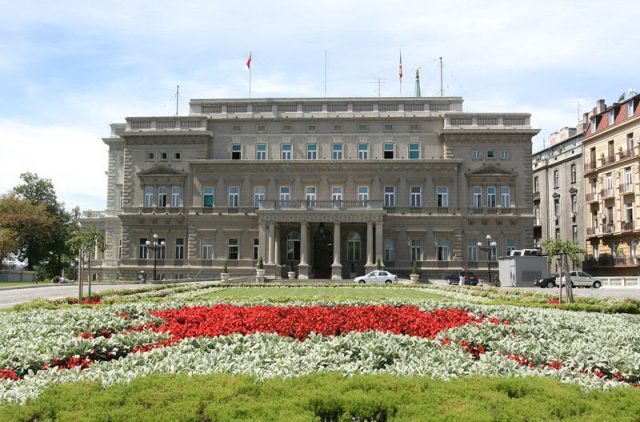
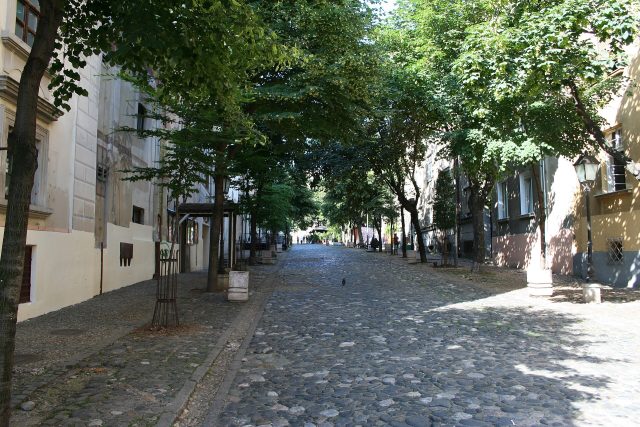
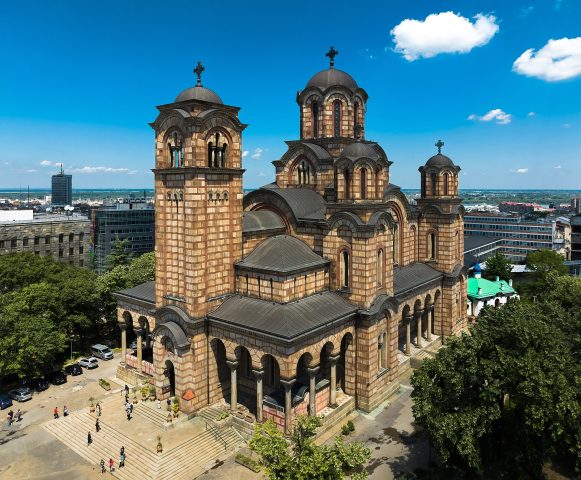
Republic Square in Belgrade’s Old Town is where the city reveals itself in all its layered complexity. This isn’t just another public space—it’s a place where history, architecture, and everyday life collide in a way that feels both grand and deeply human. The square pulses with energy, yet there’s a quiet dignity to it, as if the stones beneath your feet remember every step taken here over the past two centuries.
The square took shape in the mid-19th century, when Belgrade was shedding its Ottoman past and reinventing itself as a European capital. The National Theatre, with its neoclassical columns and sculpted figures, was one of the first buildings to rise here, becoming a symbol of Serbia’s cultural awakening. Across from it stands the National Museum, its halls filled with everything from medieval frescoes to modern art, a silent witness to the country’s artistic evolution. Together, these two institutions anchor the square, their facades telling stories of a nation that has constantly redefined itself.
But Republic Square isn’t frozen in time. It’s a living, breathing part of the city where people gather for all kinds of reasons. Students rush past on their way to lectures, tourists pause to take photos by the fountain, and locals linger over coffee at the outdoor cafés that spill onto the pavement. In the evenings, especially in summer, the square transforms into an open-air stage. Musicians play jazz or traditional Serbian tunes, and the crowd ebbs and flows around them. When winter comes, the square is draped in festive lights, and the air fills with the scent of roasted chestnuts and mulled wine.
The buildings around the square add to its character. The Krsmanović House, built in the early 20th century, is a fine example of Serbian Art Nouveau, its curved lines and decorative details hinting at the optimism of the era. Nearby, the Moskva Hotel has hosted writers, politicians, and travelers for over a century. Stepping inside feels like entering a time capsule, with its preserved interiors and the faint hum of conversations from decades past.
This square has seen it all—celebrations, protests, moments of triumph, and times of sorrow. It was here that crowds gathered during revolutions, where victories were celebrated, and where the city mourned its losses. The stones underfoot have absorbed the weight of history, making the square more than just an architectural ensemble. It’s a place where the past isn’t just remembered; it’s felt.
Today, Republic Square remains the heart of Belgrade. From here, you can wander into the pedestrian streets lined with shops and restaurants or head toward the Sava River, where the city’s modern skyline meets the water. If you climb to one of the nearby viewpoints, you’ll see a panorama of old and new—medieval fortress walls standing alongside glass-and-steel towers, a reminder of how Belgrade constantly reinvents itself.
What makes the square special, though, isn’t just its history or its architecture. It’s the way it balances energy and stillness. There’s no frantic pace here, no overwhelming chaos, but neither is there the quiet of a sleepy town. Instead, there’s a rhythm that feels distinctly Belgrade—a city where the past isn’t locked away in museums but walks beside you, where every corner has a story, and where life unfolds in real time.
You could spend hours here just watching the world go by. Sit on a bench, listen to the hum of conversation, the clink of coffee cups, the occasional burst of laughter. The square doesn’t demand your attention; it invites you to be part of it, to feel the pulse of the city and understand why Belgrade has always been a place where people come to find something—whether it’s history, inspiration, or simply a moment of connection.