Praça do Município in Beira is one of those places where the city’s layered history feels almost tangible. Unlike grand European squares designed for ceremony or colonial capitals built to impress, this space has grown organically, shaped by trade, conflict, and the slow rhythm of daily life. It sits at the heart of Beira’s downtown, a quiet counterpoint to the bustling port just a few blocks away, where the Pungwe River meets the Indian Ocean. The square itself is modest—more a widening of the street than a formal plaza—but its surroundings tell a story of Mozambique’s past and present.
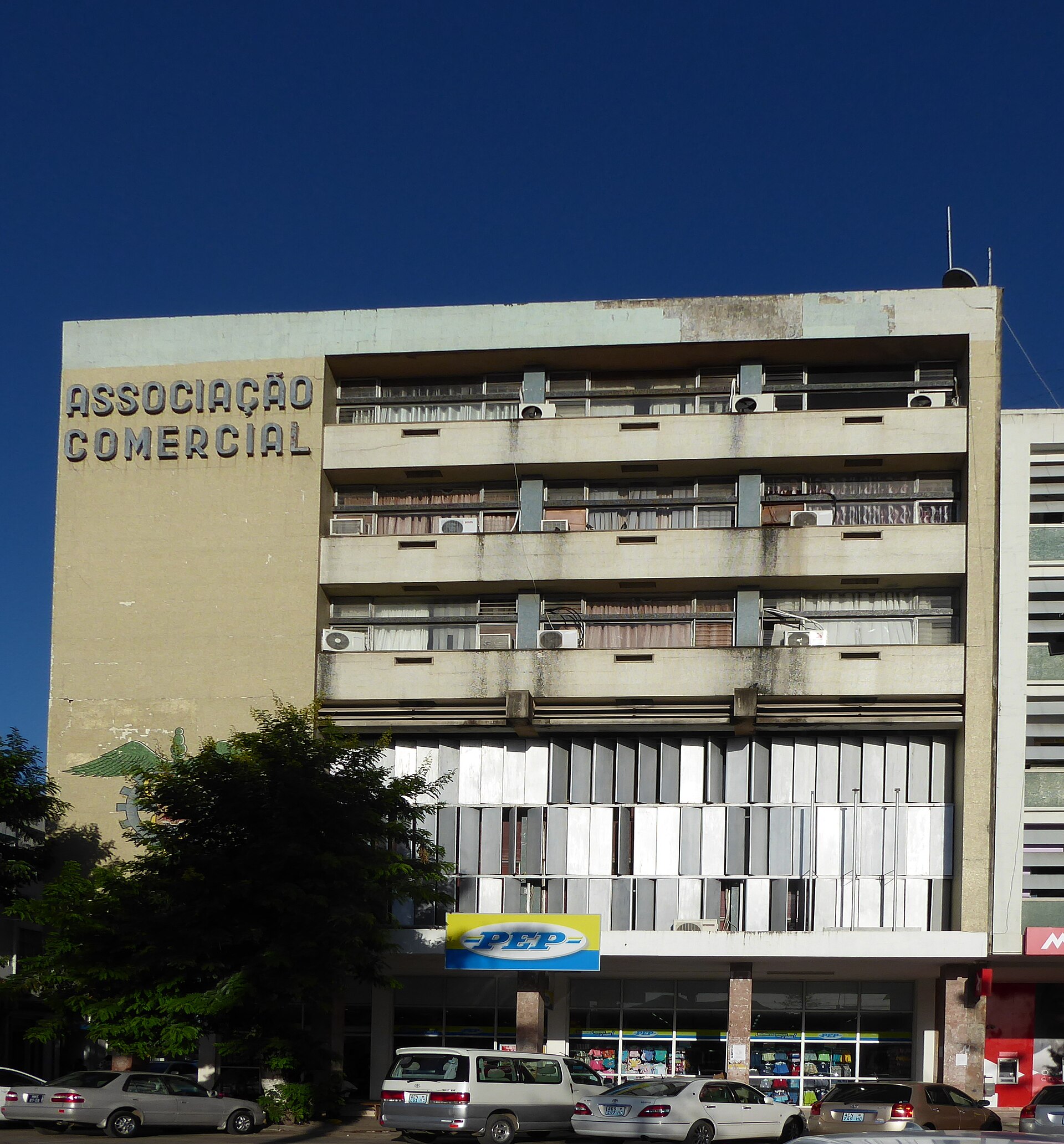
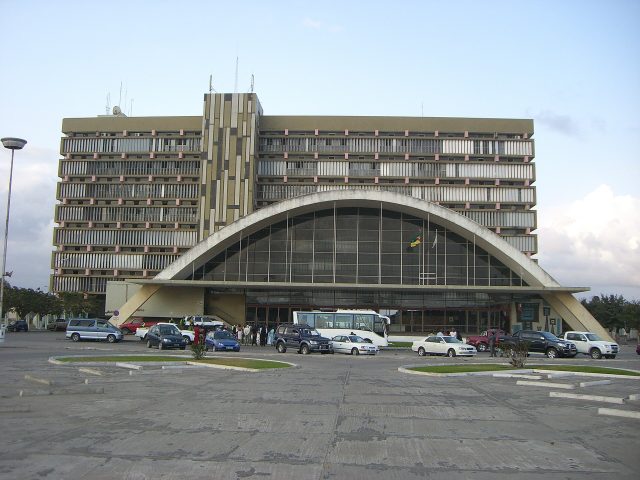
The architecture here is a mix of styles that reflect Beira’s complicated history. Portuguese colonial buildings, with their high ceilings and shuttered windows, stand alongside simpler structures from the post-independence era. Some facades bear the marks of time, their paint peeling in the humid coastal climate, while others have been restored, their pastel hues bright against the tropical light. The most striking building is the old municipal hall, a two-story structure with a balcony that once overlooked official ceremonies. Its design is unassuming, but it was here that many of the city’s administrative decisions were made during the colonial period, and later, as Beira found its footing after independence.
Beira was founded in the late 19th century as a port city, a gateway for goods moving between the interior of Africa and the wider world. The square became a natural gathering place, a spot where merchants, laborers, and officials crossed paths. In the early days, it was likely little more than a dusty clearing where ox carts unloaded goods and traders haggled over prices. Over time, as the city grew, so did the square’s importance. It wasn’t just a marketplace but a social hub, where news spread and deals were struck. Even today, you can sense that history in the way people move through the space—not in a hurry, but with the easy familiarity of a place that has always been part of their lives.
The square’s role has shifted over the decades. During the colonial era, it was a symbol of Portuguese authority, a place where official proclamations were read and where the city’s European elite gathered. After Mozambique gained independence in 1975, the square took on new meaning. It became a site for political rallies and public celebrations, a space where the ideals of the new nation were proclaimed. In the 1980s and 1990s, as the country grappled with civil war, the square was often quiet, its usual energy subdued by the broader turmoil. But even in those years, it remained a place where people came to trade, to meet, or simply to sit in the shade of the old trees that line its edges.
Today, Praça do Município is less about grand events and more about the small, everyday moments that define Beira. In the mornings, vendors set up stalls selling fresh fruit, fried snacks, and cold drinks. The scent of grilled corn and mandioca fills the air, mingling with the saltiness of the nearby ocean. By midday, the square is alive with activity—children darting between the stalls, men playing checkers on makeshift boards, and women chatting as they weave baskets or braid hair. There’s a sense of resilience here, a quiet determination that has seen the city through war, economic struggles, and natural disasters. The square has weathered cyclones and floods, its buildings damaged and repaired, its people always returning.
One of the most striking things about Praça do Município is how little it conforms to the idea of a "tourist attraction." There are no guided tours, no souvenir shops, no carefully curated displays of local culture. Instead, it’s a place where life unfolds in real time, unfiltered and unscripted. If you sit on one of the benches for long enough, you’ll see the rhythms of the city play out: the midday lull when the heat drives people indoors, the late afternoon surge as workers head home, the evening quiet when the square empties and the streetlights flicker on. It’s not a place that demands attention, but it rewards those who take the time to observe.
The square is also a reminder of Beira’s connection to the wider region. The city has long been a crossroads, a place where people from different backgrounds—African, European, Asian—have mixed and traded. That diversity is still visible in the faces of those who pass through Praça do Município, in the languages spoken, in the goods sold at the market stalls. It’s a place where the past and present coexist, where the legacy of colonialism lingers in the architecture but where the future is being shaped by the people who call Beira home.
For visitors, the square offers a glimpse into the soul of the city. It’s not the kind of place you come to for a quick photo or a checklist of sights. Instead, it’s a space to wander, to sit, to listen. The sounds of Beira—honking minibuses, the call of street vendors, the laughter of children—fill the air, creating a soundtrack that’s as much a part of the experience as the sights. If you’re lucky, you might strike up a conversation with a local, someone who can tell you about the square’s history or share a story about growing up in Beira. Those moments, more than any monument or museum, are what make Praça do Município special.
In the end, the square is what it has always been: a place of meeting, of exchange, of life. It’s not grand or imposing, but it’s real in a way that few places are. For those who take the time to look beyond the surface, it offers a deeper understanding of Beira—not just as a city on a map, but as a living, breathing community. And that, perhaps, is its greatest charm.