- Home
- Mozambique
- Beira

Beira
Mozambique · 6 places
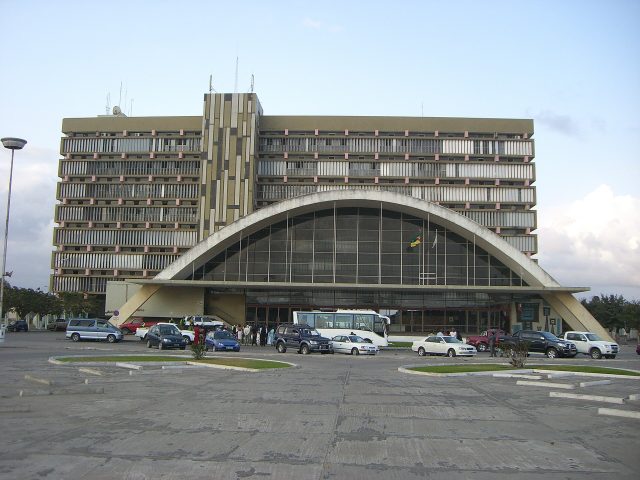
Photo: SSgt Robert Talenti, USAF, Public domain
Beira sits where the Pungwe River meets the Indian Ocean—mangroves fringe the shore, tides rewrite the coastline daily, and the city hums with the rhythm of a working port.
The layers beneath the surface
Portuguese colonizers built Beira in the late 1800s as an administrative hub. Their legacy lingers in palm-lined avenues and decaying mansions with iron balconies, their peeling paint revealing decades of salt air. The Catholic cathedral’s spires still pierce the skyline, but the city’s roots run deeper. Swahili traders arrived first, followed by Arab merchants and inland communities like the Makonde and Sena. Today, their descendants shape Beira’s streets—vendors, fishermen, and families whose histories intertwine here.
Where the city breathes
The central market hits you first with smell: woodsmoke, spices, fish drying in the sun. Stalls overflow with mangoes, cassava, and bolts of fabric printed with bold patterns. At dusk, the waterfront wakes up. Fishermen return in wooden dhows, their catches sizzling on grills within minutes. Children chase each other through the shallows while the sky burns orange and pink.
You’ll eat mashafu standing up—cornmeal and seafood, charred over open flames, served in newspaper. No one rushes you.
No performances, just life
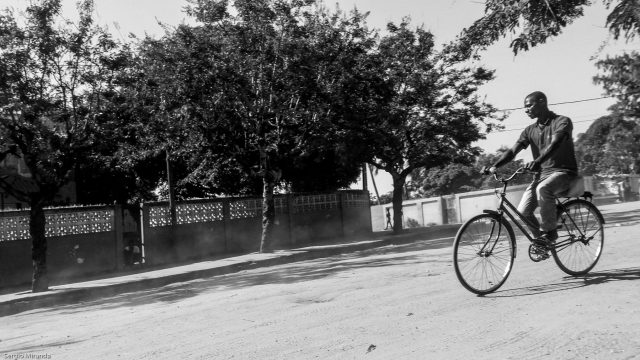
Beira doesn’t polish itself for tourists. Cyclones have torn through here, wars have left scars, and the economy lurches forward unevenly. But the city persists, unapologetically itself. Locals will tell you where to find the best prawns or how to dance to marimba music—if you ask. Some nights, the streets erupt in spontaneous celebration, drums echoing until dawn.
This isn’t a place to observe from a distance.
Beyond the city limits
Gorongosa National Park lies a drive north. Once ravaged by conflict, it’s now home to elephants, lions, and hundreds of bird species. To the south, black volcanic sand beaches draw surfers, while fishing villages cling to the coast, their routines dictated by the tide.
Beira doesn’t demand your attention. It simply offers a different Mozambique—one where the ocean, the river, and the people set the pace.
See & Do
All of them

Places on the map
Marker colour follows the categoryClimate and weather
Detailed weather: Beira- Average temperature
- 25 °C
- Precipitation per year
- 1572 mm
Average air temperature
°C
28
28
27
26
23
22
21
22
24
25
27
28
Jan
Feb
Mar
Apr
May
Jun
Jul
Aug
Sep
Oct
Nov
Dec


