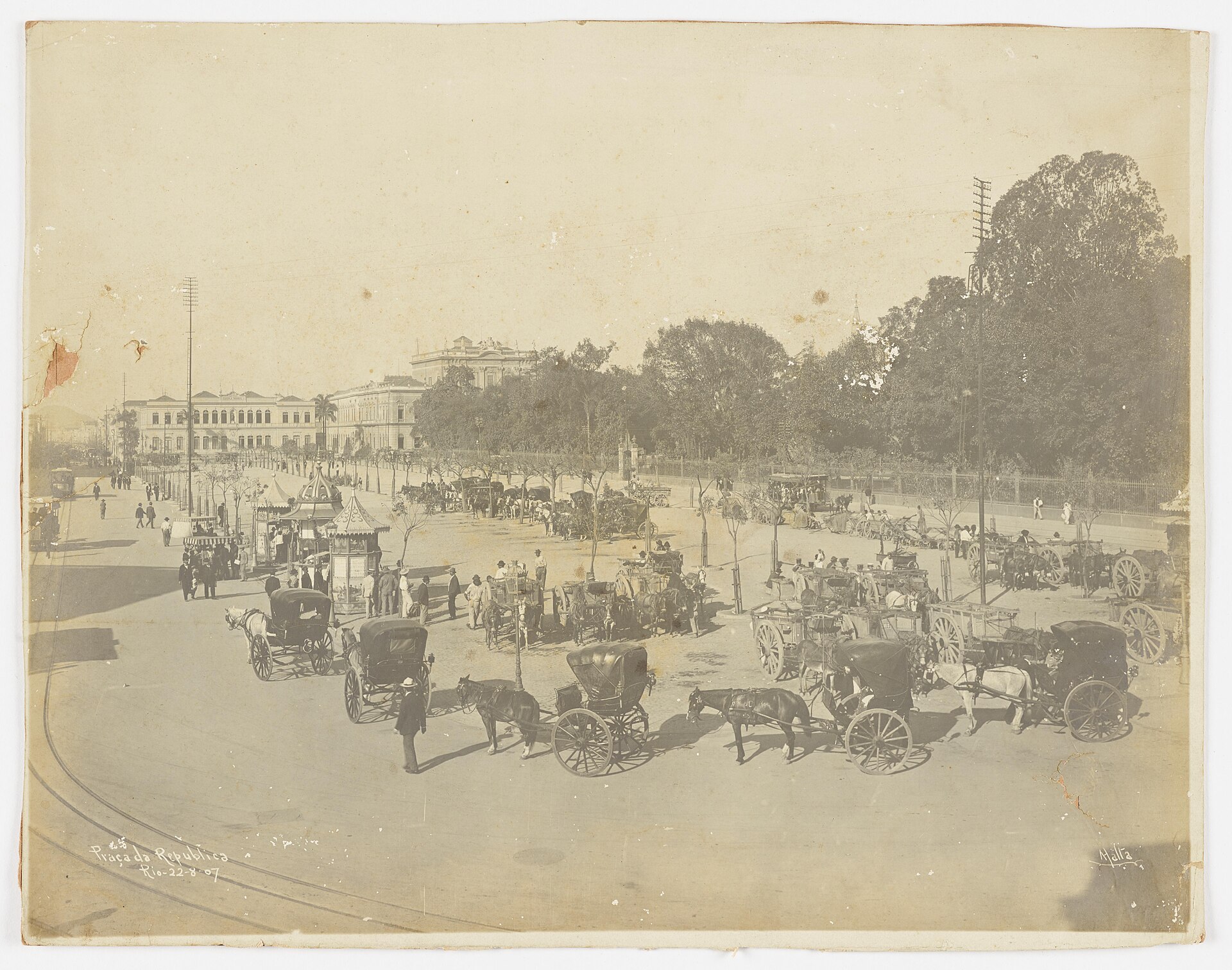
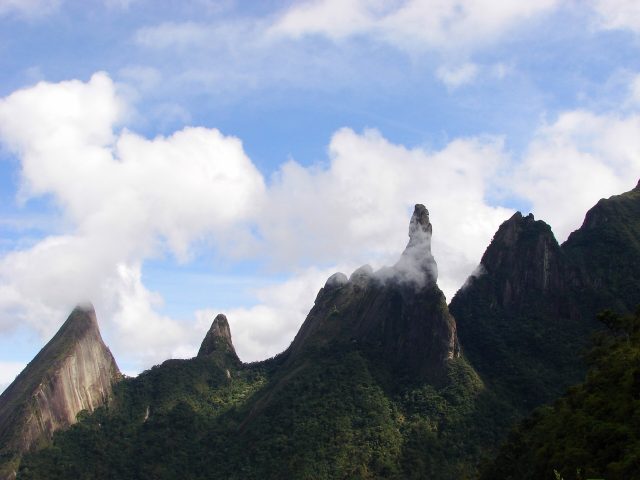
Teresópolis is a city where the past and present coexist quietly, and nowhere is this more evident than at Praça Cristiano Otoni. Tucked in the heart of the city, where the busiest streets intersect, the square is a natural gathering point for locals and a familiar landmark for first-time visitors. It’s a place where life unfolds in small, everyday moments—people hurrying to work, couples strolling hand in hand, or someone simply sitting on a bench, watching the world go by. There’s no grand spectacle here, just the steady rhythm of a city that moves at its own pace.
The square takes its name from Cristiano Benedito Otoni, a 19th-century Brazilian engineer and politician whose influence helped shape the region during a time of transformation. Teresópolis was still finding its identity then, evolving from a modest settlement into a more significant town, and Otoni was among those who guided its early development. The square itself came later, but its character was shaped by the same spirit of progress that defined that era. Today, it stands as a quiet tribute to the people who built the city, even if their names are no longer on everyone’s lips.
The architecture around the square tells its own story, a mix of styles that reflect different periods of the city’s growth. Some buildings feature the ornate details of classical design—tall windows, intricate moldings, and grand facades—while others lean toward modern simplicity, with glass and steel dominating their lines. The contrast isn’t jarring; instead, it feels like a natural evolution, as if each generation left its mark without erasing what came before. In the evening, when the streetlights cast long shadows across the old walls, the effect is especially striking, as if the past lingers just beneath the surface.
Though small, Praça Cristiano Otoni is the kind of place that feels larger than its size. Mornings bring a steady stream of locals—office workers grabbing coffee, shoppers browsing the nearby stores, or retirees taking their daily walk. By midday, tourists begin to appear, snapping photos of the monuments or resting under the shade of the trees. On weekends, the square transforms into a lively hub, with small markets selling fresh produce, handmade crafts, and local snacks. Sometimes, a musician sets up near the benches, filling the air with the sounds of samba or bossa nova, and for a little while, the square becomes a stage for impromptu performances.
At the center of it all stands the monument to Cristiano Otoni, a dignified statue that serves as both a focal point and a reminder of the city’s roots. The figure of the engineer, poised on a pedestal, is surrounded by flowerbeds that change with the seasons—vibrant in the summer, more subdued in the winter. It’s a simple but effective tribute, one that doesn’t demand attention but earns it naturally. For many visitors, the monument is the first thing they notice, a quiet anchor in the middle of the square’s gentle chaos.
Beyond its role as a meeting place, Praça Cristiano Otoni is also a practical starting point for exploring Teresópolis. From here, it’s easy to reach the city’s museums, cafes, and shops, or to pick up a map and plan the next stop on a walking tour. The square’s central location makes it a natural place to pause and get your bearings, and the information boards often display flyers for upcoming events—concerts, art exhibitions, or local festivals. It’s the kind of place where you might linger longer than intended, drawn in by the unhurried pace of life.
What’s surprising about the square is how peaceful it feels, despite being in the middle of the city. The trees that line its edges create a buffer from the noise and movement of the streets, offering shade on hot days and a cool respite in the evenings. Locals often bring their children to play on the small playground nearby, and it’s not uncommon to see families picnicking on the grass or groups of friends chatting on the benches. There’s no rush here, no pressure to move on to the next attraction—just the quiet pleasure of being in a place where time seems to slow down.
Teresópolis isn’t a city that tries to impress with grandeur. Instead, it has a warmth and authenticity that reveal themselves in small details, and Praça Cristiano Otoni is one of those places where that character shines through. There’s nothing flashy about it, no towering monuments or tourist traps—just a square that has grown alongside the city, absorbing its history and reflecting its daily life. For anyone who wants to understand Teresópolis beyond the guidebooks, this is where to begin. It’s not just a stop on a map; it’s a place where the city’s past and present come together, unhurried and unpretentious, just as they should.