The Serra dos Órgãos mountain range holds a place where Brazil’s wild beauty unfolds without filters. No crowded trails or tourist traps—just nature stretching across the landscape. The only sounds are the rustle of leaves and the calls of birds. For those seeking solitude or a connection with the natural world, the park offers refuge. Mountains rise like ancient sentinels, and the forests breathe with life.
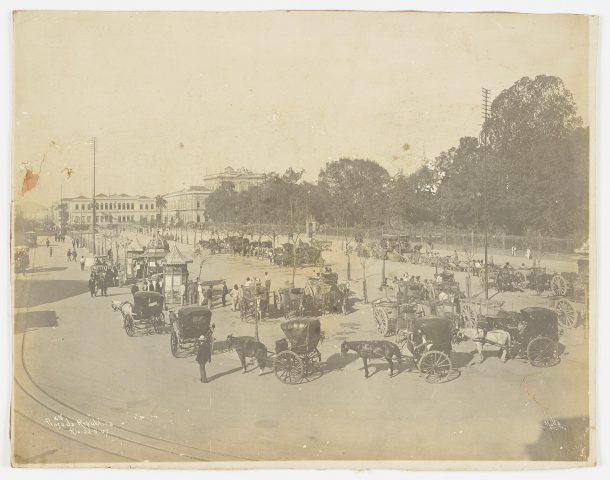
The park’s story ties to Teresópolis’s history. In the 19th century, Rio de Janeiro’s elite came here to escape the city’s heat. They built summer homes for the cooler air and pristine landscapes. The area became a haven for those fleeing urban life. The park stayed untouched until the mid-20th century when conservation efforts began. Today, it’s part of a larger protected area but keeps the character that first drew visitors over a century ago.
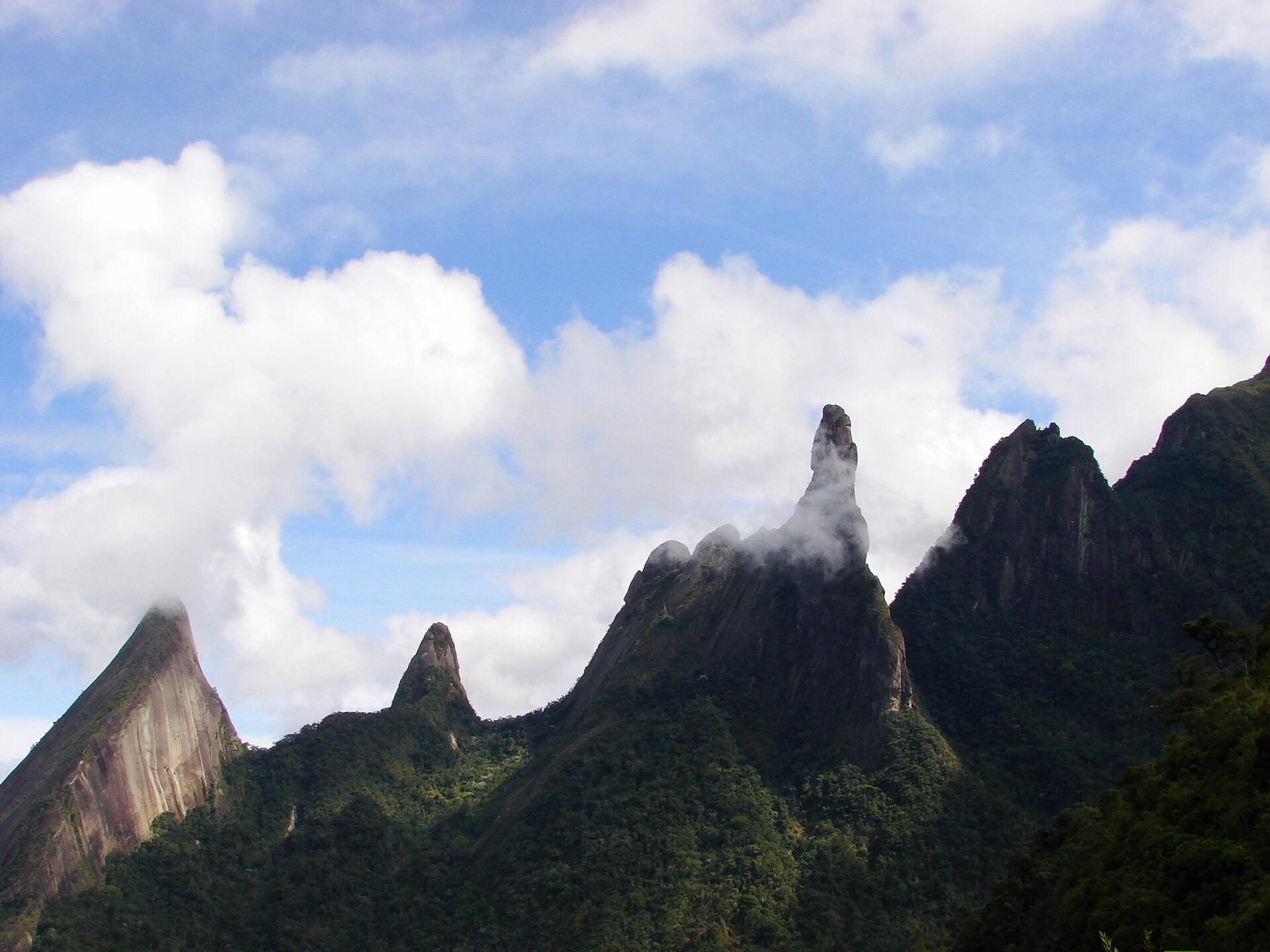
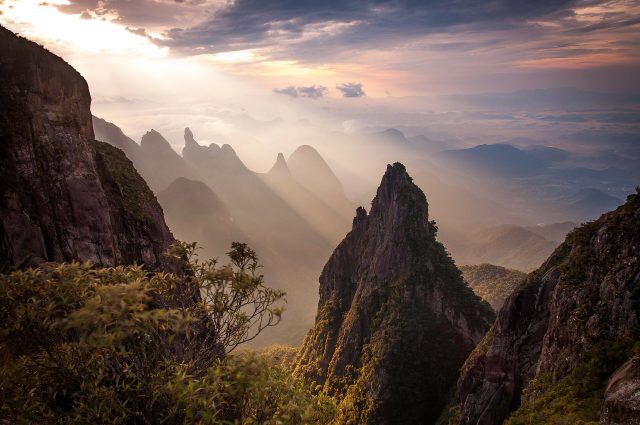
The park’s defining feature is its natural formations. The jagged peaks of the Serra dos Órgãos—named for their resemblance to organ pipes—dominate the skyline. Pedra do Sino, or Bell Rock, stands at 2,263 meters. Its sheer cliffs draw hikers and climbers. The Atlantic Forest thrives with towering trees, tangled vines, and delicate epiphytes. Waterfalls hide in the valleys, and wildflowers bloom in open clearings.
The park plays a key role in the region’s ecology. Rivers originate here, supplying water to Teresópolis and neighboring towns. The forests act as natural air purifiers and climate regulators. As part of a UNESCO Biosphere Reserve, its significance extends beyond Brazil. Rare species like the jabiru stork and red-breasted parrot live here. Ocelots and tapirs also roam these forests. For scientists, it’s a living laboratory; for locals, a source of pride.
Visiting Montanhas de Teresópolis is an immersion. Trails wind through the landscape, leading to hidden viewpoints and waterfalls. One popular route takes you to Véu da Noiva, where water plunges from a great height. On clear days, the summits offer sweeping views of the valley. Sunsets paint the sky in fiery hues. The park lets you feel nature, not just see it.
The atmosphere changes with the seasons. Summer, from December to March, brings lush greenery and swollen waterfalls. Trails can be slippery, and the air humid. Winter, from June to August, is cooler and quieter. Morning mists cling to the mountains, giving the landscape a mystical quality. Fewer visitors come then, but those who do find solitude.
This isn’t a place for casual tourists. No cafes, souvenir shops, or rental stands exist here. Hikers must bring water, food, a map, and sturdy shoes. Local guides offer tours, but most visitors explore on their own. The only rule: leave no trace. The park doesn’t belong to humans, and that’s clear the moment you step onto its soil.
Teresópolis is more than a gateway to the park. The town keeps the charm of old Brazil. Cafes serve strong coffee and fresh pastries. After a day in the mountains, you can wander the central square. Live music often fills the air on weekends. The local museum tells the region’s history. The town moves at its own rhythm. The park is its heart—a place to step away from modern life and remember what it means to be in nature.
Interest in Montanhas de Teresópolis has grown, but it remains quiet. Unlike Brazil’s more famous parks, it hasn’t been overrun by tourism. For many, it’s not just another stop but a discovery. A piece of wilderness that escaped mass tourism. Maybe that’s why it leaves a lasting impression. Once you’ve walked its trails and breathed its air, the park stays with you.