Teresópolis is a town that carries its past quietly, and the Museum of History and Art is where that past feels most alive. Housed in a century-old mansion, the building itself is part of the story. Built in the early 1900s, when Teresópolis was just beginning to transform from a mountain settlement into a retreat for those escaping the heat of Rio de Janeiro, its architecture is unassuming yet full of character. High ceilings, wooden beams, and large windows let in the soft, diffused light of the surrounding mountains. Even on warm days, the interior stays cool, and the creak of the wooden floors underfoot seems to echo with the footsteps of those who walked here long ago.
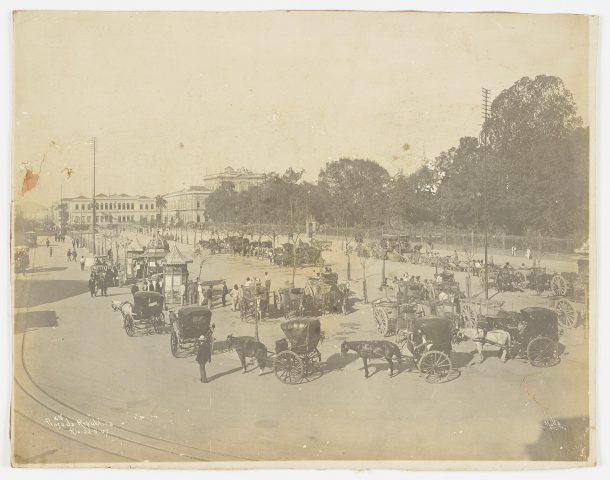
The museum’s collection is small but carefully curated, focusing not on grand names or famous masterpieces, but on the everyday life of the town. Old photographs line the walls, capturing streets that have since changed, people dressed in the fashions of past decades, and moments both ordinary and festive. Some of the most striking images date back to the early 20th century, when Teresópolis was becoming a popular escape for Rio’s elite. The photos show the first hotels, wooden villas nestled among pine and eucalyptus trees—scenes that have long since vanished but live on in these fragile prints.
Beyond the photographs, the museum displays objects that feel more like personal belongings than historical artifacts. Furniture, dishes, clothing, and tools are arranged as if they might still be in use. A carved wooden cabinet, wrought-iron candlesticks, embroidered tablecloths—these items don’t just represent the past; they make it feel tangible, as if time here has paused rather than passed. The art collection, mostly landscapes by local painters, reinforces this sense of place. The mountains, waterfalls, and forests surrounding Teresópolis are rendered in different styles, but all share an unmistakable affection for the land.
What makes the museum special is its intimacy. It doesn’t aim to be comprehensive or scholarly; instead, it feels like a family album for the town, where each item carries a story. There are no rigid labels with dates and names, but the staff often share personal anecdotes about the exhibits. They might point out an old newspaper ad for land sales or a handwritten letter describing life in Teresópolis a century ago. These small details turn a visit into more than just a tour—it becomes a conversation with history.
Teresópolis itself is a modest town, but its story is woven into the broader history of the region. Originally a retreat for wealthy families from Rio, it grew as people sought out its cool mountain air and scenic beauty. The museum traces this evolution, showing how a small settlement became a town while retaining its quiet charm. There’s no rush here, no urban hustle, and the museum reflects that unhurried pace.
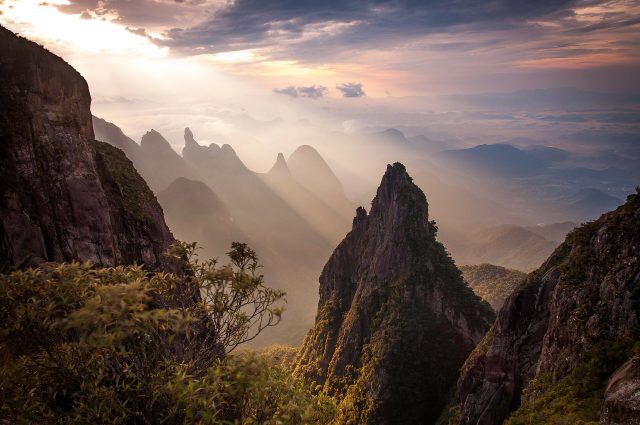
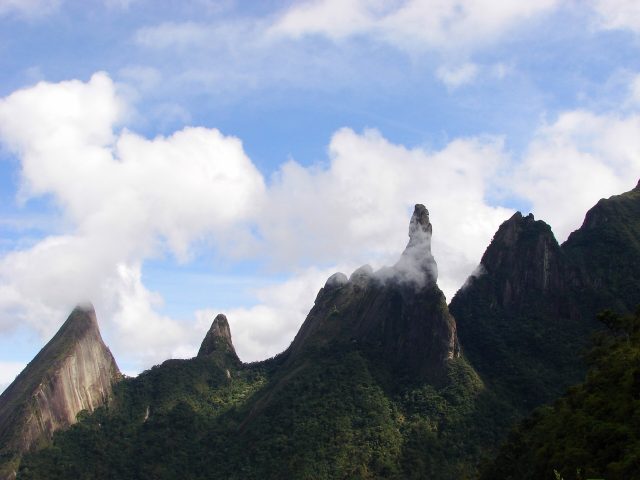
A section of the museum is dedicated to the natural world, particularly the Serra dos Órgãos National Park that surrounds the town. Locals have always lived in harmony with this landscape, and the exhibits include pressed plants, photographs of rare flora, and taxidermied animals native to the mountains. There’s also a nod to the indigenous peoples who once inhabited these lands, their presence a quiet reminder of the deep history beneath the town’s more recent past.
A visit to the museum doesn’t take long, but it lingers in the mind. This isn’t a place for flashy attractions or entertainment; it’s for those who want to understand how the town once lived, who walked its streets, and what shaped its character. The rooms are quiet, the light gentle, and outside, the wind rustles through the trees. The Museum of History and Art isn’t just a collection of objects—it’s a living memory of Teresópolis, kept alive by those who care enough to preserve it.