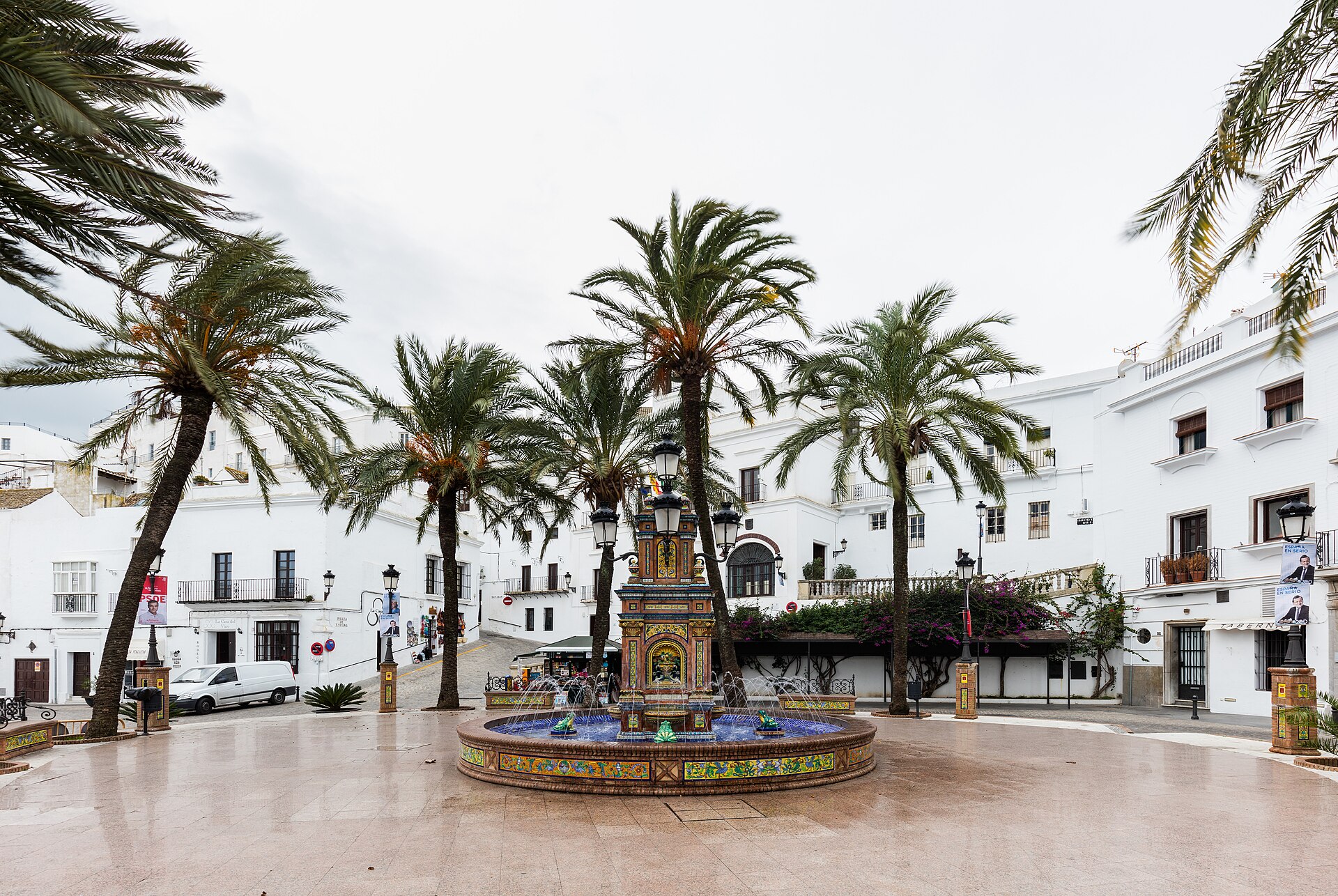
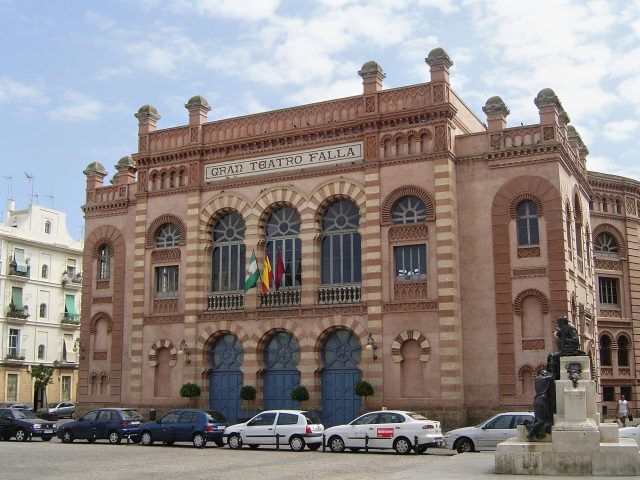
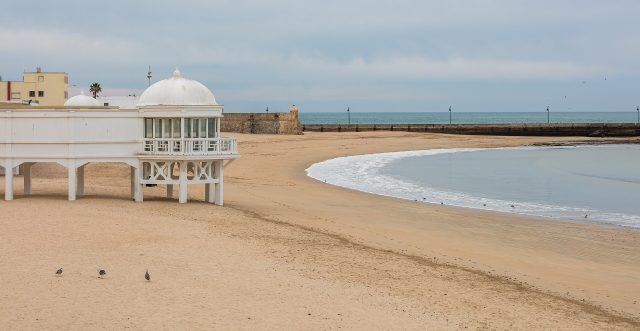
Plaza de España in Cádiz is where the city unfolds at its own pace. Tucked in the old town, it appears when narrow streets open into a sunlit space framed by Andalusian buildings. There’s no rush here—just the rhythm of a port city that moves to its own beat. Cádiz doesn’t hurry, even in its center, where time stretches in ways that feel deliberate.
The square’s history ties to Cádiz’s rise as one of Spain’s key ports. In the 16th and 17th centuries, when trade with the New World flourished, this was the city’s commercial and social hub. Once called Plaza de San Antonio after the nearby church, it was where merchants, sailors, and locals gathered. Over time, it hosted public events, festivals, and bullfights. Today, the old lampposts, weathered facades, and cobblestones carry the weight of centuries without feeling like a relic.
The buildings around the square date mostly to the 18th and 19th centuries, after earthquakes and fires reshaped Cádiz. Their style is Andalusian: wrought-iron balconies, tall windows with wooden shutters in soft pastels, and facades that seem to breathe in the salty air. The former town hall, now municipal offices, stands out with its neoclassical columns and civic crest. Yet the ensemble feels balanced—each building fits into the larger picture.
At the center stands a monument to the 1812 Constitution, La Pepa, drafted in Cádiz. It was progressive for its time, establishing national sovereignty, equality before the law, and freedom of speech. The monument isn’t just a statue; it’s a reminder that this city was once the cradle of modern Spain. On warm evenings, locals and visitors gather around it. Musicians play, children run across the grass, and elderly men debate politics or the weather. Here, history isn’t preserved—it’s lived.
In June, the square becomes a stage for Cádiz’s Carnival. Unlike Rio or Venice, Cádiz’s Carnival thrives on wit and satire. Performers compete with sharp humor and clever lyrics, mocking everything from local politics to global events. Even outside Carnival season, its spirit lingers in graffiti, street performances, and strangers striking up conversations.
Winter brings a quieter charm. In December, lights hang overhead, and the air smells of roasted chestnuts and hot chocolate. Cafés set out tables on the pavement, and afternoons pass easily with a coffee, watching the light shift across the buildings. Cádiz’s famous light—soft, golden, merging sea and sky—is especially vivid here. The sun stretches shadows in the late afternoon, and the breeze carries salt from the ocean.
What makes Plaza de España special is how everything comes together—the architecture, the people, the overlap of past and present. Cádiz shows its character here: open, welcoming, a little rebellious. Locals and visitors blend into the scene. You might come for a morning coffee or stay until evening, when streetlamps flicker and the city slows down.
If you’re in Cádiz, don’t just walk through. Sit on a bench, listen to the voices, watch people going about their day. Maybe then you’ll see why Cádiz is called Europe’s oldest city. It doesn’t just preserve history—it lives it. Plaza de España is where that connection feels strongest.