The Archaeological Museum of Cádiz is one of those rare places where history doesn’t just sit behind glass—it lingers in the air, as if the past itself has settled into the very bones of the building. The city, founded by the Phoenicians nearly three thousand years ago, has always been a living museum, its streets layered with the traces of civilizations that came and went. This museum is where those layers are carefully preserved, offering a journey through time that begins with the earliest settlers and stretches to the height of the Roman Empire, the Moorish rule, and the golden age of Spanish exploration. Walking through its galleries feels less like observing relics and more like stepping into the footsteps of those who shaped the city.
The museum occupies a historic mansion from the 18th century, a structure that tells its own story. Built in the Andalusian style, it features a central courtyard surrounded by arched walkways, heavy wooden beams overhead, and walls that have witnessed centuries of commerce and daily life. The architecture isn’t just a backdrop for the exhibits; it’s part of the narrative. The building itself was once the home of a wealthy merchant, and that sense of lived-in history remains. The worn stone floors, the intricate tilework, and the high ceilings all hint at a time when Cádiz was a bustling port city, where luxury and labor existed side by side. Even the way the light filters through the courtyard feels deliberate, as if the past is still present in the quiet corners of the rooms.
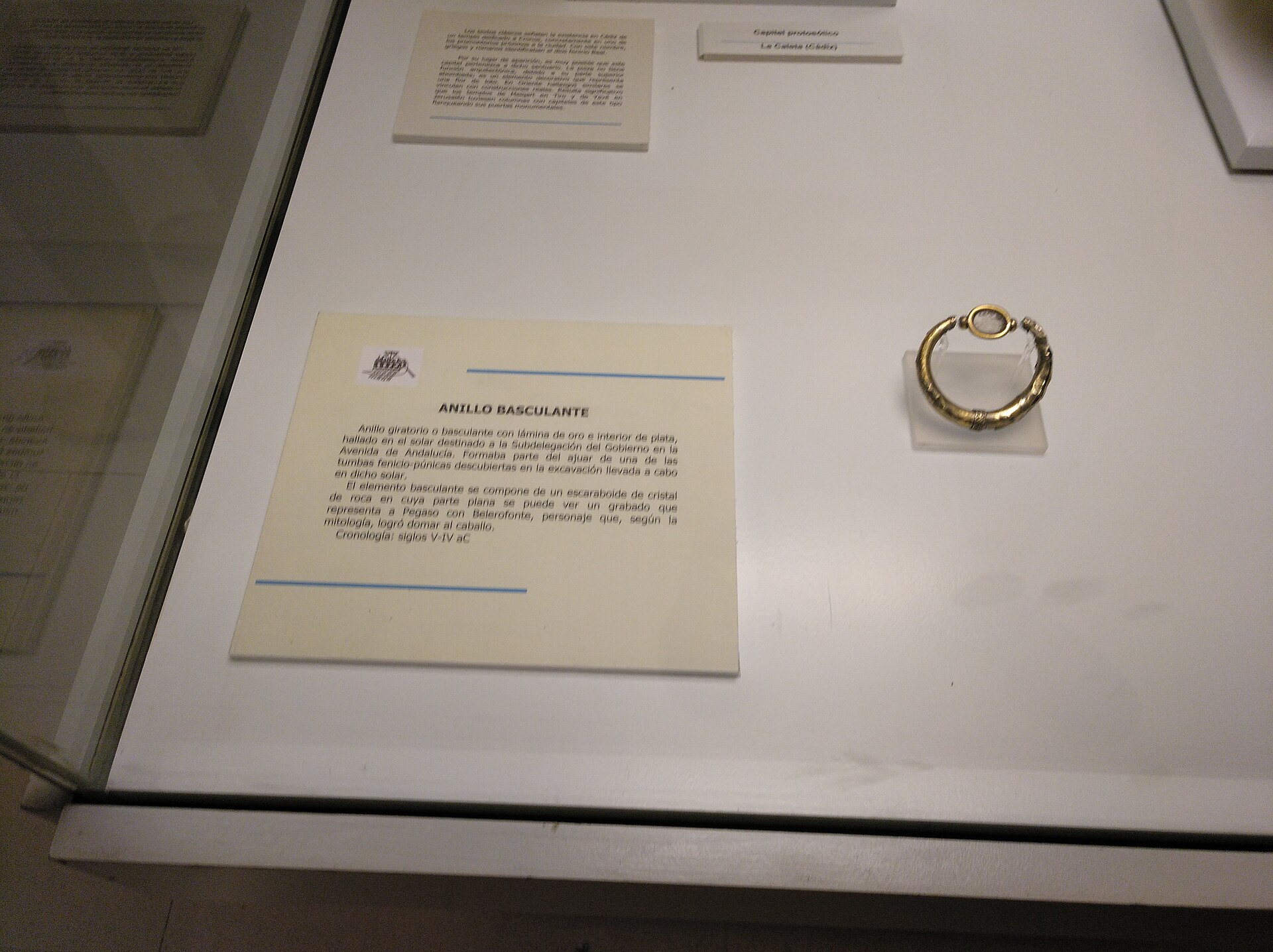
Among the most striking exhibits are those from the Phoenician era, when Cádiz—known to the ancient Greeks as Gadir—was one of the first major cities in Western Europe. The Phoenicians established it as a vital trading hub, and the artifacts here reflect that legacy. There are finely carved sarcophagi, their surfaces adorned with intricate reliefs that showcase the skill of ancient craftsmen. Everyday objects like pottery, coins, and tools offer glimpses into the lives of people who walked these streets long before the Common Era. The so-called "anthropomorphic sarcophagus," a stone coffin with a carved human face, is one of the museum’s most iconic pieces. Discovered in a local necropolis, it serves as a reminder of how closely intertwined different cultures were in this part of the world, even in death.
The Roman period is equally well-represented. Under Roman rule, Cádiz—then called Gades—flourished as a key city in the province of Baetica, famous for its wine and olive oil. The museum’s collection includes mosaics, statues, tombstones, and religious artifacts unearthed from nearby excavations. The bronze and marble sculptures are particularly impressive, with one standout being a statue of Emperor Trajan, who was born in this region. These pieces aren’t just historical artifacts; they’re part of a living history that still echoes in modern Cádiz. The city’s Roman theater and baths, remnants of that era, can still be seen today, making the museum’s exhibits feel like a natural extension of the streets outside.
The medieval period is less prominently displayed but no less fascinating. After the fall of Rome, Cádiz endured invasions by Vandals, Visigoths, and later the Moors. The museum’s collection from this time includes ceramics, weapons, and jewelry, along with fragments of Moorish architecture. There are also artifacts from the Reconquista, when the city was reclaimed by Christian Spain, and items that highlight Cádiz’s role in the Age of Exploration. As one of the primary ports for ships bound for the New World, the city was a gateway to the Americas, and the museum preserves that legacy through maps, navigational tools, and other relics from the era.
One of the most unique aspects of the museum is its collection of underwater archaeology. Cádiz has always been a city of sailors, and its waters hold countless shipwrecks. The exhibits here include amphorae, anchors, cannons, and even fragments of sunken vessels. These pieces don’t just showcase the skill of ancient mariners; they also tell stories of the tragedies that often accompanied sea voyages. The collection of artifacts from Spanish galleons, which once carried gold and silver from the Americas, is particularly moving. Each piece feels like a silent witness to the dangers and triumphs of life at sea.
The museum’s modern layout is designed to do more than just display artifacts—it aims to bring history to life. Instead of dry facts and dates, the exhibits focus on the people who lived through these eras, their customs, beliefs, and daily routines. Some rooms recreate scenes from the past, like a craftsman’s workshop or a port warehouse filled with goods ready for shipment. These details help visitors imagine what life was like in old Cádiz, where every stone seemed to hold a memory. The museum doesn’t just show history; it makes you feel it, as if the past is still unfolding in the quiet hum of the galleries.
Visiting the Archaeological Museum of Cádiz is more than just a chance to see ancient objects—it’s an opportunity to reflect on how deeply the city’s identity is tied to its past. Cádiz has always been a crossroads of cultures: Phoenicians, Romans, Moors, and Christians all left their mark here, and the museum helps piece together how those influences shaped the city’s unique character. As you walk through its halls, it becomes clear why Cádiz still feels like a place where history is alive. The past isn’t something distant or forgotten; it’s woven into the fabric of the city, as present as the salt in the air or the sound of waves against the shore.