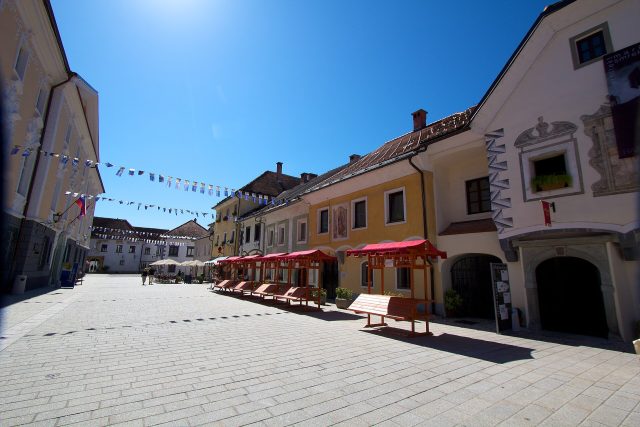
Radovljica’s main square, known simply as Grajski trg or Castle Square, is one of those places where time seems to settle into a slower, more deliberate rhythm. It sits at the heart of the old town, framed by low-slung buildings with pastel facades and red-tiled roofs that curve gently under the weight of centuries. The square isn’t grand in the way some European plazas are—no vast cobblestone expanses or towering monuments—but that only makes it feel more intimate, as if it were designed for quiet conversations over coffee rather than grand public spectacles.
The square takes its name from the castle that looms over it, perched on a slight rise at the northern edge. Radovljica Castle isn’t the kind of fortress that dominates the skyline with sheer size; instead, it’s a sturdy, unassuming structure that has watched over the town since the 13th century. Its origins are medieval, though much of what stands today dates to later renovations, particularly from the 16th century when the castle was expanded into a more comfortable noble residence. The building’s most striking feature is its arcaded courtyard, a rare example of Renaissance architecture in this part of Slovenia, where the arches and columns create a sense of lightness despite the stone’s solidity. Inside, the castle now houses a museum, but even from the square, its presence is felt—a silent guardian of the town’s history.
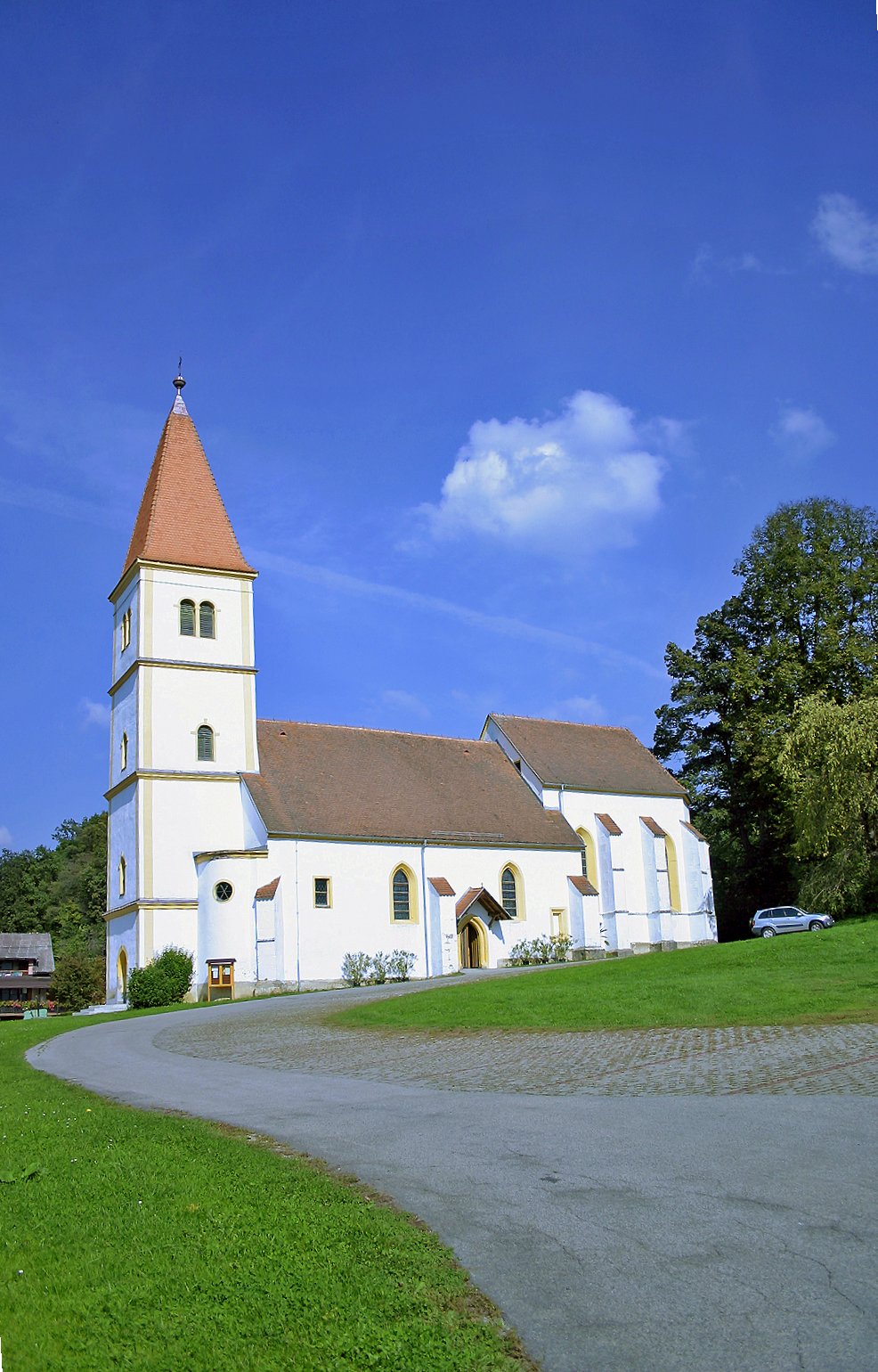
The square itself is a patchwork of small details that reveal Radovljica’s layered past. The buildings lining it are mostly Baroque, their facades adorned with frescoes and decorative stucco that hint at the prosperity of the 18th century, when the town was an important trading post. One of the most notable is the Thurn Manor, a pale yellow building with a balcony supported by stone corbels. It was once the home of a noble family, and though its interiors are now private, the exterior still carries the elegance of its former inhabitants. Nearby, the parish church of St. Peter stands slightly set back from the square, its bell tower rising above the rooftops. The church is older than most of the surrounding buildings, with foundations dating back to the 12th century, though its current appearance is largely the result of 18th-century renovations. The square’s cobblestones, worn smooth by generations of footsteps, lead the eye toward these landmarks without demanding attention, as if the town itself is content to let visitors discover its charms at their own pace.
What makes Grajski trg special isn’t just its architecture, but the way it functions as a living part of the town. Unlike some historic squares that have become little more than open-air museums, this one remains a place where locals gather. In the mornings, the scent of fresh bread drifts from the bakery on the corner, and the tables outside the cafés fill with people lingering over espresso. In the evenings, the square empties slightly, but the glow from the streetlamps casts long shadows across the cobblestones, and the occasional sound of laughter or clinking glasses spills from the restaurants tucked into the ground floors of the old buildings. There’s no grand fountain or statue at the center—just a few benches, a small tree, and the quiet hum of everyday life.
The square also serves as a gateway to Radovljica’s other attractions. From here, narrow alleys branch off like veins, leading to hidden courtyards, artisan workshops, and the town’s famous beekeeping museum. The castle’s gardens, though not part of the square itself, are just a short walk away, offering a peaceful retreat with views over the Sava River and the Julian Alps in the distance. The square’s position at the top of a gentle slope means that even a casual stroll through it can feel like a journey—each step revealing a slightly different perspective on the town.
Radovljica’s history is one of resilience. The town has weathered fires, invasions, and economic shifts, yet it has never lost its character. The square, in many ways, embodies that endurance. It has been a marketplace, a meeting place, and a stage for public life for centuries, adapting to each era without losing its essence. During the summer, it hosts small concerts and festivals, where the music of local bands or the chatter of a farmers' market fills the air. In winter, the square is quieter, but the Christmas market transforms it into a scene from a postcard, with stalls selling honey, handmade crafts, and mulled wine. Even in the off-season, there’s a sense of continuity here, as if the square is simply waiting for the next chapter to begin.
For visitors, Grajski trg offers more than just a pretty backdrop. It’s a place to pause and absorb the rhythm of a town that has chosen to preserve its past without becoming a relic. The square doesn’t shout its history; it whispers it through the cracks in the cobblestones, the weathered faces of the buildings, and the way the light falls at different times of day. There’s no need to rush. Sit at one of the café tables, order a slice of *potica*—the traditional Slovenian nut roll—and watch as the square slowly reveals itself. The castle, the church, the old manor houses—they’ve all seen countless days like this one, and they’ll see countless more. That sense of timelessness is what lingers long after you’ve left.