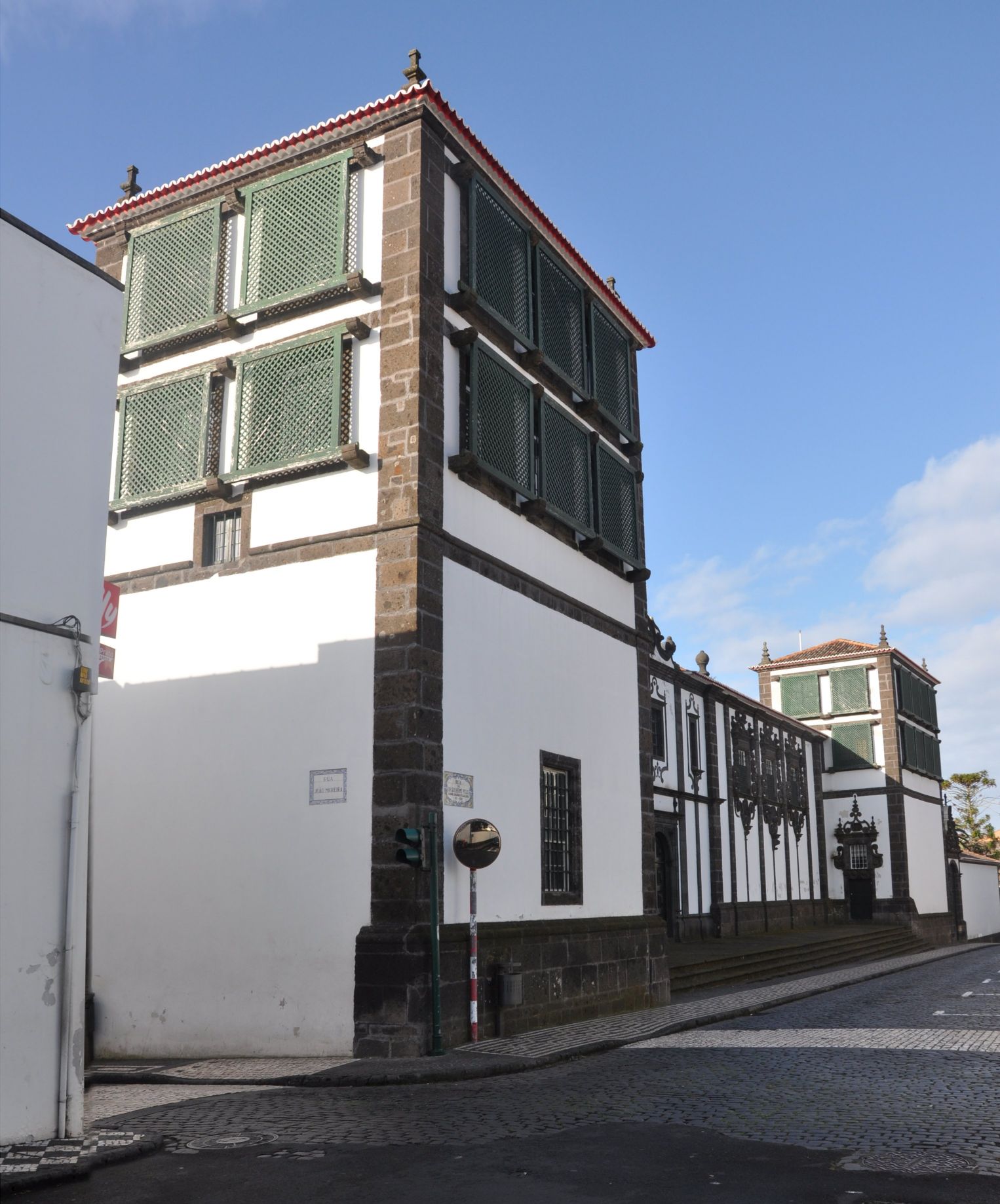
The Carlos Machado Museum in Ponta Delgada is one of those quiet places that tells the story of the Azores not through grand narratives or flashy displays, but through the small, telling details of everyday life. Housed in the former Convent of Saint Andrew, the building itself is part of the experience. Its thick stone walls and lofty ceilings once echoed with prayers, and now with the footsteps of visitors. The architecture, a blend of austere simplicity and subtle elegance, reflects a time when monasteries were not just spiritual centers but also cultural hubs for the archipelago.
The museum takes its name from Carlos Machado, a physician and collector who began assembling objects that captured the essence of Azorean life in the early 20th century. His collection became the foundation of the museum, which opened in the 1920s. Today, the exhibits go beyond fine art to include the ordinary items that shaped daily existence on the islands. Pottery, furniture, fishing tools, and farming implements may seem unremarkable at first glance, but together they form a vivid mosaic of life here—each piece carrying its own quiet history.
A significant portion of the museum is dedicated to religious art, featuring statues of saints, crucifixes, and altar paintings brought from mainland Portugal or crafted by local artisans. Some pieces stand out for their raw, almost naive expressiveness, while others showcase intricate woodwork. These objects are more than just artifacts; they offer a glimpse into how faith has shaped Azorean life over centuries, particularly during times of hardship when earthquakes and volcanic eruptions drove people to seek solace in religion.
Another section traces the history of the Azores from ancient times to the present day. Maps, documents, and photographs document the islands’ settlement, the development of agriculture and fishing, and the archipelago’s role in the Age of Discovery. One of the most compelling aspects is seeing how Ponta Delgada evolved from a small settlement into the city it is today, all while retaining its connection to the past. Here, history feels tangible, told through objects and personal stories rather than abstract dates.
The museum isn’t just about the past, though. It regularly hosts exhibitions by contemporary artists, both local and international, creating a striking contrast between old and new. Some shows tackle modern themes like environmental conservation, migration, or the preservation of traditions, making the museum a place for reflection as much as for preservation. It’s a space where the past and present intersect in unexpected ways.
Wandering through the museum is also a chance to soak in the atmosphere of old Ponta Delgada. The cloisters, draped in ivy, the quiet galleries with their vaulted ceilings, and the soft light filtering through tall windows all contribute to a sense of tranquility. It’s easy to imagine the monks who once walked these halls or the later generations who repurposed the building after the monasteries were secularized. Today, it remains a peaceful retreat in the heart of the bustling city.
For anyone curious about the history and culture of the Azores, the Carlos Machado Museum is a must-visit. It doesn’t aim to impress with grandeur or opulence, and that’s precisely its strength. Everything here is authentic, every object meaningful. Whether it’s a delicate piece of lace or a faded photograph, each item tells a fragment of the islands’ story. Even if you’re not an art enthusiast, the museum offers a chance to wander, observe, and let the quiet rhythm of the place slow you down. Time seems to move differently within these walls.