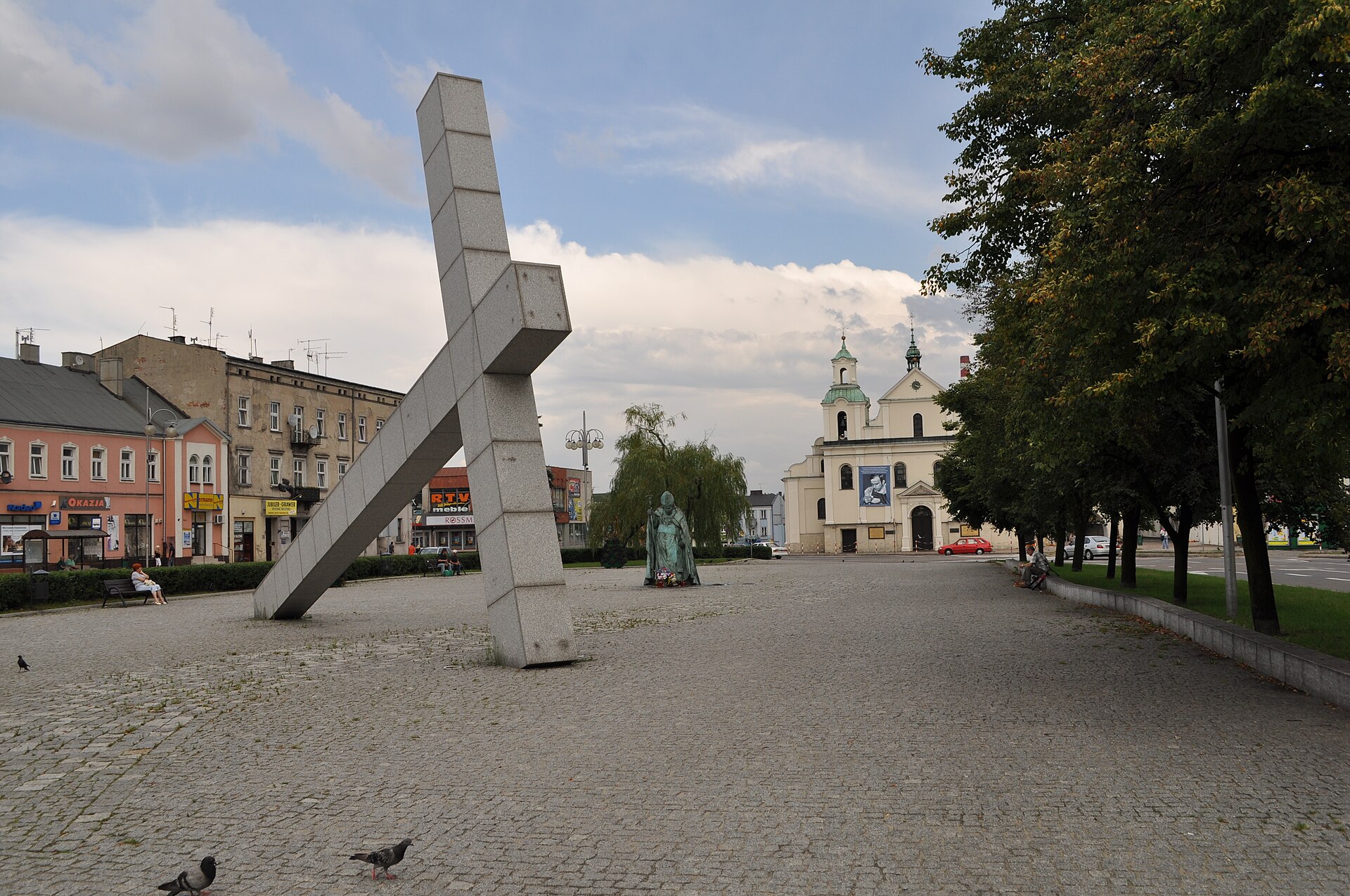
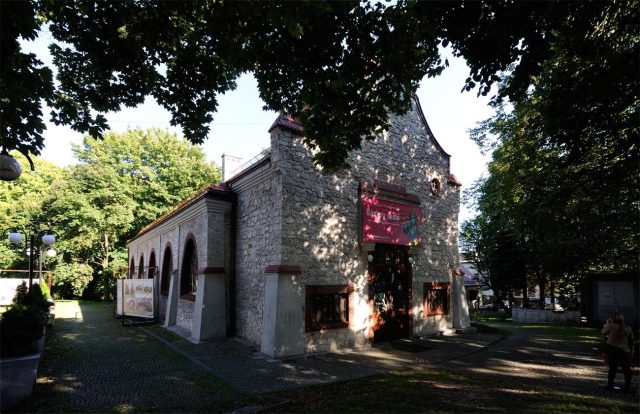
Dąbrowski Square doesn’t demand attention at first glance. It sits where busy streets intersect, a natural meeting point between the city’s historic core and its modern districts. There are no grand cathedrals or crowds of tourists—just the steady pulse of everyday life. Locals stop for coffee, rush to work, or stroll in the evenings.
The square is named after Ignacy Daszyński, a Polish politician and socialist leader in the early 20th century. Częstochowa has strong working-class roots, and the square carries that legacy. The buildings around it span different eras—some from the early 1900s, others from the postwar years, a few modern additions—each with its own story.
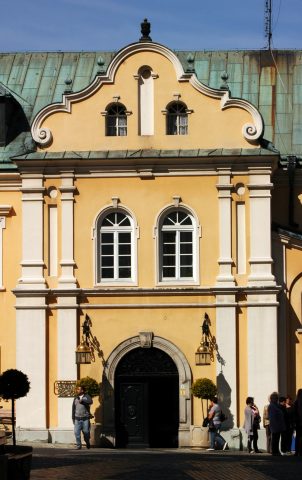
Architecturally, the square is a mix of styles. Low buildings with Art Nouveau facades stand alongside postwar structures and contemporary shops. The former cinema, once a cultural hub, now houses offices and stores. Look closely, and you’ll spot traces of its past—ornate plasterwork, stained glass, faded signs. These details hint at a city that has always had its own rhythm.
Dąbrowski Square isn’t a landmark. It’s where you go to feel the city as it is. A handful of cozy cafés serve coffee with local cheese or Polish pastries. In summer, fairs or concerts appear; in winter, a Christmas tree and ice rink. These seasonal touches make the square feel alive.
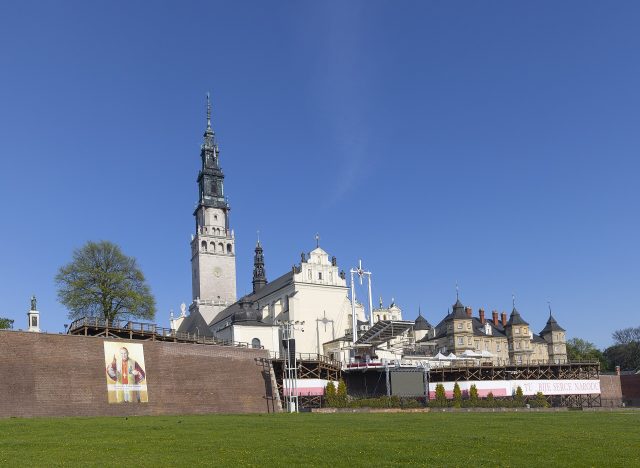
What makes the square interesting is its proximity to Jasna Góra Monastery. While the monastery draws pilgrims, Dąbrowski Square shows the city’s everyday life. Schoolchildren hurry to class, retirees feed pigeons, friends chat by the fountain. It doesn’t try to impress.
For visitors exploring Częstochowa beyond the Black Madonna, the square is a starting point. From here, it’s a short walk to Warszawska Street, the city’s main pedestrian thoroughfare, or down to the Warta River. You might stumble upon a local event—a street art festival, an open-air market, or a concert.
Częstochowa has been rethinking its public spaces. New benches have appeared, flowers are planted in season, and some facades have been refreshed. Yet the square hasn’t lost its character. It’s still a place where life unfolds naturally.
If you’re in Częstochowa, don’t rush straight to the monastery. Wander through Dąbrowski Square, sit in a café, and watch the city go by. It’s in these quiet moments that you’ll catch the real spirit of Częstochowa.