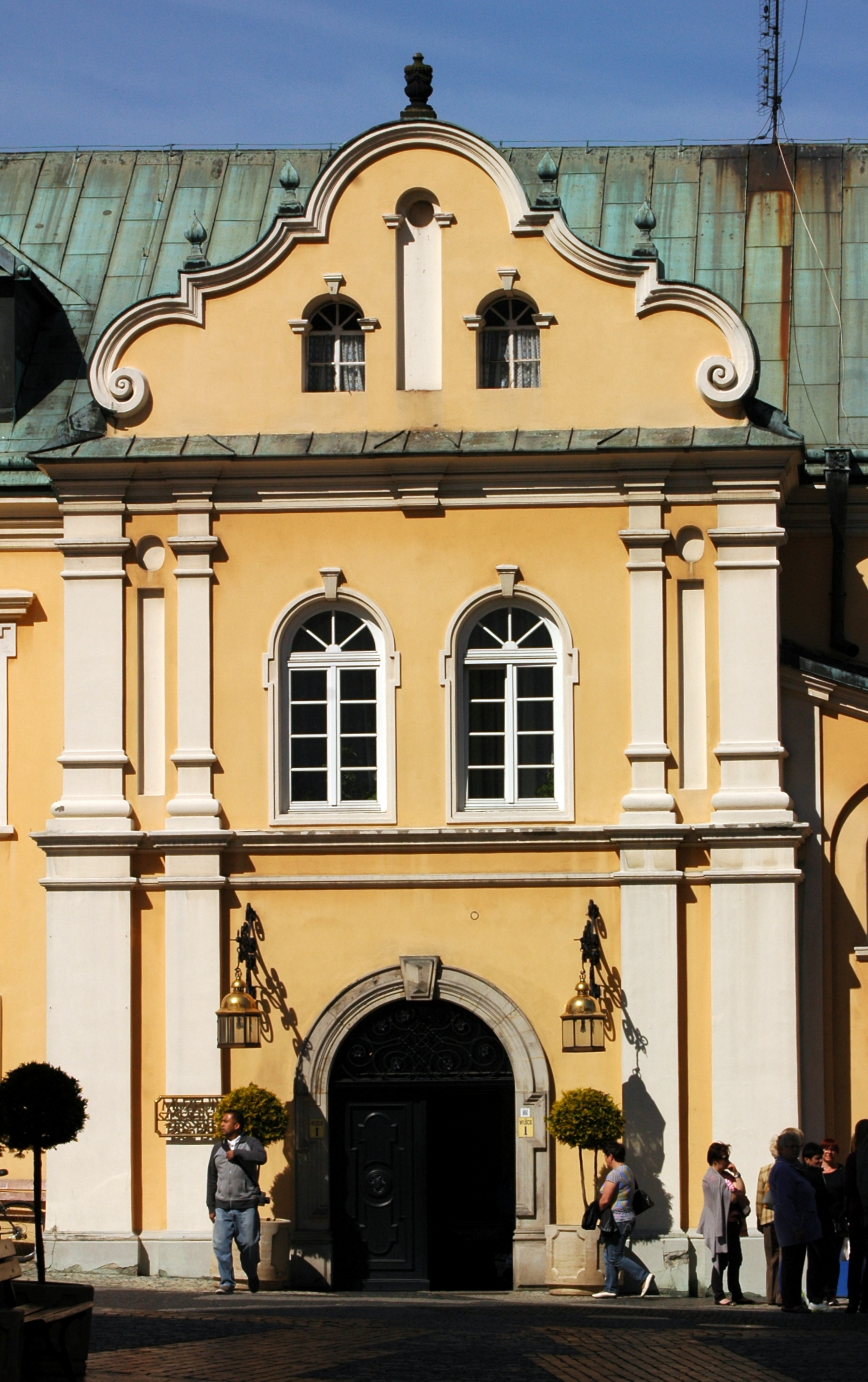
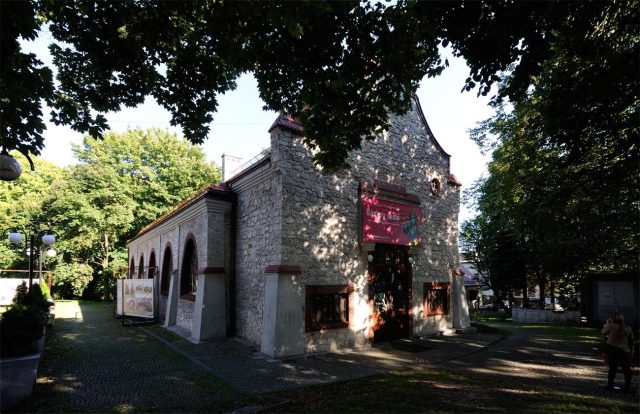
Częstochowa Museum is one of those rare places where history doesn’t just sit behind glass—it lingers in the air, woven into the very fabric of the building and its collections. Housed in a former Pauline monastery in the heart of the city, the museum itself is a piece of history, its walls bearing the marks of centuries. The moment you step inside, the weight of time becomes almost tangible, as if the past isn’t just preserved here but still alive, breathing through the artifacts and the stories they carry.
The museum’s origins trace back to the early 20th century, though its collections began taking shape much earlier. What started as private gatherings of local patrons and collectors eventually grew into a curated assembly of regional heritage. Today, the exhibits span several centuries, from medieval manuscripts and religious relics to everyday objects and artworks from the 18th and 19th centuries. Among the most striking pieces are those created by local artisans, whose work captures the distinct character of the region—its craftsmanship, its faith, and its quiet resilience.
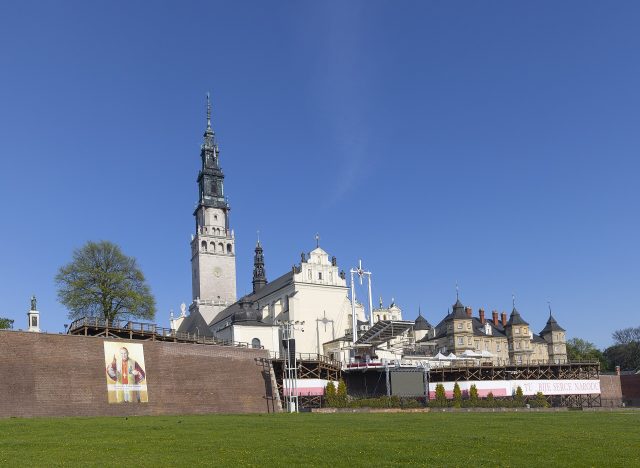
One of the museum’s most significant sections is its collection of sacred art. Here, rare icons, liturgical vessels, vestments, and sculptures offer a glimpse into the spiritual life of the area, many of them tied to the Jasna Góra Monastery, Poland’s most revered religious site. The craftsmanship is extraordinary—elaborate wooden altarpieces, silver reliquaries, and intricately embroidered fabrics that once adorned churches and monasteries. These pieces aren’t just beautiful; they’re a testament to the role religion played in shaping both the landscape and the identity of Częstochowa.
The archaeological exhibits provide a different kind of window into the past. Unearthed in and around the city, these artifacts—tools, pottery, coins, and jewelry—paint a picture of daily life stretching back to ancient times. Some of the most intriguing finds include fragments of decorated ceramics and bronze fibulae, the clasps that once fastened garments in the Middle Ages. Together, they tell a story of ordinary people whose lives were far removed from the grand narratives of kings and wars, yet no less important in the tapestry of history.
Equally compelling is the ethnographic collection, which focuses on the culture and traditions of Upper Silesia. Folk costumes, weaving looms, tools of various trades, and household items recreate the rhythms of life in the 19th and early 20th centuries. There’s a particular warmth to these displays—handmade toys, festive embroidery, and simple wooden utensils that evoke the comfort of home. They serve as a reminder of how quickly the world changes, and how easily the small, everyday details of the past can slip away if not preserved.
Beyond its permanent exhibits, the museum keeps its offerings fresh with temporary displays that explore different facets of Polish history and culture. These might range from retrospectives of notable figures to contemporary art installations that contrast sharply with the historical surroundings. Such rotating exhibits ensure the museum remains a dynamic space, one that doesn’t just look backward but engages with the present, inviting visitors to see familiar stories in new ways.
The building itself is a work of art. Constructed in the 17th century, it blends Baroque and Neoclassical elements, its high ceilings, sturdy columns, and faded frescoes creating an atmosphere of quiet grandeur. Walking through its halls, it’s impossible not to wonder about the lives that have passed through these same spaces—monks, scholars, visitors, and perhaps even the occasional wayward traveler. The architecture doesn’t just house history; it’s a silent witness to it.
What makes Częstochowa Museum special isn’t just the breadth of its collections but the way it makes the past feel immediate. For some, it’s a chance to connect with the region’s religious heritage; for others, an opportunity to explore the customs and crafts that defined generations. And for many, it’s simply a place to step out of the rush of modern life, to pause and reflect. The museum doesn’t just display history—it invites you to feel it, to sit with it, and to carry a piece of it with you when you leave. In that sense, it’s less a repository of artifacts and more a bridge between then and now, a quiet reminder that the past isn’t as distant as it sometimes seems.