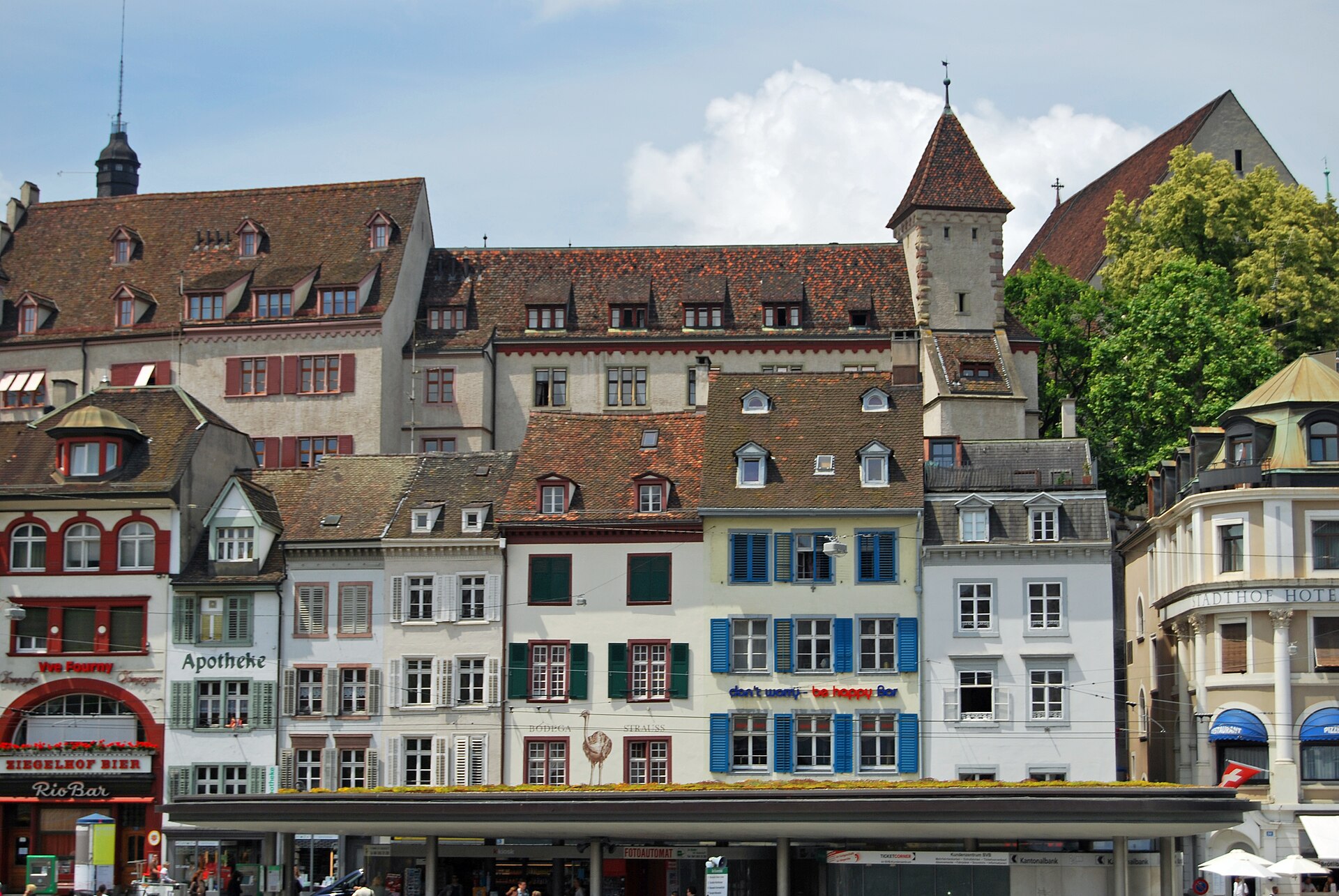
Barfüsserplatz is one of those places in Basel that feels like the city’s beating heart. It’s not just a square—it’s where the rhythm of daily life, history, and culture intersect in a way that’s both unassuming and deeply characteristic of the city. If you stand in the middle of it on a weekday morning, you’ll see commuters rushing toward the tram stops, students lingering outside cafés with their laptops, and the occasional street musician adding a soundtrack to the scene. The square doesn’t try to impress; it simply exists as a natural gathering point, a crossroads where Basel’s past and present collide without fanfare.
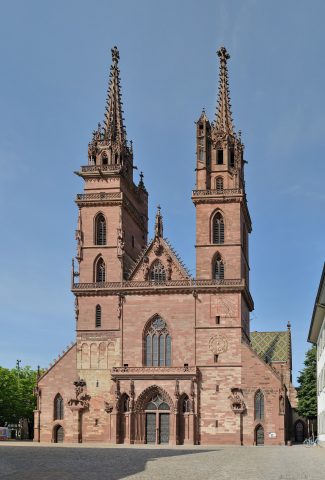
The name Barfüsserplatz translates to "Barefoot Square," a nod to the Franciscan monks who once lived nearby. The Franciscans, known for their vow of poverty and simple lifestyle, wore sandals or went barefoot, and their presence in Basel dates back to the 13th century. Their monastery, the Barfüsserkirche, still stands just off the square, though it’s now home to the city’s historical museum. The church’s Gothic architecture is hard to miss—its tall, narrow windows and pointed arches are a quiet reminder of the medieval era when Basel was a center of trade, religion, and learning. The square itself has been reshaped over the centuries, but its connection to the monks remains a subtle thread in its identity.
Architecturally, Barfüsserplatz is a patchwork of styles that tells the story of Basel’s evolution. The buildings lining the square range from 19th-century facades with ornate balconies to more modern structures that blend into the background. One of the most striking is the Stadtcasino, a concert hall with a neoclassical exterior that has hosted performances by some of the world’s greatest musicians. Its presence adds a touch of elegance to the square, though it’s the kind of elegance that doesn’t demand attention—it’s there if you notice it, but it doesn’t overshadow the everyday life unfolding around it. Nearby, the tram tracks weave through the square, a reminder that Basel is a city that moves, literally and figuratively, with the times.
What makes Barfüsserplatz special is its lack of pretense. Unlike some of Europe’s grander squares, it doesn’t feel like a stage set for tourists. Instead, it’s a place where locals go about their business, whether that’s grabbing a coffee at one of the small kiosks, catching a tram to work, or meeting friends for a drink at one of the outdoor tables. The square is particularly lively during the day, when the sun casts long shadows across the cobblestones and the scent of fresh bread from nearby bakeries mixes with the exhaust from passing trams. In the evenings, the atmosphere shifts slightly—fewer people rush through, and the square takes on a more relaxed, almost intimate feel.
Barfüsserplatz is also a gateway to some of Basel’s most interesting neighborhoods. Just a short walk away is the old town, with its winding alleys and hidden courtyards, where you can stumble upon everything from medieval fountains to tiny bookshops. To the north, the Rhine River cuts through the city, and the square is a natural starting point for a stroll along its banks. The river is a constant presence in Basel, and its influence is felt even here, in the way the city breathes and moves around its waterways. The square’s location makes it a perfect place to pause before diving deeper into the city’s layers.
One of the square’s most enduring traditions is the weekly market, held on Tuesdays and Fridays. It’s not the biggest market in Basel, but it’s one of the most authentic, with vendors selling everything from fresh produce to local cheeses and flowers. The market brings a burst of color and energy to the square, and it’s a great place to observe the city’s rhythms up close. Locals come here not just to shop, but to chat with neighbors, catch up on gossip, or simply enjoy the atmosphere. The market is a reminder that Barfüsserplatz isn’t just a transit hub—it’s a place where community happens.
The square has also been a witness to Basel’s more turbulent moments. During the Reformation in the 16th century, the city was a hotbed of religious and political change, and Barfüsserplatz was often at the center of it. The Franciscan monastery was dissolved, and the monks were forced to leave. Later, the square saw protests, celebrations, and even the occasional riot, as Basel navigated its way through the complexities of Swiss history. Today, those tensions have faded, but the square retains a sense of resilience—a place that has absorbed centuries of change without losing its character.
For visitors, Barfüsserplatz is often a first impression of Basel, and it’s a good one. It’s not the kind of place that dazzles with grandeur, but it has a quiet charm that grows on you. Whether you’re waiting for a tram, people-watching from a café, or just passing through, the square offers a glimpse into the city’s soul. It’s a place where history isn’t just preserved in museums but lived out in the small, everyday moments that make Basel what it is. And that, perhaps, is its greatest appeal.