Basel’s Kunstmuseum isn’t just a place where art is displayed—it’s where art breathes, woven into the fabric of the city’s history and identity. Founded in 1661, it holds the distinction of being the world’s oldest public art museum, born when the city acquired the private collection of the Amerbach family to save it from being scattered. What began as a rescue mission grew into one of Switzerland’s most significant cultural institutions, a living archive of European art spanning over seven centuries.
The museum’s architecture tells its own story. The main building, constructed in the early 20th century, balances classical elegance with practicality. Its columned façade and tall windows suggest permanence, yet inside, the space is designed to let the art take center stage. Later additions, including a modern wing for temporary exhibitions, blend seamlessly with the original structure, maintaining a sense of continuity rather than disruption. The result is a space that feels both timeless and adaptable, much like the collection it houses.
Walking through the galleries is like flipping through the pages of an art history textbook, but one that feels alive. The museum’s holdings begin with medieval altarpieces and Renaissance works, including masterpieces by Hans Holbein the Younger, who lived and worked in Basel for years. His portraits, with their sharp realism and psychological depth, remain some of the museum’s most iconic pieces. The collection then moves through Baroque and Neoclassical works before arriving at the Impressionists and Post-Impressionists—Monet’s shimmering landscapes, Cézanne’s structured still lifes, Van Gogh’s swirling skies. The 20th-century holdings are equally compelling, featuring works by Picasso, Chagall, and Kandinsky, artists whose radical visions once sparked controversy and now define modern art.
Yet the Kunstmuseum isn’t a relic of the past. It actively engages with contemporary art, hosting exhibitions that challenge and provoke, often becoming cultural events that resonate far beyond Basel. These shows don’t shy away from difficult questions about art’s role in society, and the museum isn’t afraid to court debate. It’s this willingness to evolve that keeps the institution relevant, ensuring it remains a dynamic space rather than a static repository of masterpieces.
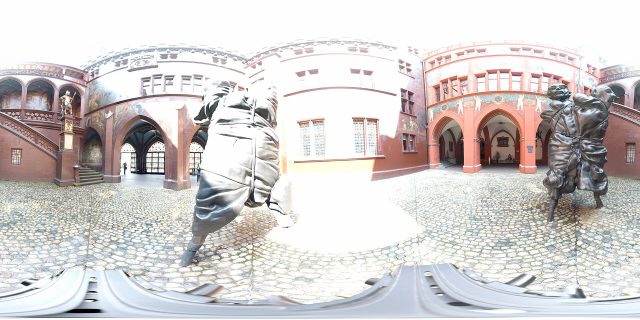
Beyond its permanent and temporary exhibitions, the museum is a hub of activity. Its halls regularly host lectures, concerts, and discussions, while the spacious courtyards offer a place to pause, whether with a coffee in hand or simply to watch the light play across the historic walls. The Kunstmuseum doesn’t exist in isolation—it’s deeply embedded in Basel’s cultural life, accessible to anyone curious enough to step inside. There’s no pretension here, just an invitation to explore how art has shaped, and continues to shape, the way we see the world.
What makes the museum truly special is its connection to Basel itself. The city has long been a crossroads of trade and culture, and its artistic collection reflects that history. Every piece in the museum tells a story of influence and exchange, of ideas flowing in from across Europe and being reinterpreted in Basel’s own unique way. Even if you’re not an art expert, the museum offers a sense of immersion in the city’s atmosphere, where the past feels tangible in every street and building.
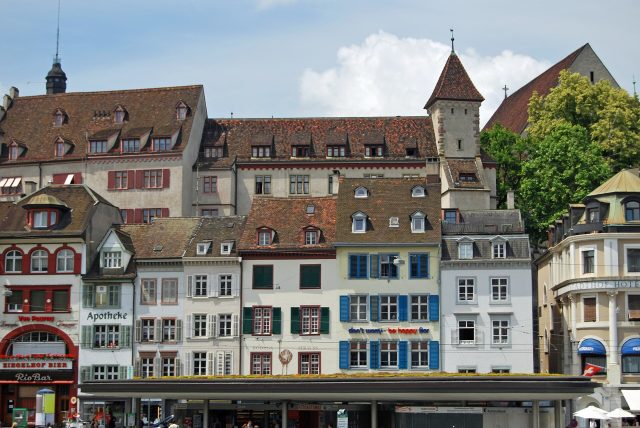
Located in the heart of Basel, just a short walk from the Rhine, the Kunstmuseum is easy to find as you wander through the old town. It doesn’t dominate the skyline with flashy architecture, but that’s part of its charm—it feels like a natural part of the cityscape, unobtrusive yet essential. Nearby, you’ll find other cultural institutions, cafés, and small shops, making it easy to combine a visit with a stroll through Basel’s compact, walkable center.
A visit to the Kunstmuseum is more than just a tour of its galleries—it’s an encounter with history in motion. There’s no rigid divide between old and new, between tradition and experimentation. You might spend an hour studying the intricate details of a medieval altarpiece, only to turn a corner and find yourself face-to-face with a bold abstract work that challenges everything you thought you knew. The museum doesn’t offer easy answers, but it does pose questions worth considering. And perhaps that’s what makes it so compelling: it doesn’t just show you art—it invites you to think about what art means.