Praça Arariboia is one of those quiet corners in Niterói where the city’s usual hustle fades into something slower, softer. Tucked in the heart of the historic center, the square feels like a pause in time, surrounded by streets that still carry the weight of colonial days. The buildings here—peeling plaster, wrought-iron balconies, faded facades—whisper of a grandeur that once was. There are no crowds, no souvenir stalls, no cafés blaring music. Just a handful of benches, old trees, and the occasional breeze off Guanabara Bay, a quiet reminder that the ocean is never far away.
Though small, the square has always been more than just a patch of pavement. It took shape in the 18th century, part of the town’s original layout when Niterói was still called Vila Real da Praia Grande. Back then, it was a strategic stop between Rio de Janeiro and the colony’s inland territories, a place where merchants, officials, and landowners gathered to talk business or simply watch the port’s comings and goings. Over the centuries, Arariboia became a kind of living monument, a space where the layers of Niterói’s past are still visible in the buildings that have stood through colonial rule, independence, and everything since.
The architecture around the square tells its own story, a mix of styles that reflect the city’s shifting fortunes. The most striking building is the former state government palace, built in the mid-1800s when Niterói was still the capital of Rio de Janeiro state. Its neoclassical columns and tall windows give it a stern, official air, as if it’s still keeping watch over the city’s history. Just steps away stands the Church of São Lourenço dos Índios, one of Niterói’s oldest, founded in 1627. Its plain white facade and simple bell tower couldn’t be more different from the palace’s grandeur, but that’s part of its charm. The church was built on the site of an old Jesuit mission, and its history is tied to the indigenous peoples who once lived here, long before the square took its current shape.
These days, Arariboia feels like the living room of old Niterói. Mornings start quietly, with locals stopping by on their way to work or lingering over coffee on the benches. Older men gather under the trees for games of dominoes, their laughter mixing with the rustle of leaves. By midday, the square empties a little, but it comes alive again in the late afternoon. Schoolkids hang out after class, chatting or listening to music, and on weekends, there might be a small concert or a craft fair. The air fills with the smell of roasted corn and coconut sweets, and the sound of samba or a lone guitar drifts between the buildings.
What makes Arariboia special is its lack of pretense. There’s no touristy polish here, no signs explaining the history or guides herding visitors from one spot to the next. The square is just itself—cracked sidewalks, peeling paint, the occasional graffiti on a bench. It’s a place where history isn’t preserved behind glass but lives alongside the everyday. You can sit here for an hour or two, watching the light change on the old facades, the shadows stretching longer as the sun dips lower, the evening breeze bringing a hint of cool from the bay.
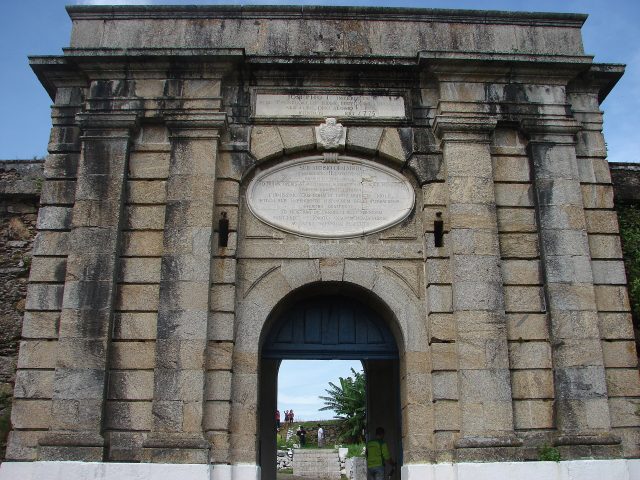
For anyone curious about the past, the square is like an open book. Each building has its own tale. The house across from the church, for example, once belonged to one of Niterói’s most powerful families and now hosts a small cultural center. Inside, you’ll find old photographs, colonial-era documents, and even a few household items from the 1800s. A short walk down the street leads to the remnants of an old fortress wall, a silent witness to the days when pirates were a real threat and Niterói was still finding its place in the world.
But Arariboia isn’t just about history. It’s a place that moves with the city, alive and changing. Local festivals, like the Festa do Divino in June, turn the square into a hub of color and sound. Flags and garlands decorate the area, musicians take to makeshift stages, and the scent of feijoada and pastéis fills the air. Even those who stumble upon the celebration by accident get pulled into the rhythm, clapping along to the music or trying a bite of something new.
As evening falls, the square transforms again. The streetlights cast a warm glow over the cobblestones, and the sounds of the city take on a different tone. Sometimes, you’ll hear live music—a guitar strumming, a voice singing to the beat of a pandeiro. It’s not a performance for tourists but just part of life here, the unhurried pulse of Niterói, so different from the frenetic energy of Rio across the bay. If you’re lucky, you might catch a group practicing samba or capoeira, their movements fluid and precise as they prepare for the next carnival.
Arariboia doesn’t demand attention, but it lingers in the memory. There are no grand monuments or ornate fountains, just the quiet authenticity of a place that has seen centuries pass without losing its soul. It’s a corner of Niterói where time moves at its own pace, where the past isn’t locked away but woven into the present. Come in the afternoon to sit on a bench and watch the city go by, or stay until evening to see the square come alive under the soft light of the lamps. Either way, it leaves you with the feeling of having touched something real, something that doesn’t bend to trends or tourist expectations.