Vlorë’s beach isn’t just a stretch of sand by the sea—it’s where Albania reveals a side you won’t find in glossier Mediterranean destinations. There are no crowds here, no towering hotels or pushy vendors, just open space, quiet, and the sense that time moves a little slower. Located where the Adriatic meets the Ionian Sea, this beach is one of the most accessible and unspoiled in the region, a place where the country’s rhythms feel untouched by mass tourism.
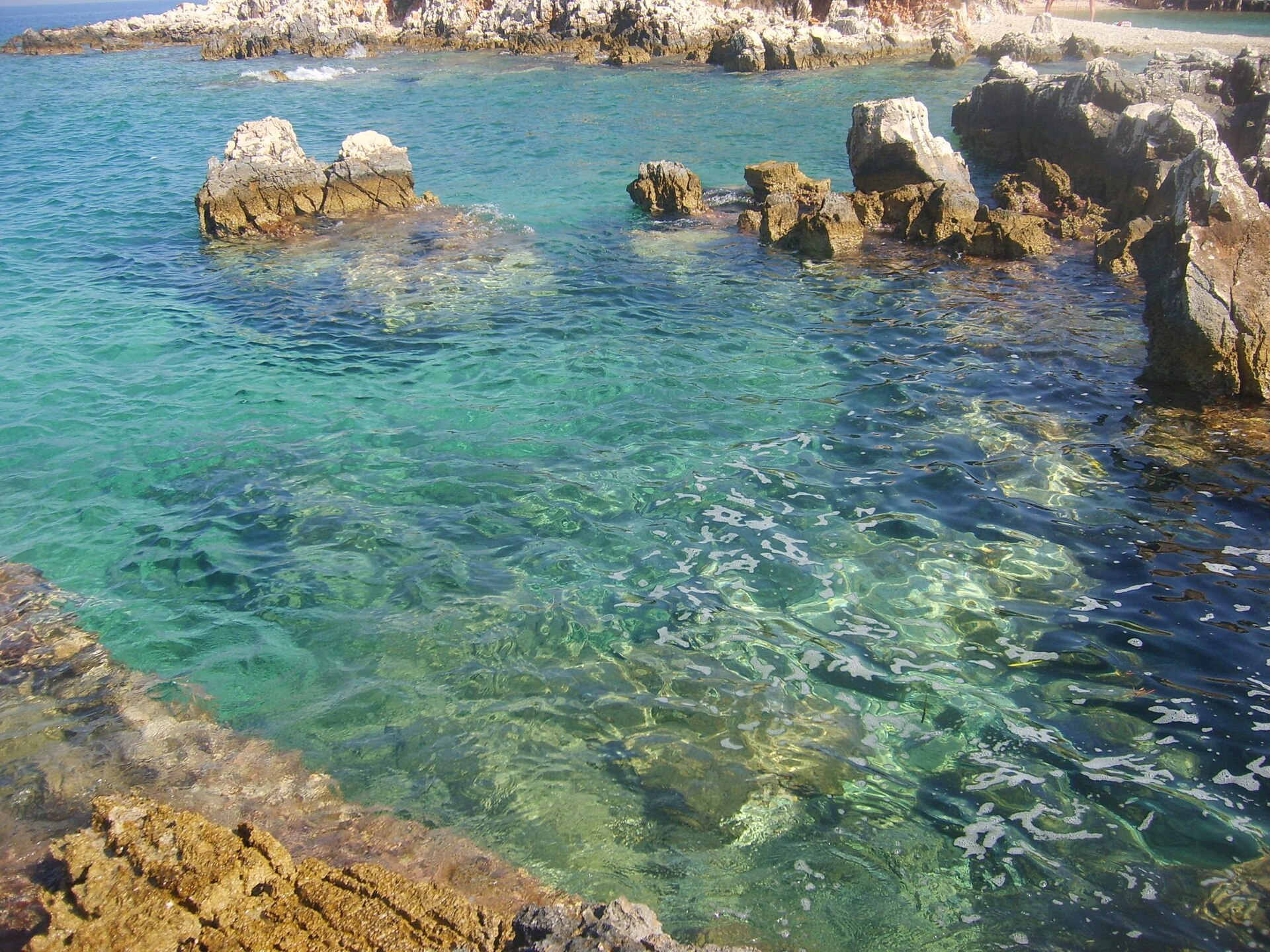
The sand isn’t pristine white or perfectly smooth—it’s golden, mixed with pebbles near the water’s edge. The sea stays calm through the summer, with gentle waves and warm, slightly salty water that’s clear but not the glassy blue of Croatia’s coves or Greece’s hidden bays. The shore slopes gradually, making it easy for families with children to wade in, while low cliffs along the coast offer shelter from the wind or a quiet spot to sit and watch the horizon.
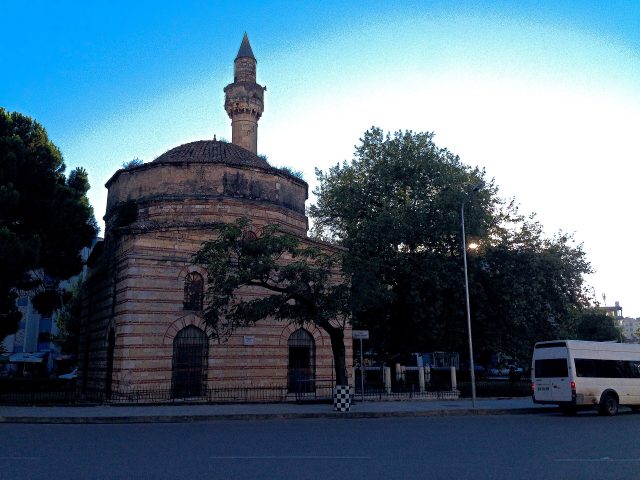
Vlorë itself is a city with layers of history, and the beach is woven into its past. These shores were once part of ancient Illyria, later a key Byzantine port, and over the centuries, the city changed hands—Venetian, Ottoman, and finally Albanian, with independence declared here in the early 20th century. That history lingers in the waterfront’s mix of old stone houses, fishing boats, and simple cafés. The beach, though, remains a place where the past and present blur. Even now, you might see fishermen mending nets or pulling small boats ashore, just as they have for generations.
The atmosphere here is unhurried, almost village-like. Mornings are quiet, with only a few early risers casting lines or strolling along the water’s edge before the sun climbs high. By midday, families arrive, along with day-trippers from nearby towns and the occasional traveler seeking something less polished. Evenings are quieter still, with the beach emptying as lights flicker on along the promenade and the hum of conversation drifts from open-air tavernas.
The beach’s infrastructure is modest but functional. Small cafés and seafood shacks line the shore, serving simple, fresh meals—grilled fish, salads with local vegetables, octopus charred over an open flame. Prices are lower than in tourist hubs, and portions are generous. You can rent a sunbed and umbrella, though many prefer to spread a towel on the sand. There are basic showers and toilets for a small fee, and nearby, a handful of guesthouses and apartments offer no-frills lodging—clean, comfortable, and close to the water.
Vlorë isn’t a place for nightlife or shopping. There are no water parks, no high-end boutiques, no late-night clubs. Instead, it offers something quieter: the chance to settle into Albania’s everyday pace. Long conversations over coffee, the scent of grilled sardines and salt air, evening walks along the promenade as the sky turns pink and gold. The beach isn’t the main attraction here—it’s just part of the city’s fabric, a natural extension of its streets and squares.
The best time to visit is May through June or September, when the weather is warm but not scorching, and the sea is still inviting. July and August bring heat and more visitors, especially on weekends when locals from Tirana and other cities flock here. In the off-season, Vlorë feels even more peaceful, with fewer people and the kind of quiet that lets you hear the waves and the cry of gulls.
Getting here is straightforward. Buses run from Tirana, taking about three hours, and while the roads in this part of Albania aren’t always smooth, the journey is manageable. From neighboring countries like Montenegro or Greece, the easiest route is through the port of Sarandë, with buses or taxis connecting to Vlorë. The city itself is small, and the beach is within walking distance of the center, so there’s no need for complicated navigation.
Vlorë’s beach won’t dazzle you at first glance. There are no dramatic cliffs, no ancient ruins, no luxury resorts. But that’s precisely its charm. It’s a place for those who want to step away from the noise and simply be by the sea, without the pressure of sightseeing or entertainment. Here, you can spend days lying on the sand, listening to the waves, or wandering the promenade, stopping at little shops to try local olives or fresh bread. Vlorë doesn’t try to be anything other than what it is—a quiet, unassuming stretch of coast where the sea, the sky, and the slow pace of life are enough.