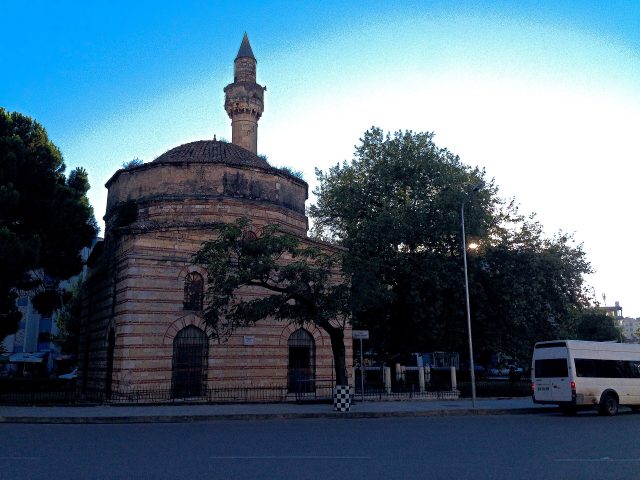
The Independence Museum in Vlorë is one of those rare places where history feels immediate, almost tangible. Housed in the building where Albania’s declaration of independence was signed in 1912, it stands as both a monument and a quiet witness to a pivotal moment in the nation’s past. The museum isn’t grand in scale, nor does it overwhelm with spectacle. Instead, it offers something more intimate: a chance to step into the rooms where decisions were made that would shape a country’s future.
The building itself is modest, a two-story house with the kind of understated elegance typical of Albania’s coastal towns. Large windows let in the Adriatic light, and wooden balconies overlook the street below. Inside, the original structure has been preserved with care—high ceilings, creaking wooden staircases, and period furniture that still carries the weight of the conversations once held within these walls. This was the home of Ismail Qemali, a central figure in Albania’s national awakening, and in the early 20th century, it became a gathering place for intellectuals, activists, and revolutionaries. The air here feels thick with the past, as if the debates and hopes of that era still linger in the corners.
The museum’s collection is small but deliberate. There are no flashy displays or overwhelming amounts of information. Instead, each exhibit serves a purpose, whether it’s a faded newspaper clipping, a handwritten letter from Qemali, or a well-worn uniform worn by one of the volunteers who fought for independence. Copies of the original declaration are on view, their ink still sharp against the yellowed paper. Personal items—diaries, photographs, everyday objects—paint a picture of life in Albania at the turn of the century, when the country was still under Ottoman rule. The simplicity of the presentation makes the history feel more real, more human. It’s not about grand narratives here, but about the people who risked everything for an idea.
Vlorë was more than just a backdrop to these events; it was a city at the heart of the struggle. Perched on the Adriatic coast, where the mountains meet the sea, it had long been a crossroads of trade, culture, and politics. In the early 1900s, it was a place where ideas circulated freely, where merchants, diplomats, and revolutionaries mingled in the cafés and markets. The city’s location made it a natural choice for the declaration of independence—it was a gateway to the world, a place where Albania could announce itself to the outside. Even today, walking through Vlorë, you can sense that history in the layout of the streets, the old stone buildings, and the way the sea breeze carries the weight of the past.
The museum isn’t just a repository of artifacts; it’s a space for reflection. Visitors can stand in the same rooms where independence was debated and decided, where the future of a nation hung in the balance. The silence in the halls isn’t empty—it’s full of the voices of those who were there, the arguments they made, the risks they took. For Albanians, this place is deeply personal, a connection to the roots of their country. But even for those who come from elsewhere, there’s something universal in the story it tells: the struggle for self-determination, the fragility of freedom, the courage it takes to imagine a different future.
Albania’s path to independence was neither quick nor easy. For centuries, the country had been under Ottoman rule, and the fight for sovereignty was long and uncertain. The museum doesn’t shy away from that complexity. There’s no triumphalism in its exhibits, no attempt to smooth over the difficulties. Instead, it presents history as it was—messy, uncertain, and hard-won. The documents on display show the debates, the setbacks, the moments of doubt. They remind visitors that independence wasn’t inevitable, that it was the result of persistence, sacrifice, and a shared belief in something greater than oneself.
Outside the museum, Vlorë continues to live and breathe. The city is a mix of old and new—bustling markets, seaside promenades, and quiet side streets where the past feels closer than ever. The house where the museum is located isn’t the only one of its kind; there are others like it, hidden among the modern buildings, their facades worn by time. They serve as a reminder that history isn’t just something you read about in books. It’s in the air here, in the way the light falls on the cobblestones, in the stories passed down through generations.
A visit to the Independence Museum doesn’t take long, but its impact lingers. It’s not the kind of place where you’d spend hours, but it’s the kind of place that stays with you. There are no crowds, no distractions—just the quiet hum of history waiting to be discovered. For anyone interested in the Balkans, in the stories of nations finding their voice, or simply in the way the past shapes the present, this museum offers a rare glimpse into a moment that changed everything. And for Albanians, it remains a place of quiet pride, a reminder of what it took to build a country—and what it means to keep it free.