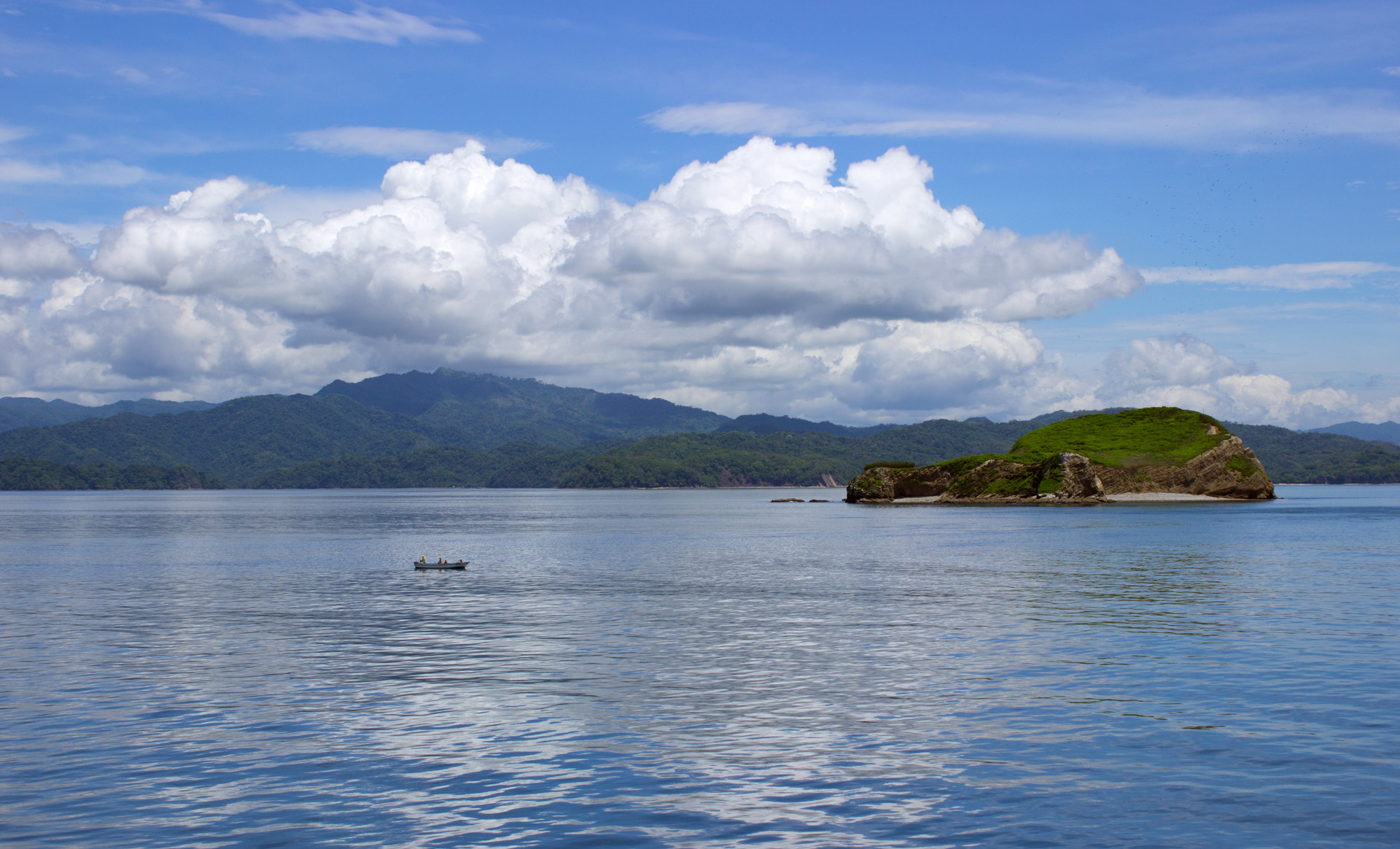
Puntarenas Beach runs along the narrow peninsula that gives the town its name, a slender finger of land reaching into the Gulf of Nicoya. For much of Costa Rica’s history, this was the country’s principal port, where coffee, bananas, and other exports left for foreign markets, and where travelers and goods arrived from abroad. The beach’s dark sand and gentle waves suit quiet walks and the occasional swim more than ocean sports.
The town of Puntarenas was once the center of Costa Rica’s coastal trade. In the 19th century, when the country’s economy relied on coffee, this was where the beans were loaded onto ships bound for Europe and North America. The old customs house, now a museum, still stands near the waterfront. Its wooden balconies and weathered walls remind visitors of the days when Puntarenas was the country’s gateway to the world. Fishermen mend their nets on the shore, and ferries still depart for the Nicoya Peninsula, carrying locals and visitors to quieter corners of the coast.
The beach runs parallel to Paseo de los Turistas, a promenade lined with seafood restaurants, small shops, and ice cream vendors. In the early morning, the air smells of salt and fried fish. By midday, people stroll under the shade of almond trees, stopping to watch pelicans dive or to buy a fresh coconut. The pace is slow, the kind of place where time feels different.
The long pier extending into the gulf is one of Puntarenas Beach’s most distinctive features. Built in the early 20th century, it was once used for cargo but now serves as a gathering spot. On weekends, families fish from the pier while children run along the wooden planks. It’s also a quiet escape, a place to lean against the railing and watch the waves without distraction.
The water here is calm, protected by the curve of the gulf, though currents can shift with the tides. The beach is wide and flat, with dark volcanic sand that stays cool underfoot. At low tide, small tide pools form along the shore, revealing tiny crabs and other marine life. People come to relax, play soccer, or sit and watch the boats pass by.
The old train station, now abandoned, is a relic of the days when the railway connected the port to the capital. Nearby, the Mercado de Mariscos is an indoor market where vendors sell fresh ceviche and live lobsters. In the evenings, the waterfront glows with streetlights, and conversation drifts from open-air restaurants.
Ferries depart regularly for the Nicoya Peninsula, where beaches are wilder and towns smaller. The journey across the gulf takes about an hour, offering views of mangrove-lined shores and dolphins. Nearby mangrove forests and estuaries provide opportunities for kayaking and birdwatching—herons, kingfishers, and crocodiles appear in the quieter channels.
Puntarenas Beach isn’t known for dramatic scenery or tourist infrastructure. It’s a place where life unfolds at its own pace, where the past and present coexist. The sea is never far away, and the rhythm of the waves sets the tempo for the day. Whether you stay for a few hours or a few days, it leaves an impression.