Barra Honda National Park is one of those places in Costa Rica where nature keeps its secrets hidden beneath the surface. Tucked away near the Pacific coast in the province of Guanacaste, this park reveals its wonders not at first glance, but deep underground. Beneath its limestone hills lies an intricate network of caves, formed millions of years ago when the area was submerged under an ancient sea. What remains today are vast chambers filled with stalactites and stalagmites, still growing at a pace so slow it’s almost imperceptible, shaping a world that feels untouched by time.
The park covers around three thousand hectares, but its real magic lies below ground. Of the forty or so known caves, only a handful are open to visitors, each with its own character. Santa Ana Cave is one of the most accessible, descending just twenty meters into the earth, where visitors can see formations that resemble frozen waterfalls or abstract sculptures carved by nature. Other caves, like Nicoya or Trinidad, plunge much deeper and require specialized equipment, though even their upper levels offer a sense of their vast, shadowy interiors. Exploring them feels like stepping into another era, where the air is cool and damp, and every corner holds something unexpected.
The caves of Barra Honda weren’t always a destination for travelers. While locals had long known of their existence, serious exploration only began in the 1960s. What researchers found was more than just geological beauty—some chambers held traces of ancient life, from the bones of prehistoric animals to artifacts left behind by indigenous peoples who once called this region home. Today, the park remains an active site for scientific study, where geologists and archaeologists continue to uncover its secrets. For visitors, this adds another layer of intrigue, knowing that the ground beneath their feet holds stories stretching back thousands of years.
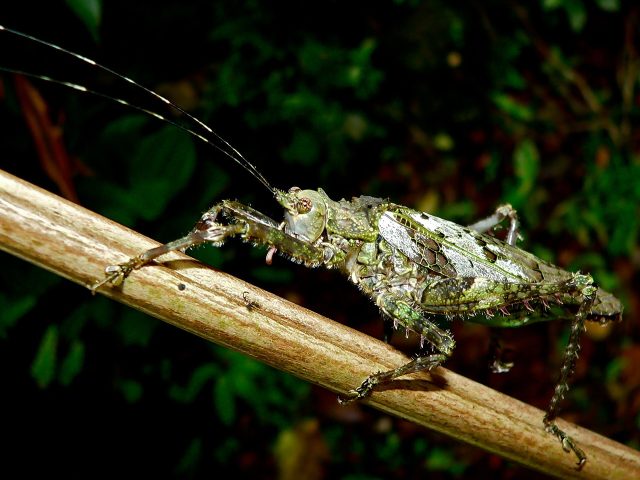
Above ground, Barra Honda is just as compelling. The landscape is a mix of rolling hills and dry tropical forest, which transforms dramatically with the seasons. During the rainy months, the vegetation bursts into life, painting the hills in vivid greens, while the dry season leaves the trees bare, their twisted branches creating a stark, almost surreal silhouette against the sky. Wildlife is abundant here—howler monkeys swing through the treetops, white-faced capuchins chatter in the branches, and if you’re lucky, you might spot an ocelot or a tapir moving quietly through the undergrowth. Birdwatchers will find plenty to admire, from the flashy colors of toucans to the steady drumming of woodpeckers.
Hiking trails weave through the park, offering a chance to experience both its underground and surface worlds. Some paths lead to viewpoints overlooking the Nicoya Gulf, where the blue expanse of water meets the horizon. Others wind through the forest, where the air is thick with the scent of dry earth and the occasional whiff of salt from the nearby ocean. The trails vary in difficulty, but even the gentler ones provide a sense of adventure, especially when they lead to the cave entrances, dark and mysterious against the bright landscape.
Visiting the caves requires a bit of preparation. All tours are guided, not just for safety but to provide context—guides explain the geology, the history, and the delicate balance of the ecosystem. Inside the caves, temperatures drop, and the air feels heavy with moisture, so a light jacket and sturdy shoes are a good idea. Helmets and headlamps are provided, but if you want to capture the otherworldly beauty of the caves, bringing your own camera is worth the effort. The lighting is dim, and the formations are best appreciated in natural detail, so a little extra gear can make a big difference.
For those who want to linger, the park offers basic camping facilities. There’s no luxury here—just tents, simple shelters, and the essentials—but waking up to the sounds of the forest and the first light filtering through the trees is an experience in itself. The surrounding area has small villages where you can try local dishes like gallo pinto, a hearty mix of rice and beans, or fresh seafood pulled from the gulf. It’s a quiet, unhurried way to end the day, far from the bustle of tourist hotspots.
What makes Barra Honda special is its sense of stillness. There are no crowded beaches or resort crowds here, just the quiet rhythm of nature. The caves feel like gateways to another world, a reminder of how much remains unseen beneath our feet. Above ground, the dry forest shows how life persists even in harsh conditions, adapting and thriving in ways that are both subtle and resilient. For travelers looking for something beyond the usual, this park offers a chance to slow down, to explore, and to feel connected to a place that has existed for millennia, largely unchanged. The key is to take your time—there’s no rush here, only discovery.