Selvatura Park is one of those rare places where Costa Rica reveals itself without pretense. Tucked into the misty foothills near Puntarenas, it feels like stepping into a world that existed long before tourism reshaped the country’s coastline. There are no amusement park rides or manicured gardens here—just the quiet persistence of a tropical forest, where the air hums with life and every path leads deeper into something real.
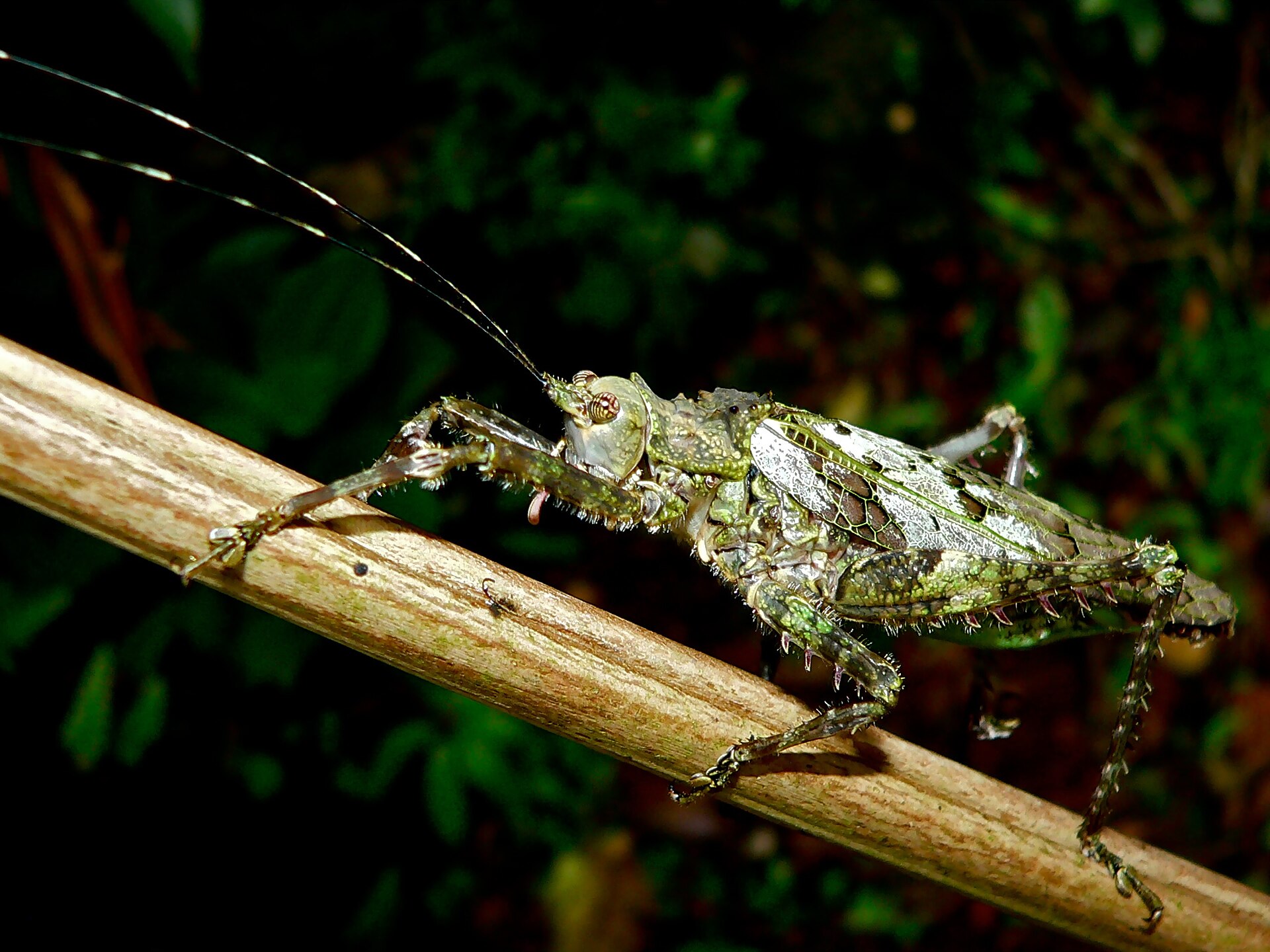
The forest itself is a textbook example of the biodiversity Costa Rica is known for. Towering ceiba trees, their buttressed roots forming natural arches, stretch toward the sky while vines drape from their branches like forgotten ropes. The understory is dense with ferns and bromeliads, their leaves collecting rainwater in tiny pools that become miniature ecosystems. Walk slowly enough, and you’ll notice the details: the way orchids cling to tree trunks, the sudden rustle of a lizard darting across the trail, or the faint scent of damp earth rising with each step. This isn’t a curated nature experience; it’s the raw, unfiltered version of a place that has thrived for centuries without human intervention.
One of the park’s defining features is its network of suspension bridges, strung between trees at canopy level. They’re not particularly high—just enough to make your pulse quicken as the bridge sways slightly underfoot—but the perspective they offer is unforgettable. From above, the forest becomes a living tapestry of green, with sunlight filtering through the leaves in shifting patterns. On a clear day, you can see the distant outline of mountains, but the real magic is in the details: the way a toucan’s beak flashes against the foliage, or the moment a troop of capuchin monkeys swings into view, their movements effortless and unhurried. The bridges are sturdy, designed for accessibility, but there’s still a thrill in realizing how small you are in the grand scale of the forest.
For those who want a more active experience, the park’s zipline courses offer a different kind of immersion. There’s nothing extreme about them—they’re more about the sensation of flight than adrenaline. Gliding between platforms, you’re suspended in the middle of the canopy, with the wind rushing past and the sounds of the forest rising to meet you. The guides are patient, explaining the mechanics with a casual confidence that puts even first-timers at ease. By the second or third cable, most people forget their nerves and start to enjoy the rhythm of it: the click of the harness, the brief weightlessness as you push off, the way the trees blur past in a green haze.
Wildlife is everywhere in Selvatura, though it doesn’t always announce itself. The park is home to species that have adapted to human presence without becoming dependent on it. Howler monkeys can be heard long before they’re seen, their deep, guttural calls echoing through the trees like a natural alarm clock. Toucans, with their oversized beaks, perch high in the branches, watching visitors with an almost comical detachment. On the forest floor, agoutis—small, rabbit-like rodents—scurry through the undergrowth, while butterflies drift between flowers in slow, deliberate arcs. The park also has a modest reptile exhibit, where snakes and frogs are kept in enclosures that mimic their natural habitats. It’s not a zoo, but a quiet reminder of the diversity that thrives just beyond the trails.
The park’s existence is tied to Costa Rica’s broader conservation story. In the mid-20th century, the country lost nearly half its forest cover to logging and agriculture, pushing many species to the brink. Selvatura was part of a wave of private and public efforts to reverse that trend, turning degraded land back into thriving ecosystems. Today, it serves as both a sanctuary and a classroom. Researchers use the park to study everything from pollination patterns to the effects of climate change on tropical species. Visitors, meanwhile, leave with a deeper understanding of why places like this matter—not just for the animals that live here, but for the people who depend on the forest’s health.
What makes Selvatura special is its lack of pretense. There are no grand entrances or flashy signs, just well-maintained trails that wind through the trees like natural invitations. The park doesn’t try to entertain; it simply offers space to observe, to listen, and to slow down. On busy days, you might cross paths with other visitors, but the forest’s scale ensures that solitude is never far away. Some people come for the ziplines or the bridges, others for the chance to see a sloth or a rare bird. But many leave with something less tangible: the quiet realization that nature doesn’t need to be performative to be profound.
The best time to visit is early morning, when the forest is still cool and the light has a soft, diffused quality. Mist clings to the treetops, and the air is filled with the calls of waking birds. By midday, the sun burns off the haze, and the forest takes on a different character—brighter, louder, more insistent. Late afternoon brings a return to stillness, as the light slants through the trees and the temperature drops. There’s no bad time to be here, though. The forest has a way of adapting to the moment, whether it’s the sudden downpour of a tropical shower or the hush that follows.
Selvatura isn’t the kind of place you visit once and check off a list. It’s the sort of place that lingers in your memory long after you’ve left, a quiet counterpoint to the beaches and resorts that dominate most travel itineraries. For those who come to Costa Rica seeking more than just a tan, it offers something far more valuable: a chance to step outside the usual rhythms of travel and remember what it means to pay attention. The forest doesn’t care if you’re a first-time visitor or a seasoned naturalist. It simply exists, indifferent to human schedules, and in that indifference, there’s a kind of freedom. You don’t have to do anything here except be present. The rest will take care of itself.