Nestled in the misty foothills of the Cordillera de Tilarán, where Monteverde’s cloud forests dissolve into hidden valleys, the Serpentario de Monteverde offers something far removed from the typical reptile exhibits found across tropical destinations. This isn’t a place where snakes are paraded as spectacles or reduced to mere attractions behind glass. Instead, it feels like a quiet effort to bridge the gap between human curiosity and the often-misunderstood world of reptiles—a sanctuary where these creatures exist not just for display, but as part of a living, breathing ecosystem worth protecting.
The idea for the serpentarium took root in the late 20th century, when biologists and conservationists in Costa Rica began to recognize how vulnerable snake populations were becoming. The country’s reputation for biodiversity is well-earned, and reptiles play a crucial role in its ecosystems, yet their numbers have dwindled due to deforestation, illegal collection, and the persistent fear they inspire in people. Unlike many similar facilities, which prioritize entertainment with dramatic feeding shows or staged encounters, the Serpentario de Monteverde was designed with a different purpose: to foster understanding. Here, visitors don’t just observe snakes—they learn why these creatures matter, how they fit into the natural world, and what it takes to ensure their survival.
The design of the serpentarium reflects this philosophy. The enclosures aren’t the sterile, cramped terrariums one might expect. Instead, they’re spacious and thoughtfully arranged to mimic the snakes’ natural habitats. Dense vegetation, rocks, fallen branches, and even small pools of water create an environment where the animals can behave as they would in the wild. Some enclosures are designed so that the snakes can retreat into hiding, leaving visitors with only glimpses of their world—like catching fleeting moments of life in the forest. The lighting is dim, the air humid, and the temperature carefully regulated to match the conditions these reptiles would experience in their native habitats. Walking through the serpentarium feels less like a guided tour and more like stepping into a hidden corner of the rainforest, where the usual noise and distractions of tourism fade away.
Among the residents are some of Costa Rica’s most notorious snakes. The fer-de-lance, or terciopelo, is one of the most feared, its venomous bite a serious threat in the wild. Its mottled pattern blends seamlessly into the forest floor, making it nearly invisible to the untrained eye. Nearby, the bushmaster—known locally as the matabuey—lurks in the shadows, its name a grim reminder of its lethal potential. These snakes aren’t aggressive by nature, but their presence serves as a stark reminder of the dangers that exist in the wild, where encounters can turn deadly without proper caution. The serpentarium also houses less threatening but equally fascinating species, like the emerald tree boa, which spends its life coiled among the branches, or the vibrant coral snake, its bands of red, yellow, and black a warning to would-be predators.
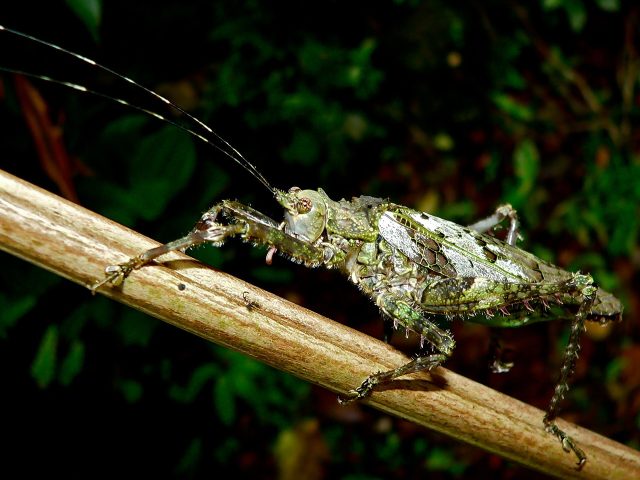
But the serpentarium isn’t just about snakes. It’s a microcosm of the broader ecosystem, where other creatures—frogs, lizards, and even the occasional small mammal like an opossum or bat—share the space. Each plays a role in the delicate balance of life here. The poison dart frogs, for instance, with their toxic skin secretions, are prey for certain snakes, while those same snakes help control rodent populations. The serpentarium doesn’t just showcase these animals; it illustrates the connections between them, offering a glimpse into how fragile these relationships can be. When one species disappears, the ripple effects can be profound, and places like this serve as a reminder of why conservation matters.
For many visitors, the serpentarium is also an education in how to coexist with snakes in the wild. There’s a common misconception that these creatures are inherently aggressive, but the reality is far more nuanced. Most snakebites occur not because the animal is hunting humans, but because people accidentally step on them or try to handle them. In a country like Costa Rica, where dense forests and overgrown trails are part of the landscape, such encounters are inevitable. The serpentarium teaches visitors how to recognize dangerous species, understand their behavior, and respond appropriately if they cross paths. A coiled snake hissing isn’t necessarily preparing to strike—it’s often just trying to warn you away. Knowing the difference can mean the difference between a harmless encounter and a dangerous one.
The atmosphere inside the serpentarium is one of quiet reverence. There are no crowds, no loud voices, no sense of rush. Tours move at a leisurely pace, with guides who don’t just recite facts but encourage a deeper connection to the space. The occasional rustle of leaves or soft hiss from an enclosure breaks the silence, but for the most part, the only sounds are the distant calls of birds and the hum of the forest outside. It’s a place where time seems to slow down, where the usual distractions of travel fade into the background. In a country that has become synonymous with ecotourism, the serpentarium embodies a different kind of experience—one where nature isn’t just something to be observed, but something to be respected.
More than just a collection of snakes, the Serpentario de Monteverde is an attempt to shift perceptions. Fear, after all, often stems from ignorance, while respect grows from understanding. In a nation where nature is considered a national treasure, places like this serve a vital purpose. They remind visitors that even the most feared or overlooked creatures have a right to exist, and that conservation isn’t just about protecting the charismatic or the beautiful—it’s about preserving the entire web of life. If even one person leaves with a newfound appreciation for snakes, or decides against harming them out of fear, then the serpentarium has done its job.
Monteverde is known for its cloud forests and rare birds, but it’s also home to those who live in the shadows, hidden from view. The serpentarium offers a rare chance to see them not as threats, but as essential parts of the ecosystem. It’s a small but meaningful step toward changing how we interact with the natural world—one that might just help ensure these creatures continue to thrive, long after the last visitor has left.