Kribi is one of those rare coastal towns where the Atlantic Ocean meets the dense rainforests of southern Cameroon without fanfare. There are no high-rise resorts or crowded promenades here, just long stretches of golden sand, gentle waves, and an atmosphere that feels untouched by time. The beach unfolds quietly, its rhythm dictated by the tides and the daily routines of local fishermen rather than tourist schedules. It’s the kind of place where you can spend hours watching the ocean roll in, the water shifting from deep blue to emerald under the sun, while wooden fishing boats return with the day’s catch.
The sand here is soft and pale, almost powdery in places, and the water remains surprisingly clean compared to other West African beaches. Part of the reason might be Kribi’s size—it’s still a small town, not yet shaped by mass tourism. The locals are friendly but unobtrusive; you can sit under a palm tree with a coconut for hours without being approached by vendors or guides. The absence of commercial pressure makes the place feel more like a shared secret than a destination.
Life in Kribi revolves around the sea. Early mornings bring the beach market, where fishermen lay out their night’s haul—silver sardines, plump prawns, and lobsters still glistening with seawater. Women in brightly patterned wraps sell fried plantains and palm wine, while men mend nets or prepare their boats for the next voyage. The air carries the scent of salt, smoked fish, and ripe fruit, a mix that lingers as the day warms. It’s a scene that hasn’t changed much in decades, a reminder of how closely the town’s identity is tied to the ocean.
Kribi wasn’t always this quiet. During the colonial era, it was a bustling port, a key point for exporting rubber, palm oil, and other goods. European traders left their mark in the form of crumbling buildings with peeling facades and wrought-iron balconies, their once-grand architecture now softened by time. These structures stand as silent witnesses to the town’s past, adding a layer of history to its otherwise unassuming streets. Walking through Kribi today, you can still sense the echoes of that era, though the port’s former importance has faded into the background.
The beach stretches for miles, its character shifting with the seasons. From June to September, the rainy season brings rougher waves and darker, more dramatic waters. This is when a handful of surfers arrive, drawn by the swells, though there’s little in the way of formal surf culture—just a few locals renting out boards and offering tips. The dry season, from December to March, is when the ocean turns calm and clear, perfect for swimming. It’s also when the beach sees more visitors, mostly Cameroonians from nearby cities escaping for the weekend. Even then, the crowds never feel overwhelming; there’s always space to find your own quiet corner.
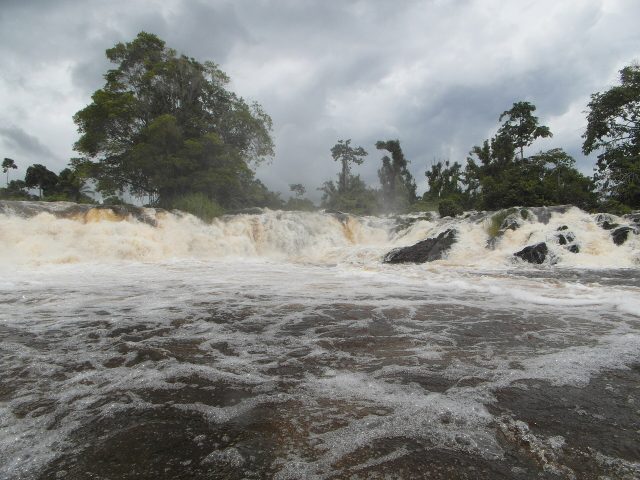
Beyond the beach, the rainforest begins almost immediately, dense and mysterious. Hidden within it are small villages and waterfalls, the most famous being Lobe Falls, where a river cascades directly into the ocean. The journey there is part of the experience—whether by motorboat along the coast or on foot through forest trails. The waterfall itself is striking, its waters so clear they seem to merge with the sky. Locals consider the area sacred, and it’s not uncommon to stumble upon traditional ceremonies being performed along the riverbanks.
Evenings in Kribi belong to the ocean. As the sun sets, fires are lit along the shore, and the sound of music drifts through the air—drums, guitars, and the rhythmic beats of makossa, a genre born along this stretch of coast. The music blends seamlessly with the sound of waves, creating an atmosphere that feels both lively and serene. Sometimes, impromptu performances spring up on the sand, with musicians singing about love, the sea, and distant lands under the stars.
This isn’t a place for luxury or entertainment. There are no five-star hotels, no restaurants with multilingual menus, no nightclubs. What Kribi offers instead is something simpler: the raw beauty of the ocean, the quiet hum of daily life, and the sense that time moves differently here. The beach remembers the footsteps of fishermen and traders, the sand holds the warmth of the sun, and the only sounds breaking the silence are the cries of gulls and the steady rhythm of the waves. It’s Africa without the gloss—unfiltered, unhurried, and deeply alive.