Campo Ma’an National Park lies where Cameroon’s southern rainforests spill into the Atlantic, a stretch of land where the wild still feels untouched. There are no crowds here, no resort towns, no neatly packaged experiences—just the quiet hum of an ecosystem that has thrived for centuries without much interference from the outside world. The park sprawls from the coast inland, where rivers carve through hills and the forest grows so dense it seems to swallow sound. It’s the kind of place where you can spend days without seeing another soul, save for the occasional local hunter or a researcher tracking some elusive species.
This isn’t just a park—it’s part of a larger biosphere reserve, a patchwork of mangroves, equatorial forests, and even pockets of savanna. That variety makes it a haven for wildlife found nowhere else. Forest elephants move through the undergrowth in small herds, their presence announced only by the snap of a branch. Black-and-white colobus monkeys chatter in the canopy, their calls echoing through the trees. Birds with plumage like scattered jewels dart between the leaves, while rivers and swamps hide crocodiles and manatees. Offshore, dolphins sometimes surface in the waves, though they’re never guaranteed.
The land has always been lived on, long before it became a park. Indigenous groups like the Bantu and pygmy communities relied on these forests for food, medicine, and shelter, treating them as sacred spaces. When Cameroon gained independence, the government recognized the area’s ecological importance, and in 2000, Campo Ma’an was officially designated a national park. But protecting it has never been easy. Poaching, illegal logging, and encroaching farmland remain constant threats, and much of the park’s interior is still poorly studied. Even now, it feels like one of Central Africa’s last truly wild places.
Visiting Campo Ma’an isn’t like touring a manicured nature reserve. There are no paved trails, no visitor centers, no signs pointing out landmarks. Most travelers base themselves in Kribi, the nearest town, where basic guesthouses and roadside eateries offer a place to rest before heading into the park. From there, the journey takes hours—first by car or boat, then on foot or motorbike along rough tracks that dissolve into the forest. The last stretch is always the hardest, with mud, roots, and sudden downpours turning the path into an obstacle course.
The park has a few established routes, but none are easy. The forest is thick, the air heavy with humidity, and the ground often slick underfoot. Leeches and mosquitoes are part of the experience, as are the sudden storms that turn trails into streams. But those who push through are rewarded with something rare: a glimpse of a world that hasn’t changed in generations. Nighttime brings its own magic—the forest comes alive with the calls of frogs, the rustle of unseen creatures, and the flicker of fireflies in the dark.
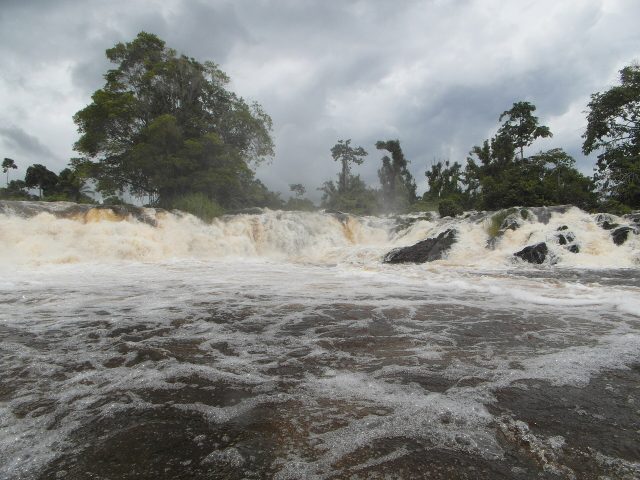
One of the park’s highlights is the Campo River, which cuts through the reserve before emptying into the ocean. Along its banks, small villages cling to the water’s edge, home to fishermen and hunters who know the land intimately. In the wet season, the river swells, flooding the surrounding forests, while in drier months, sandbars emerge, drawing flocks of birds. Locals sometimes act as guides, leading visitors to hidden waterfalls or quiet clearings where elephants come to drink. Their knowledge of the terrain is invaluable—without them, the forest would feel even more impenetrable.
This isn’t a place for those who expect convenience. There are no souvenir shops, no guided tours with set itineraries, no promises of wildlife sightings. Campo Ma’an demands patience, respect for local customs, and a willingness to adapt. The weather, the wildlife, even the people—everything here operates on its own rhythm. For some, that’s frustrating. For others, it’s the whole point. The park doesn’t cater to tourists; it simply exists, indifferent to whether anyone shows up.
In recent years, more researchers and eco-tourists have started to take notice of Campo Ma’an, drawn by its biodiversity and remoteness. But it remains largely unknown outside Cameroon, and that’s probably for the best. The fewer people who come, the longer the forest can stay as it is. For those who do make the journey, the park isn’t just another destination—it’s a reminder of what the world used to be like. Time moves differently here. The rules are set by the land, not by visitors. And that, in the end, is what makes it worth the effort.