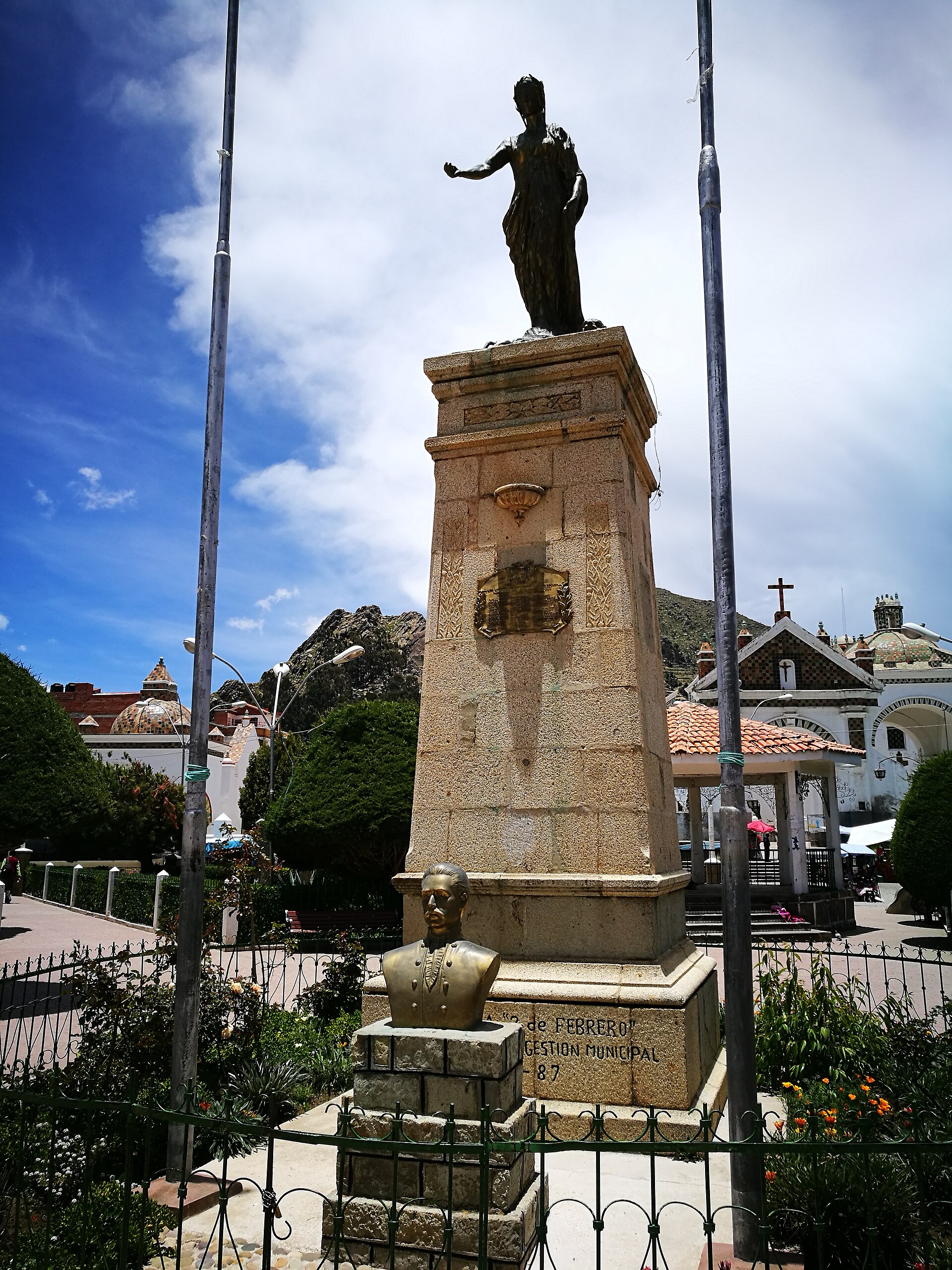
Copacabana’s beach is where Lake Titicaca blurs into the sky, its shoreline a quiet meeting point of water, wind, and the ancient slopes of the Andes. There are no crashing waves here, just the steady lap of cold, clear water against the sand, and the occasional cry of a gull cutting through the stillness. The town of Copacabana, stretched along the lake’s edge, has long been a gateway for travelers drawn to these sacred waters, and the beach itself feels like the heart of the place—where the land’s history, its people’s faith, and the rhythm of daily life all come together.
Lake Titicaca is one of the highest navigable lakes in the world, its surface shimmering at nearly 3,800 meters above sea level. The water is always cold, holding the memory of civilizations that thrived here long before the Spanish arrived. The Incas considered the lake a sacred place, and local legends say it was here that the first people emerged from its depths, sent by the gods. The beach at Copacabana isn’t just a stretch of sand; it’s a fragment of that story, where the past feels close enough to touch.
The town moves to the pace of the lake and the mountains. In the early morning, the beach is empty except for fishermen preparing their boats, their voices low as they check nets and oars. By midday, the shore fills with life—locals wading into the water or sitting on the rocks, children playing near the edge, and visitors wandering down from the basilica after paying their respects to the Virgin of Copacabana. The beach becomes a gathering place, where women sell grilled trout and steaming ears of corn, and old men sit on benches, watching the water as if waiting for something only they can see.
The architecture of Copacabana is inseparable from its spiritual role. The white basilica dominates the town, its mosaic facade of the Virgin Mary visible from almost anywhere along the shore. The beach, though, is where the sacred and the ordinary coexist without tension. Pilgrims come here to dip themselves in the lake’s icy waters, believing in its healing power, while tourists stand beside them, snapping photos of the sunset or simply staring out at the horizon. There’s no grand spectacle, just the quiet understanding that this place has always been more than just a stop on a map.
The water in Lake Titicaca is never warm, even in the height of summer. Swimming here is less about pleasure and more about ritual—a quick, respectful immersion in a body of water that sustains the people who live along its shores. For outsiders, the cold can be a shock, and the altitude makes even a short swim feel like an effort. But those who do step in often describe a strange lightness, as if the lake really does carry some kind of energy, something older than the town itself.
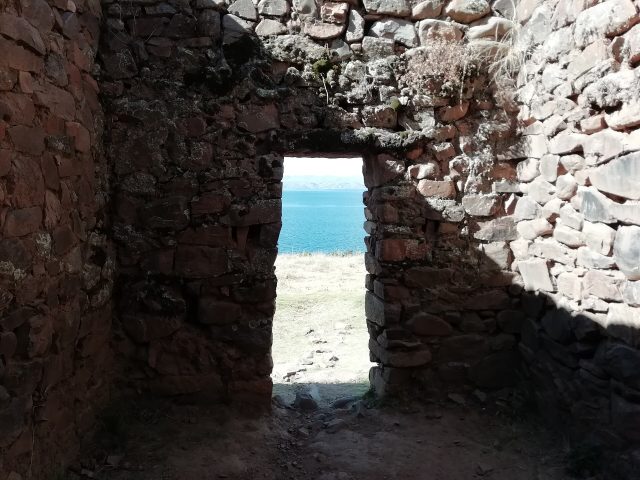
Beyond the beach, the lake offers more than just stillness. From Copacabana, boats depart for the islands of the Sun and the Moon, places where the Incas built temples and terraced fields that still stand today. The island of the Sun, in particular, is said to be where the sun god Inti first rose, and its ruins feel suspended in time, as if the past is still alive in the stones. Many travelers return to the beach after visiting these islands, drawn back to the shore to sit and watch the water, as if trying to absorb everything they’ve just seen.
As evening falls, the beach empties but doesn’t quiet. The lights of the town reflect on the lake’s surface, and a thin mist often rises, softening the edges of the landscape. Sometimes, a group of musicians will gather near the water, their guitars and flutes blending with the sound of the waves. In those moments, Copacabana feels like a place where time moves differently—slower, deeper, as if the lake itself sets the pace.
For most visitors, the beach isn’t the main attraction, but it’s often where they end up feeling the strongest connection to the place. There are no luxury resorts or crowded bars here, just the open space of the shore, the vastness of the lake, and the sense that this is a corner of the world where people and nature have found a way to exist side by side. Maybe that’s why some come back—not for the scenery, but for the quiet understanding that this lake, this beach, this town, has a way of making everything else feel a little farther away.