Copacabana’s small archaeological museum is one of those quiet places where history feels close enough to touch, untouched by the usual tourist crowds. Tucked away in the heart of the town, just steps from the shores of Lake Titicaca, it doesn’t overwhelm with size or spectacle. Instead, it offers a thoughtful collection of objects that tell the story of people who lived here long before the Spanish arrived. The building itself is part of that story—a modest structure that has served many purposes over the centuries, from colonial administrative offices to a 19th-century school.
Inside, the exhibits unfold across a few rooms, each dedicated to a different era. The oldest artifacts date back to pre-Columbian times, when the lake and its shores were home to cultures that revered the sun and water as divine forces. The displays include pottery, stone tools, and ornaments made from shells and bone, all unearthed from nearby burial sites and settlements. What stands out are the clay figurines—simple in form but expressive, capturing the essence of people and animals with a few deliberate lines. There’s a sense of intimacy in these objects, as if the hands that shaped them were more concerned with meaning than perfection.
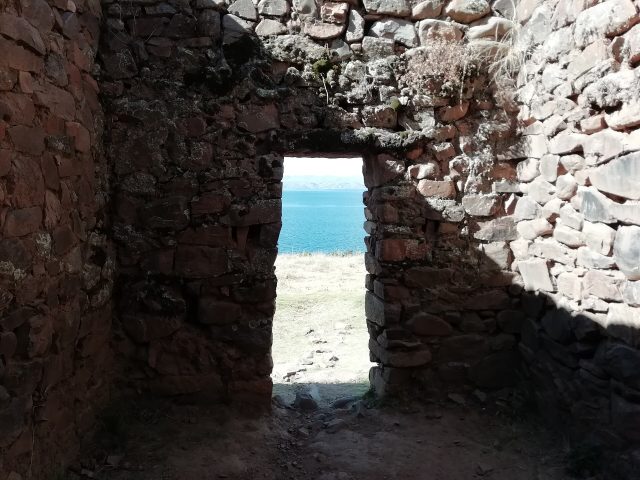
A separate section focuses on the Inca period, when the empire expanded into this region in the 15th century. Here, you’ll find fragments of textiles, bronze and silver items, and everyday tools that show how the Inca adapted local traditions to their own needs. Many of these artifacts were discovered on the Island of the Sun, just a short distance from Copacabana, which the Inca considered sacred. The island still holds the ruins of temples and terraces, and the museum includes models that help visualize what these structures looked like at the height of the empire. It’s a reminder of how deeply the Inca understood the landscape, shaping it to reflect their beliefs.
The arrival of the Spanish in the 16th century brought dramatic changes, and the museum doesn’t shy away from this chapter. One room displays colonial-era items: crucifixes, church vessels, and documents written in Spanish and Quechua. Old maps show Copacabana already marked as an important religious center, famous for its statue of the Virgin Mary, said to have been found in a local cave. The statue still draws pilgrims today, and the museum offers a glimpse into how Christianity merged with indigenous beliefs, creating a unique cultural blend. The objects here aren’t just relics; they’re evidence of how faith and tradition evolved under new influences.
Later exhibits shift to the daily lives of indigenous communities in the 19th and 20th centuries. Tools for weaving, clay pots, and musical instruments made from gourds and wood reveal how people maintained their way of life despite outside pressures. Photographs from the early 1900s show locals in traditional clothing—bright, geometric patterns that women in the Aymara community still wear today. These aren’t just artifacts; they’re fragments of a living culture, passed down through generations.
What makes this museum special is its lack of pretension. There are no crowds, no pushy guides, no pressure to rush. The building itself feels like a quiet witness to history, with its thick walls, wooden beams, and narrow windows that let in soft, diffused light. In some rooms, traces of old murals or plaster hint at the layers of time embedded in the walls. It’s the kind of place where you can linger over a single object, letting your imagination fill in the gaps.
A visit here pairs well with exploring Copacabana itself. The town is small enough to wander in an afternoon, from the basilica housing the revered Virgin Mary statue to the local market, where vendors sell everything from fresh trout to handwoven textiles. The waterfront offers a view of Lake Titicaca’s unusual blue-green waters, with the islands in the distance, accessible by boat. The museum serves as a quiet anchor, offering context to the town’s present by revealing its past.
It’s worth noting that the museum’s hours can be flexible, so checking ahead is a good idea. The entry fee is modest, and the exhibits aren’t overwhelming, making it accessible even to those who don’t consider themselves history buffs. The key is to take your time. Copacabana isn’t a place for rushing—time moves differently here, slow and steady like the lake’s currents. The museum doesn’t just tell a story; it invites you to step into it, to feel the weight of centuries in the quiet hum of the rooms.