Durrës Beach is one of those places where the Adriatic Sea meets the shore with a quiet persistence, as if it has been doing so for centuries and will continue long after visitors have left. The coastline here stretches for miles, a gentle curve of sand and pebbles that feels both vast and intimate. Unlike the dramatic cliffs or hidden coves found elsewhere along Albania’s coast, this beach is open and unassuming, a place where the horizon seems to stretch just a little further than the eye can follow. The water is usually calm, its surface reflecting the shifting light of the sky, whether it’s the soft gold of early morning or the deep blue of late afternoon.
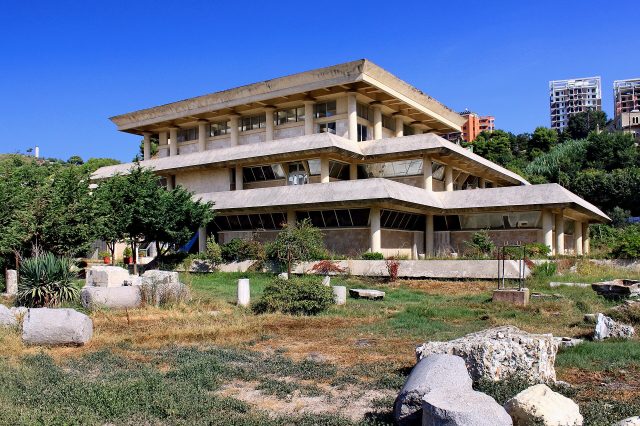
The history of Durrës itself is layered into the very ground beneath the sand. This is one of the oldest continuously inhabited cities in Europe, founded by Greek colonists in the 7th century BC, and its past lingers in the ruins scattered just beyond the beach. The ancient amphitheater, barely a ten-minute walk from the shore, is a reminder that this stretch of coast has seen empires rise and fall—Illyrians, Romans, Byzantines, Venetians, and Ottomans all left their mark here. Even the beach, though now a place of leisure, was once a strategic point, a gateway for trade and conquest. Walking along the promenade, it’s easy to imagine the ships that once docked in the harbor, carrying goods and stories from across the Mediterranean.
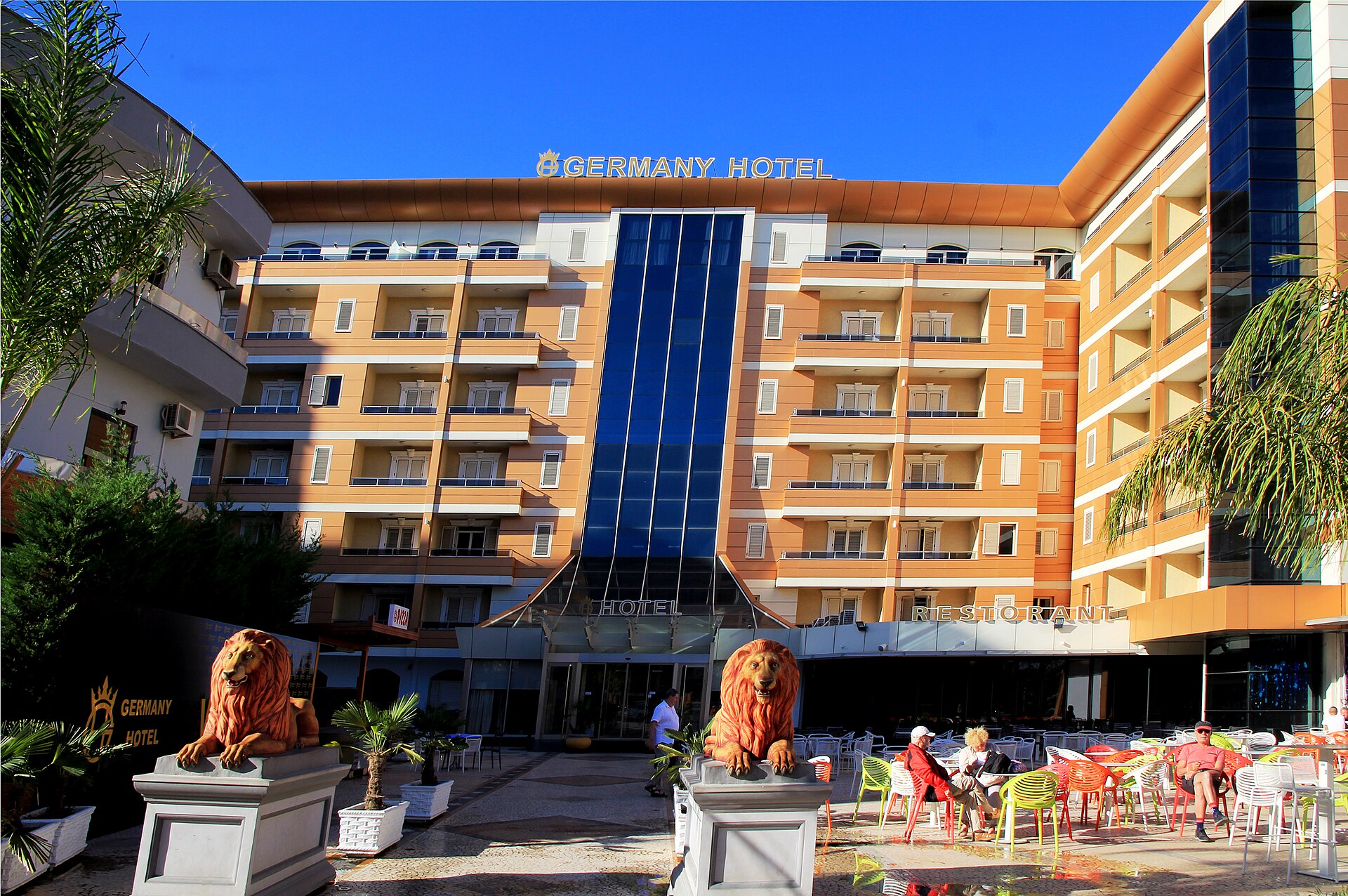
The beach itself is a mix of public and private sections, with the latter often belonging to hotels and beach clubs that line the shore. The public areas are simple and unadorned, with rows of sun loungers and umbrellas that fill up quickly in the summer months. There’s no grand design here, no carefully curated aesthetic—just the straightforward functionality of a place meant for swimming, sunbathing, and the occasional game of beach volleyball. The sand is fine in some spots, coarse in others, and the pebbles near the water’s edge can be a bit rough underfoot, but that’s part of the charm. It’s a beach that doesn’t try too hard to impress, and in that way, it feels honest.
The atmosphere shifts depending on the time of year. In the height of summer, the beach is lively, filled with the sounds of children playing, vendors selling fresh fruit and cold drinks, and the occasional blare of music from a nearby café. The promenade behind it buzzes with activity, lined with small restaurants serving grilled seafood and cold beer, their tables spilling out onto the pavement. But come September, the crowds thin out, and the pace slows. The sea is still warm, the sun still strong, but the beach takes on a quieter, more reflective mood. By October, it’s almost empty, save for a few locals taking their last swims of the season or fishermen casting their lines from the shore.
One of the most striking things about Durrës Beach is how it blends into the fabric of the city. Unlike resort towns where the beach feels like a separate, almost artificial space, here it’s just another part of daily life. Locals come down to walk their dogs, meet friends, or simply sit and watch the waves. In the evenings, the promenade becomes a gathering place, with families strolling along the shore as the sun sets over the water. There’s no strict division between the beach and the city—just a gradual transition from sand to pavement, from the rhythm of the waves to the hum of urban life.
The water here is usually clean and clear, though it can get a bit murky after a storm or when the winds pick up. Swimming is safe, with no strong currents to worry about, though the depth increases gradually, making it suitable for both children and adults. The beach is also a popular spot for fishing, with small boats often seen just offshore, their nets catching sardines and anchovies that later appear on dinner plates across the city. In the early morning, the shore is dotted with fishermen casting their lines from the rocks, their silhouettes framed against the rising sun.
Durrës Beach isn’t the kind of place that makes it onto glossy travel brochures or Instagram feeds with carefully staged shots. It’s not pristine or untouched, and it doesn’t offer the kind of luxury that some travelers seek. Instead, it’s a working beach, a place where life unfolds in its most ordinary and yet most essential forms. There are no grand monuments here, no famous landmarks—just the sea, the sand, and the steady pulse of a city that has seen thousands of summers come and go. For those who visit, it offers something simpler: a chance to slow down, to let the rhythm of the waves set the pace, and to feel, if only for a little while, like a part of something much older and larger than themselves.