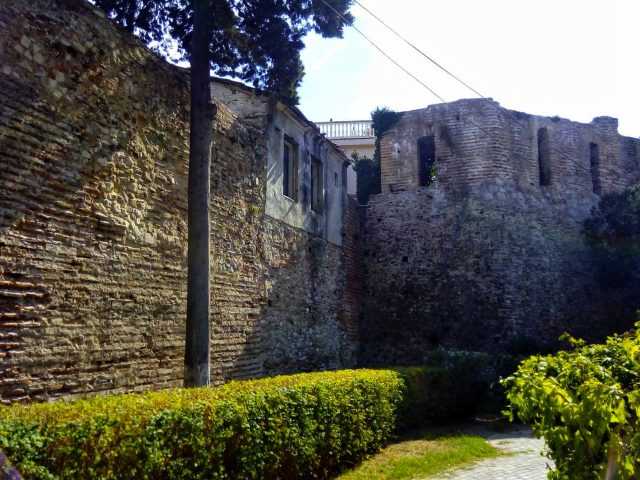
Perched on a gentle rise in the heart of Durrës, the castle walls overlook the Adriatic with the quiet authority of a place that has seen empires rise and fall. There are no soaring turrets or dramatic battlements here—just thick, weathered stone that speaks of practicality, of a city that needed protection more than grandeur. For centuries, Durrës was the gateway between East and West, a crossroads where trade routes converged and armies clashed, and the castle was its steadfast guardian.
The story begins long before the first stones were laid. Founded as the Greek colony of Epidamnos in the 5th century BCE, the city quickly became a vital port, its harbor bustling with merchants from across the Mediterranean. The Romans, who renamed it Dyrrachium, recognized its strategic value and fortified it further, but it was under Byzantine rule that the foundations of the castle as we know it took shape. Emperor Anastasius I, a native of the region, ordered the construction of massive walls in the 5th century to shield the city from invasions. These fortifications would later endure sieges by Goths, Slavs, and Normans, each leaving their mark on the stone.
What remains today is a patchwork of history. The most striking feature is the Venetian Tower, built in the 15th century when the Republic of Venice controlled the city. Squat and sturdy, with narrow slits for archers and thick walls designed to withstand cannon fire, it stands as a reminder of Durrës’ role in the vast trade networks that once linked the Balkans to the Mediterranean. Inside, the tower is hollow, its empty chambers echoing with the ghosts of sentries and traders. The rest of the castle walls snake along the hillside, their path dictated by the land rather than any grand design. Some sections have crumbled, others have been restored, but even in fragments, they convey the scale of the original fortress.
Walking along the northern wall offers a striking contrast between past and present. Below, the modern city sprawls—a tangle of cranes, fishing boats, and half-finished buildings where the old and new collide. The castle itself is a place of quiet reflection. There are no flashy exhibits or guided tours here, just the raw, unfiltered weight of history underfoot. The stones remember the footsteps of Byzantine emperors, Ottoman pashas, and Venetian merchants, their stories etched into the very fabric of the place.
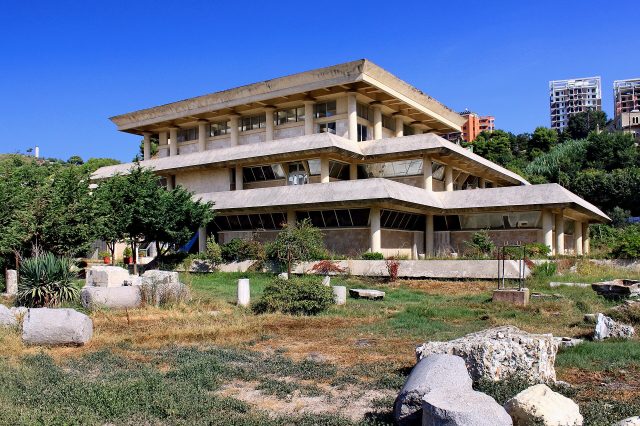
Durrës is a city of layers, and the castle is just one of them. Nearby, the Roman amphitheater, one of the largest in the Balkans, lies partially unearthed, its grassy tiers a far cry from the roaring crowds that once filled them. The archaeological museum holds relics from every era—Greek coins, Byzantine mosaics, Ottoman pottery—each piece a thread in the city’s long tapestry. Together, they create the sense that Durrës is less a city than an open-air museum, where history isn’t confined to plaques or glass cases but spills into the streets.
The best way to experience the castle is simply to wander. There’s no need for a scripted itinerary; the place reveals itself slowly, in the play of light on stone or the way the wind carries the scent of salt from the sea. Early mornings and late afternoons are ideal, when the sun casts long shadows and the heat of the day has faded. In those moments, it’s easy to imagine the city as it once was—a thriving port where ships from Venice, Constantinople, and beyond docked in its harbor.
What makes the castle special is its lack of pretension. It isn’t a relic frozen in time but a living part of the city. Locals stroll along the walls, children play in the ruins, and couples linger in the shade of the Venetian Tower. There’s no barrier between the past and the present here; the castle exists as it always has, a silent witness to the ebb and flow of life in Durrës.
The city itself is a study in contrasts. Ancient walls stand beside modern apartment blocks, and the hum of traffic mixes with the cries of seagulls. Yet for all its changes, Durrës retains a sense of continuity. The castle, with its weathered stones and unassuming presence, is a reminder that history isn’t something that happened long ago—it’s happening still, in the way the light falls on the ruins at dusk or the way the sea breeze lingers in the air. It’s a place where the past isn’t just remembered; it’s lived.