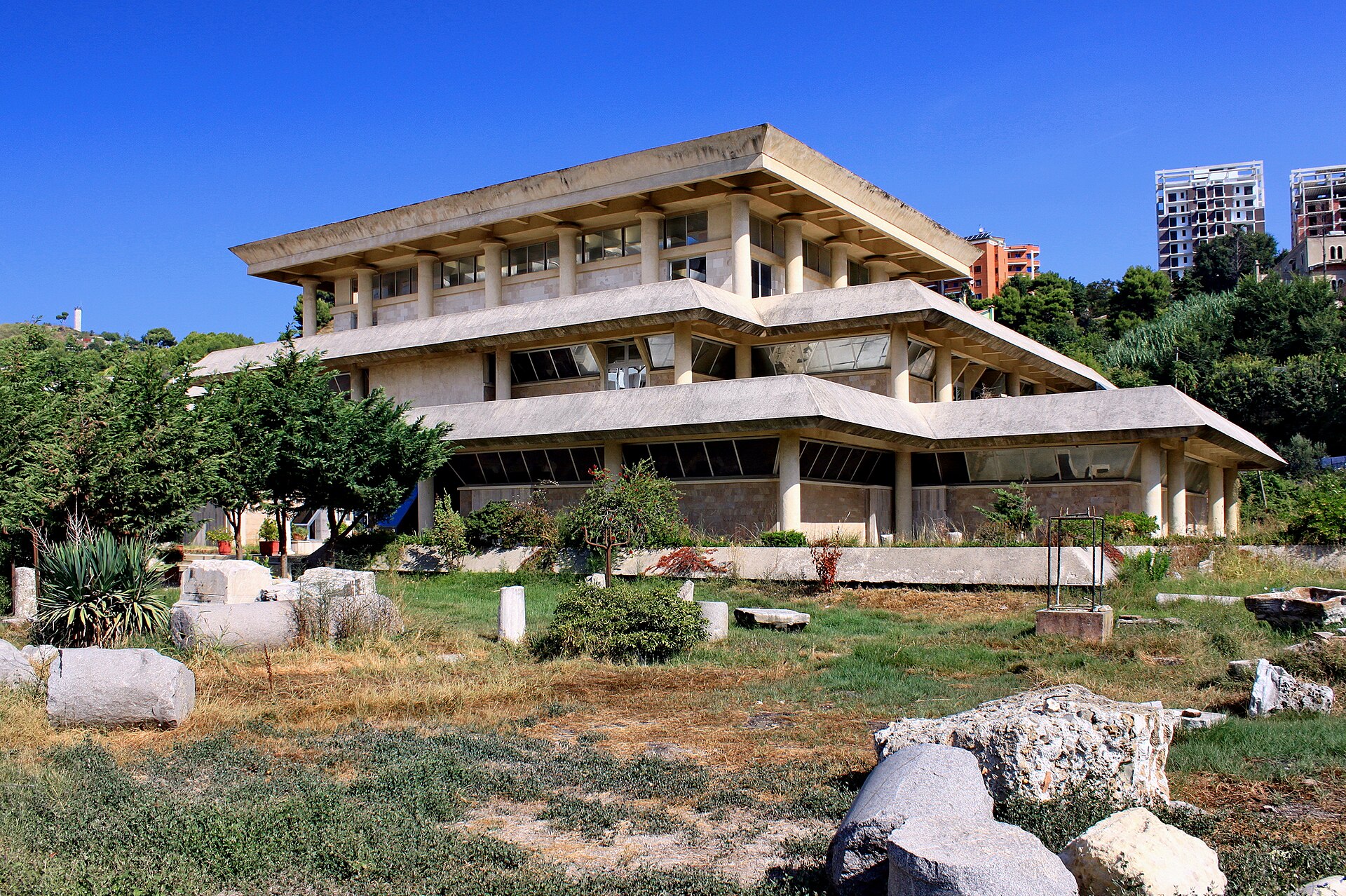
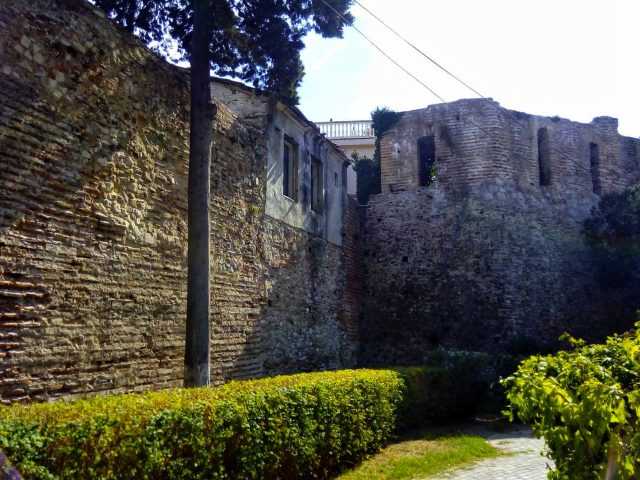
Durrës is one of Albania’s oldest cities, a place where layers of history are stacked like the stones of its ancient walls. The Archaeological Museum here doesn’t just display artifacts—it unravels the story of a settlement that has been a crossroads for empires, a port for traders, and a silent witness to centuries of change. Housed in a modest building near the waterfront, the museum might not look imposing from the outside, but inside, it holds fragments of a past that shaped not just Albania, but the wider Mediterranean world.
The collection begins with the Illyrians, the people who first settled this stretch of coast around the 7th century BCE. Their pottery, tools, and jewelry reveal a society deeply connected to the sea, trading with Greek colonies and adapting foreign influences into their own culture. One of the most striking pieces is the collection of terracotta figurines, small but expressive, showing how everyday life and religious beliefs intertwined. These objects weren’t just decorative—they were offerings, talismans, or perhaps even toys, left behind in graves or sanctuaries.
By the 4th century BCE, Durrës—then known as Epidamnos—had grown into a thriving Greek colony. The museum’s exhibits from this period include coins stamped with the city’s name, amphorae used to transport wine and olive oil, and fragments of inscriptions that hint at political alliances and civic pride. The most famous artifact from this era is the so-called "Epidamnos Decree," a stone slab inscribed with a treaty between the city and its mother colony, Corfu. It’s a rare surviving document of diplomacy from a time when cities operated like independent states, forging and breaking agreements as fortunes shifted.
When the Romans took control in the 2nd century BCE, they renamed the city Dyrrachium and turned it into a key military and commercial hub. The museum’s Roman section is rich with mosaics, statues, and everyday objects that show how thoroughly the city was integrated into the empire. The mosaics are particularly impressive—vibrant, intricate designs that once decorated the floors of wealthy villas. One depicts a scene from Greek mythology, another shows a hunting party, their details still sharp despite centuries underground. Nearby, a collection of surgical tools and glass vials speaks to the sophistication of Roman medicine, while coins bearing the faces of emperors trace the rise and fall of dynasties.
The Byzantine era left its mark in the form of religious artifacts, including delicate gold jewelry and fragments of frescoes. But perhaps the most poignant reminders of this period are the simple lead seals used by officials to authenticate documents. Each one is a tiny piece of bureaucracy, a sign of an empire that, even in decline, maintained its systems of control. The museum also holds a few early Christian relics, like a small marble baptismal font, a quiet testament to the spread of a new faith in a city that had long worshipped older gods.
What makes the Archaeological Museum in Durrës special isn’t just the age of its objects, but the way they connect to the city outside. The ancient walls that still stand near the waterfront, the Roman amphitheater hidden among modern buildings, the Byzantine churches tucked into quiet neighborhoods—all of these places echo the stories told within the museum’s walls. Walking through the exhibits, you begin to see Durrës not as a single city, but as many overlapping ones, each built on the ruins of the last.
The museum itself is unassuming, with no grand architecture or high-tech displays. The lighting is soft, the labels straightforward, and the artifacts often presented with minimal fuss. This simplicity can feel refreshing in an age of overproduced tourist experiences. There’s no need for dramatic reconstructions or interactive screens when the objects themselves are so eloquent. A child’s sandal, a merchant’s ledger, a soldier’s belt buckle—these things don’t need embellishment to speak of lives lived long ago.
Visiting the museum is also a reminder of how much of Albania’s history remains hidden. Many of the artifacts here were uncovered by chance—during construction projects, by farmers plowing fields, or by archaeologists following hunches. The country’s turbulent 20th century meant that systematic excavations were often interrupted, leaving countless sites unexplored. What’s on display is just a fraction of what might still lie beneath Durrës, waiting to be found.
For those who take the time to look closely, the Archaeological Museum offers more than a lesson in history. It’s a place to reflect on how cities endure, how cultures blend and clash, and how the past is never truly gone—just buried, until someone digs it up again. Whether you’re drawn by the mosaics, the coins, or the quiet stories of ordinary people, the museum leaves you with a sense that Durrës is still writing its history, one layer at a time.