The amphitheater in Durrës is one of those rare places where history isn’t locked away behind museum glass but lives on, woven into the fabric of a modern city. Built in the 2nd century AD, it once stood at the heart of Dyrrachium, a thriving Roman colony and one of the Adriatic’s most important ports. Today, its ruins sit almost in the center of Durrës, surrounded by apartment blocks, cafés, and the hum of everyday life. This unexpected blend of ancient and contemporary makes the amphitheater feel alive in a way few historical sites do—here, you can touch the past while still feeling the pulse of present-day Albania.
At its peak, the amphitheater could hold up to fifteen thousand spectators, who gathered to watch gladiatorial combats and theatrical performances. Carved into the slope of a hill, the arena was encircled by tiered seating, though only fragments remain today. Over the centuries, the site took on new roles: in the Middle Ages, it became a cemetery, and later, a refuge during raids. Archaeological excavations in the mid-20th century uncovered not just the stone steps and underground passages but also an early Christian chapel hidden within its walls, its mosaics still faintly visible. These layers of history remind you how much the past can hold within a single place.
Walking through the amphitheater, it’s easy to imagine the roar of the crowd, the echo of gladiators’ footsteps, and the distant murmur of the sea, which once carried ships to this bustling port. Durrës has always been a crossroads—a place where cultures collided and left their mark. Romans, Byzantines, Venetians, and Ottomans all shaped the city, and the amphitheater is one of the few surviving witnesses to that long, tangled story. Its walls are quiet now, but if you listen closely, the past doesn’t feel so far away.
The architecture is classic Roman, though with a few local twists. Unlike many amphitheaters built entirely from scratch, part of the seating here was carved directly into the hillside, giving it a more organic feel. The underground galleries, where gladiators and animals once waited before entering the arena, still hold traces of the mechanisms used for special effects during performances. Time and earthquakes have taken their toll, but even in its current state, the structure has a raw power that’s hard to ignore.
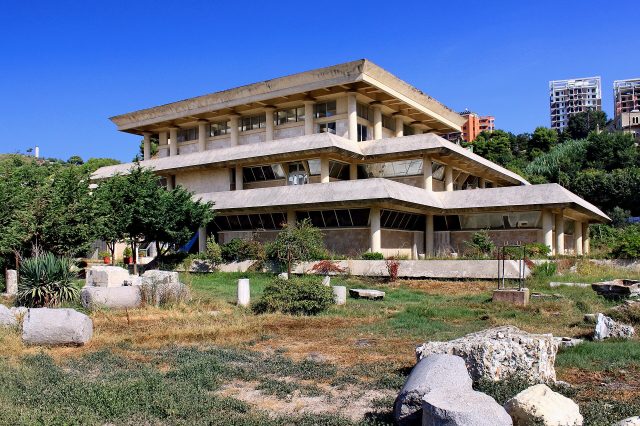
For centuries, the amphitheater was nearly forgotten. During the Ottoman period, houses were built over it, and it wasn’t until the 20th century that archaeologists began peeling back the layers of later construction. Today, it’s open to visitors, though it remains less known than other ancient sites in Europe. That’s part of its charm—there are no crowds, just the quiet space to wander and let the history sink in. A small museum nearby displays artifacts found during excavations: coins, pottery, fragments of statues, all hinting at the lives that once filled this place.
What makes the amphitheater in Durrës special isn’t just its age but the way it tells a story of constant reinvention. Here, you can see Roman arches alongside medieval graves, and even traces of the more recent past, when the site was absorbed into the city’s urban fabric. It’s a reminder of how quickly cities change and how fragile the past can be. Yet there’s something hopeful in the way people still find meaning here, two thousand years later.
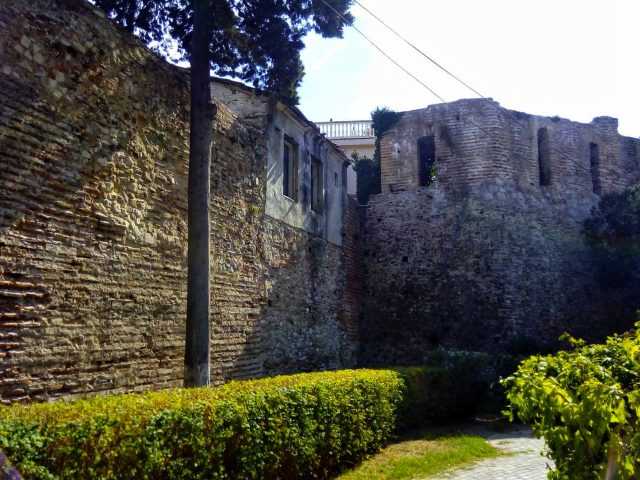
Visiting the amphitheater pairs well with exploring the rest of Durrës. The city itself is full of character, from its ancient fortress walls to the archaeological museum and the seaside promenade, where you can sip coffee with a view of the Adriatic. But the amphitheater is what gives Durrës its soul. It’s a quiet testament to the city’s past as a cultural hub, not just a trading post. The noise of the ancient world has faded, but if you look closely, you can still feel the breath of history in the stones.