Berenice Beach is one of those rare places where the desert and the sea meet without fanfare, as if nature itself decided to draw a clean line between two worlds. Tucked along Jordan’s only coastline in Aqaba, it feels far removed from the crowded resorts and manicured beaches that dominate so many coastal destinations. Here, the Red Sea stretches out in an unbroken expanse of blue, its surface so still at times that it mirrors the sky. The sand, fine and pale, runs in a smooth strip between the water and the low, sun-baked hills that rise just beyond. There are no rows of sunbeds, no beach bars blaring music—just the sound of waves lapping against the shore and the occasional cry of a gull overhead. It’s the kind of place where time seems to slow down, where the only urgency is deciding whether to wade into the water or simply lie back and watch the horizon.
The history of this stretch of coast runs deeper than the turquoise shallows might suggest. Long before it became a quiet retreat, the area was part of a bustling trade network that connected Egypt with Arabia and the Levant. The beach takes its name from Berenice, an ancient port city founded in the 3rd century BCE under the Ptolemies. Back then, these waters were alive with activity—ships unloading goods, merchants haggling on the docks, and vessels preparing for long voyages across the Red Sea. Today, little remains of that era beyond scattered references in historical texts, though if you look closely at the rocky outcrops near the shore, you might spot the faint outlines of old structures, worn smooth by centuries of wind and waves. The water here is so clear that on calm days, the remnants of ancient foundations can sometimes be seen just beneath the surface, a quiet reminder of the people who once passed through these same waters.
Unlike the more developed beaches in Aqaba, Berenice isn’t set up for convenience. There are no cafes, no rental shacks for snorkeling gear, no shaded loungers. It’s a place for those who prefer solitude over amenities, where the only distractions are the natural ones—the warmth of the sun, the coolness of the sea, the way the light shifts across the water as the day wears on. The sand is soft underfoot, almost powdery, and the water near the shore is so shallow that you can wade out dozens of meters without losing sight of the bottom. The drop-off is gradual, making it ideal for weak swimmers or anyone who just wants to float without a care. Further out, the coral reef begins, and with a mask and snorkel, you can glimpse the underwater world that thrives just below the surface—brightly colored fish darting between the corals, sea urchins clinging to the rocks, and if you’re lucky, a turtle gliding past.
What makes Berenice special is the way it sits at the edge of two landscapes. On one side, the desert rolls away in gentle dunes and rocky hills, their golden hues deepening as the sun moves across the sky. On the other, the sea stretches endlessly, its surface shifting from glassy calm in the morning to a shimmering expanse by midday. The contrast is striking—dry, sun-scorched earth giving way to water so clear it feels almost weightless. Mornings here are cool and quiet, the air still holding the night’s chill. By noon, the sand becomes too hot to walk on barefoot, and the only relief is in the water. As evening approaches, the light softens, painting the sky in shades of pink and violet, while the shadows of the hills grow long and jagged. It’s a place where the elements feel more pronounced, where the heat, the salt, and the wind all leave their mark.
Berenice doesn’t attract the same crowds as Aqaba’s more famous beaches. Even in peak season, you’re more likely to have a stretch of sand to yourself than to find yourself squeezed between other sunbathers. That’s part of its appeal—it’s a place for those who value quiet over entertainment, where the only soundtrack is the rhythm of the waves. If you do want a change of pace, the center of Aqaba is just a short taxi ride away. There, you’ll find bustling markets selling spices and handmade crafts, restaurants serving fresh seafood and traditional Jordanian dishes, and the Ottoman-era fort that overlooks the harbor. But after the noise and activity of the city, returning to Berenice feels like stepping back into a different world—one where the only agenda is the slow, unhurried passage of time.
The waters off Berenice are some of the cleanest in the Red Sea, largely because the area has escaped the industrial development and heavy shipping traffic that have affected other parts of the coastline. The coral reefs here remain in remarkably good condition, their vibrant ecosystems drawing divers and snorkelers from around the world. Unlike in more tourist-heavy locations, where reefs have been damaged by careless visitors, the underwater landscape here feels almost untouched. Even a casual snorkeler can drift over gardens of coral, their branches forming intricate patterns, while schools of fish weave between them. For those who prefer to stay closer to the surface, the clarity of the water means that much of this marine life is visible without even diving in.
There’s a sense of history here that goes beyond the ancient port of Berenice. The surrounding area is dotted with the ruins of old settlements, and if you walk north along the coast, you might stumble upon the remains of watchtowers and fortifications built by different civilizations over the centuries. Some were Roman, others Ottoman, all serving as defenses against pirates and raiders who once prowled these waters. Today, these crumbling structures stand as silent witnesses to the past, their stories left to the imagination. There are no signs or plaques to explain their significance—just the stones themselves, weathered by time, and the occasional fragment of pottery half-buried in the sand.
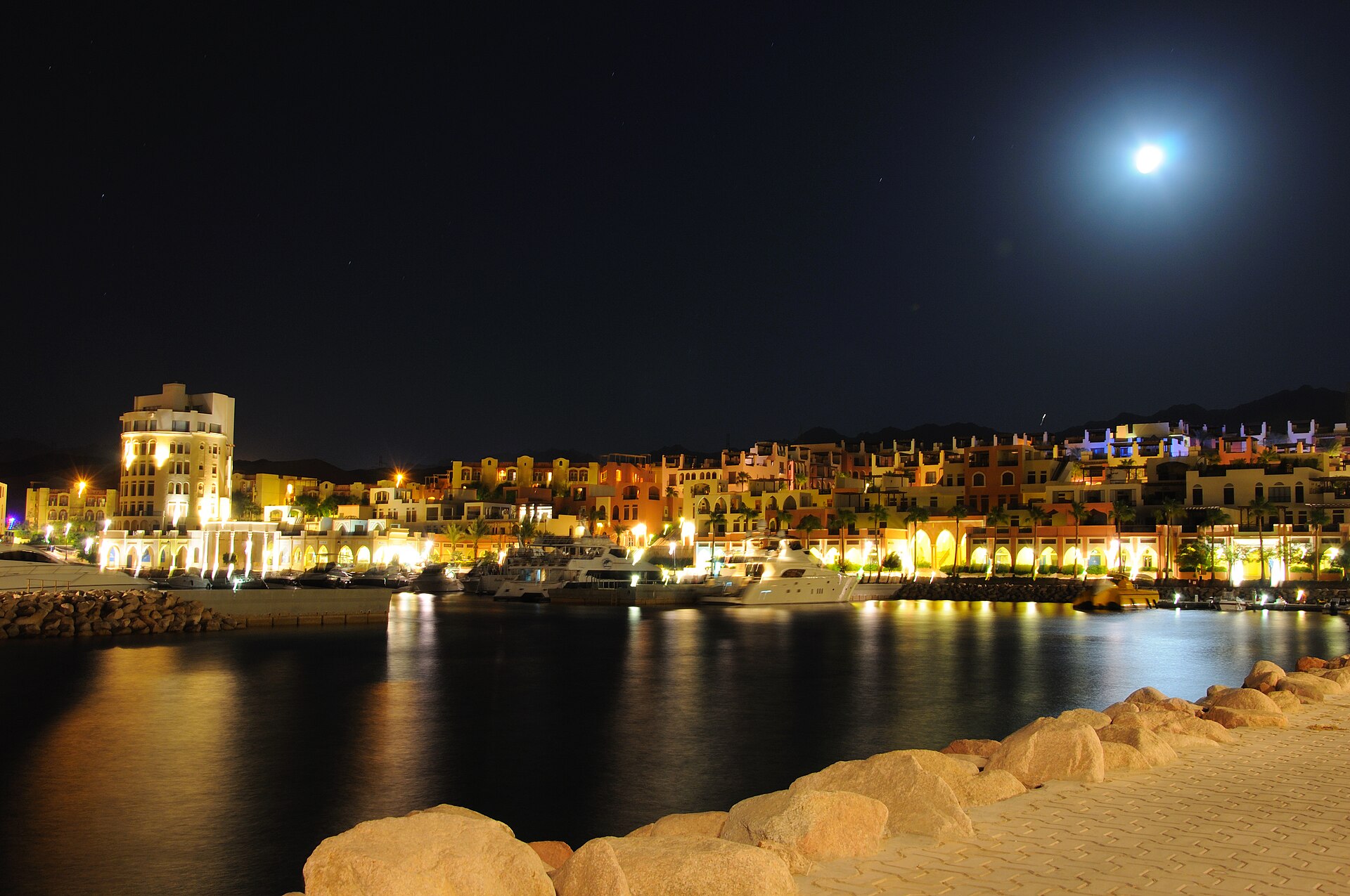
Nightfall transforms Berenice into something even more magical. As darkness settles, the sky fills with stars, their reflections dancing on the water’s surface. The only lights come from the distant glow of ships moving slowly across the Red Sea, their presence faint and unobtrusive. The air cools, carrying with it the scent of salt and seaweed, while the sound of the waves grows louder in the quiet. It’s a place where the boundaries between land and sea, past and present, seem to blur. There’s no need for distractions here—just the simple, enduring beauty of the natural world, and the quiet understanding that some places don’t need to be loud to leave a lasting impression.