Aqaba’s Marine Museum isn’t just a building filled with exhibits—it’s a quiet invitation to step into the underwater world of the Red Sea, where the history of Jordan’s only coastal city unfolds in layers of coral, shipwrecks, and time. Perched on the edge of the gulf, the museum traces the deep connection between Aqaba and the sea, a relationship that has shaped trade, culture, and even the city’s identity for centuries. Here, the past isn’t just preserved behind glass; it’s alive in the stories of ancient mariners, the silent bones of long-dead sea creatures, and the ongoing struggle to protect what remains.
The journey begins with the Red Sea itself, a body of water that was once part of the vast Tethys Ocean millions of years ago. Fossils of prehistoric marine life line the walls, offering a glimpse into how this narrow sea evolved, shifting with the movements of continents and the rise and fall of tides. But the real stars of this section are the corals—fragile, vibrant ecosystems that thrive in these warm, shallow waters. The museum doesn’t just display them; it lets visitors see them as they are in the wild, through photographs and footage that capture the slow, pulsing life of a reef. There’s a sense of wonder in realizing how much exists just beneath the surface, unseen by most who walk along Aqaba’s shores.
One of the most compelling parts of the museum is its focus on the sea as a highway for human history. Models of ships—from Phoenician trading vessels to Ottoman warships—reveal how Aqaba’s waters have been a crossroads for empires and merchants for thousands of years. The centerpiece is a partially reconstructed steamship that sank in the early 20th century, its rusted hull now encrusted with coral and home to schools of fish. The wreck is a reminder of how quickly nature reclaims what humans leave behind, turning disaster into something new. Nearby, artifacts recovered from the seabed—amphorae, anchors, and tools—hint at the lives of those who once sailed these waters, their stories now tangled in the currents.
Yet the museum doesn’t shy away from the challenges facing the Red Sea today. A dedicated section addresses the threats to its fragile ecosystems: pollution drifting in from shipping lanes, overfishing that depletes fish populations, and the slow creep of climate change, which bleaches corals and alters the sea’s chemistry. Interactive displays show how scientists monitor these changes, using sonar and underwater cameras to track the health of reefs. There’s a sense of urgency here, but also hope—visitors learn about marine protected areas and conservation efforts that aim to give the sea a fighting chance. It’s a sobering contrast to the earlier exhibits, a reminder that the same waters that sustained ancient civilizations now depend on modern stewardship.
For those who want to do more than observe, the museum offers hands-on experiences. A virtual diving simulator lets visitors "descend" into the depths, gliding past clownfish darting through anemones and sea turtles grazing on seagrass. Children and adults alike crowd around microscopes to examine coral polyps up close, their intricate structures suddenly visible. There’s even a chance to try piloting a remotely operated vehicle, a nod to the technology that helps archaeologists explore shipwrecks without disturbing them. These moments make the museum feel less like a static collection and more like a gateway to the sea itself.
That’s perhaps the museum’s greatest strength—it doesn’t just inform; it inspires action. Many visitors leave with a newfound desire to see the Red Sea for themselves, and Aqaba offers plenty of opportunities to do so. Just a short boat ride away, dive sites like the Cedar Pride wreck or the Japanese Garden teem with life, their coral walls alive with color. Snorkelers can float above shallow reefs, watching damselfish weave between brain corals, while more experienced divers might spot a reef shark patrolling the depths. The museum’s exhibits suddenly take on new meaning when you’re surrounded by the very things they describe—proof that the sea is still very much alive, still shaping the world above and below its surface.
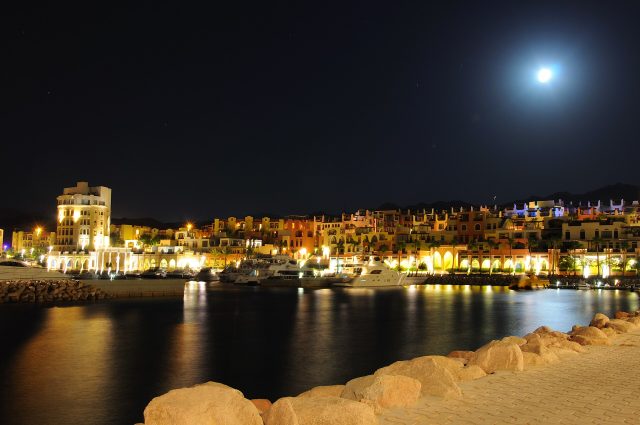
The building itself is unassuming, a modern structure with large windows that frame the gulf outside. From the terrace, the view stretches across the water to the port, where cargo ships and fishing boats bob alongside luxury yachts. In the late afternoon, the light softens, turning the sea into a sheet of hammered gold, and the distant hum of the city fades into the background. It’s easy to linger here, watching the water shift from turquoise to indigo as the sun dips below the horizon. The museum doesn’t need grand gestures to make its point; the sea does that on its own.
What stays with you after a visit isn’t just the knowledge of how the Red Sea was formed or how many shipwrecks lie off Aqaba’s coast. It’s the quiet realization of how deeply the sea is woven into the fabric of the place. For centuries, it has been a provider, a protector, and sometimes a threat—dictating where people settled, what they ate, and how they lived. The museum captures that duality: the beauty and the fragility, the history and the present. And when you step outside, the sea is right there, waiting. It doesn’t demand attention, but it’s impossible to ignore. After all, in Aqaba, the water isn’t just a backdrop—it’s the reason the city exists at all.