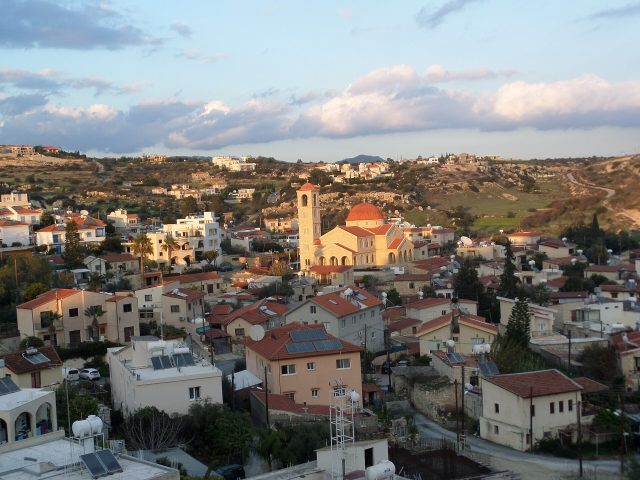
Agios Tychonas Beach is one of those quiet corners of Cyprus where the sea meets the land without fanfare. Tucked away near the small village of the same name, just a short drive east of Limassol, it feels a world apart from the island’s busier shores. There are no crowded promenades here, no rows of sunbeds pressed together, no music blaring from beach bars. Instead, the coastline is shaped by low rocky outcrops, a gentle slope into the water, and a silence broken only by the rhythm of the waves and the occasional cry of a gull.
This isn’t the kind of beach that makes it onto postcards or lists of must-see attractions. It doesn’t draw crowds, nor does it offer the usual amenities that come with more commercialized spots. The shore is a mix of fine sand and small pebbles, and the water is clear, with a faint turquoise tint in the early hours before the sun climbs too high. On clear days, the Troodos Mountains loom in the distance, appearing deceptively close even though they’re actually dozens of kilometers away. The effect is almost dreamlike, as if the landscape itself is playing with perspective.
The history of this stretch of coast is far from quiet. In ancient times, it was part of the territory of Amathus, one of Cyprus’s most important city-states. Archaeological evidence suggests that this was a place of trade and industry—fishing, salt harvesting, and commerce all thrived here. Later, during the medieval period, the area became a battleground as Byzantine, Genoese, and Venetian forces vied for control of the island. But over time, the wars and trade routes faded into the background, and the coastline gradually reverted to its natural state, as if the land itself had decided to forget the noise of the past.
Today, Agios Tychonas Beach is mostly frequented by locals and a handful of travelers who’ve heard about it through word of mouth or stumbled upon it while exploring the coast. There are no cafes, no sunbed rentals, no showers—just the sea, the shore, and whatever you bring with you. That said, the village of Agios Tychonas has a few small shops where you can pick up essentials, and nearby tavernas serve traditional Cypriot dishes if you’re willing to take a short drive. The lack of infrastructure isn’t an oversight; it’s part of the appeal. This is a place where you come to step away from the usual trappings of a beach holiday, not to find more of them.
The water here warms up early in the year. By May, it’s already comfortable for swimming, and by summer, it’s as warm as bathwater. August is particularly striking—the sea takes on a deep blue hue, and the sunsets paint the sky in shades of pink and orange. Even then, the beach remains peaceful. There are no rowdy groups or packed crowds, just the occasional family or couple enjoying the quiet. It’s the kind of place where you can spend hours without realizing how much time has passed.
For those who enjoy snorkeling, the waters off Agios Tychonas offer a modest but rewarding underwater experience. The marine life isn’t as diverse as in the island’s protected reserves, but it’s still worth exploring. In the clear water, you might spot small fish darting between rocks, crabs scuttling along the seabed, or even a sea urchin if you’re lucky. That said, the real draw isn’t so much what you’ll see beneath the surface as the feeling of being immersed in something untouched. The silence underwater is just as profound as the quiet above it.
Winter transforms the beach entirely. The waves grow rougher, the wind sharper, and the shore empties out. Locals rarely visit during the colder months, though some might come for a brief walk along the water’s edge. Even then, Agios Tychonas doesn’t lose its charm. The salt-sprayed rocks and the leaden sea create a mood that’s almost meditative, a reminder that nature, not people, dictates the rhythm here.
In recent years, little has changed around the beach. There are no new hotels, no flashy restaurants, no entertainment complexes—just the same quiet stretch of coast that’s been here for decades. That lack of development is precisely why it still feels so untouched. There are no crowds, no queues, no distractions, just the sea, the sun, and the slow, unhurried passage of time. For some, it might seem too simple, too unpolished. But for those who value stillness and authenticity, it’s exactly what a beach should be.