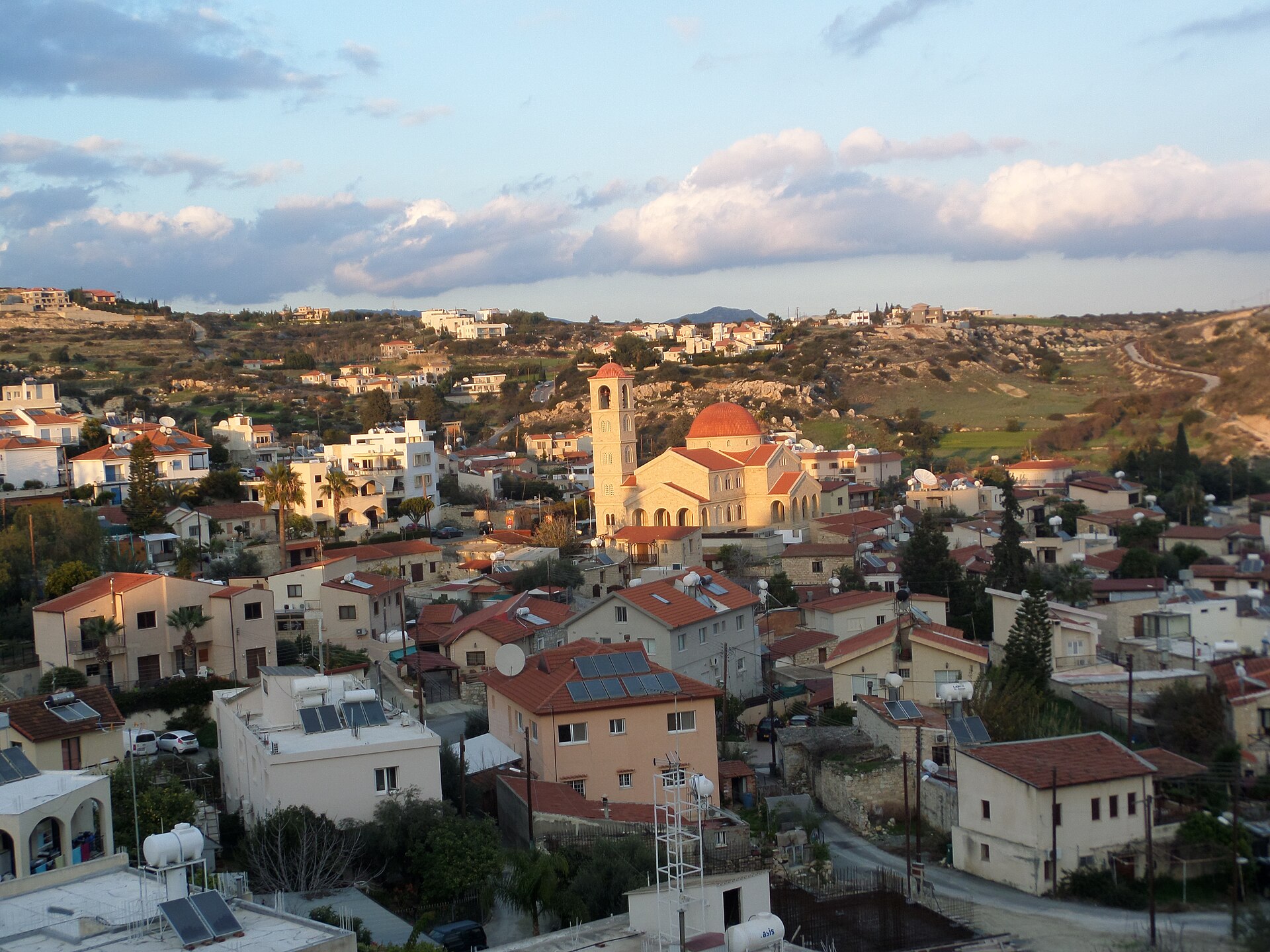
Perched on a gentle hillside, the Church of Saint Tychon feels like a quiet secret tucked away from the well-trodden paths of Cyprus. Unlike the ornate coastal churches with their gilded icons and bustling crowds, this place carries a different kind of presence—one of stillness, where even the midday heat softens under the cool embrace of its stone walls. Time seems to move slower here, as if the centuries have settled into the very foundations of the building.
The church is dedicated to Saint Tychon of Amathus, a revered figure in Cypriot history who lived during the fourth century. As bishop of Amathus, a small coastal town, he was known for his kindness and wisdom, and local stories still speak of his healing miracles and generosity toward the poor. Whether these tales hold truth or have blurred into legend over time, the church remains a place where people come to seek protection and solace, much as they have for generations.
The architecture is unassuming, reflecting the simplicity of rural worship. Built from local limestone, the church has a single nave with low vaults, its golden-hued stones weathered by time. Inside, the atmosphere is one of quiet devotion: a wooden iconostasis, a handful of aged icons, and the flicker of candles lit by visitors. There are no grand frescoes or marble columns here—just the quiet hum of history, as if the walls themselves remember the prayers whispered within them.
While the exact date of its construction remains uncertain, historians believe the church dates back to the Byzantine era, possibly the eleventh or twelfth century. Cyprus was then part of the Byzantine Empire, and Christianity had long taken root across the island. Many churches from this period were built in remote villages, serving not only as places of worship but as community hubs where disputes were settled, festivals celebrated, and traditions preserved. The Church of Saint Tychon likely played a similar role, a steady presence in the rhythm of daily life.
Surrounding the church is a small cemetery, its gravestones worn by time and weather. Some are so old that their inscriptions have faded beyond recognition, while others are more recent, each one a quiet testament to a life lived. There is no grandeur here, no elaborate memorials—just the same understated dignity that defines the church itself. It’s a place where people come not only to mourn but to reflect, to sit in the stillness and consider the passage of time.
The village of Agios Tychonas has changed little over the decades. There are no tourist traps or international restaurants, just narrow streets where children play and elderly residents sit outside their homes, watching the world go by. The church is woven into the fabric of this life, a place where locals gather on Sundays for services and where, on weekdays, a lone visitor might light a candle and stand in silent contemplation.
If you find yourself in this part of Cyprus, take a moment to step off the main road and climb the hill. Inside, you won’t find the dazzling artistry of larger churches or the weight of famous relics. What you will find is something rarer—a sense of continuity, of a place that has remained unchanged not by neglect, but by choice. Here, the spirit of Cyprus endures, not in the grand gestures of tourism, but in the quiet persistence of faith and community.