The Cyprus Wine Museum in Agios Tychonas is where the island’s layered history unfolds through the story of its oldest craft. Winemaking here isn’t just an industry—it’s a tradition that stretches back over five thousand years, woven into the land itself. The museum occupies a former winery, its thick stone walls and arched ceilings echoing the rhythms of generations who turned grapes into wine, not as a commodity, but as a way of life. There are no sterile displays here; instead, the past feels alive in the worn wooden presses, the clay fermentation jars, and the copper stills that once distilled zivania, the island’s fiery spirit. These tools weren’t just used—they were passed down, cared for, and put to work year after year, and even now, they look as though they could be pressed into service again with little more than a dusting off.
The building itself is a quiet testament to the island’s rural past. Constructed in the 18th or 19th century, it reflects the architecture of a time when winemaking wasn’t just an occupation but the backbone of entire villages. The heavy beams, the cool stone floors, the way the light filters through small windows—all of it speaks to a slower, more deliberate way of living. Inside, the exhibits aren’t roped off behind glass; they’re arranged as if the winemakers just stepped out for a moment. A massive wooden screw press, its surface darkened by decades of use, stands near a row of amphorae, their shapes familiar from ancient pottery shards found across the island. Nearby, a collection of copper cauldrons and distillation apparatuses hints at the labor-intensive process of making zivania, a drink so deeply tied to Cypriot culture that it’s often called the island’s "water of life."
One of the most striking displays is the museum’s collection of wine labels, gathered from across Cyprus. Each one tells a story—some modest, others grand. There are labels from long-forgotten family wineries in the Troodos Mountains, where small batches were made for personal use, and others from estates that once supplied wine to European courts. A few bear the names of vineyards that no longer exist, their legacies preserved only in these fragile slips of paper. Alongside them, old photographs and documents trace the evolution of Cypriot winemaking, from the days of manual labor to the introduction of modern techniques. Yet despite these changes, the essence of the craft remains intact, rooted in the same soil and the same sun that ripened grapes for millennia.
The museum isn’t just a repository of the past—it’s a place where tradition meets the present. Regular tastings offer a chance to sample not only well-known wines like Commandaria but also lesser-known varieties produced by small, family-run vineyards. Commandaria, in particular, deserves its reputation. One of the world’s oldest named wines, it’s mentioned in ancient Greek texts and was prized by medieval crusaders. Its rich, honeyed flavor, with notes of caramel and dried fruit, is like drinking history itself. But the island’s winemaking isn’t limited to sweet wines. Crisp whites made from Xinisteri grapes or robust reds from Mavro pair perfectly with Cypriot dishes like slow-cooked lamb or halloumi grilled over charcoal. The tastings aren’t formal affairs; they feel more like gathering in a friend’s cellar, where the conversation flows as freely as the wine.
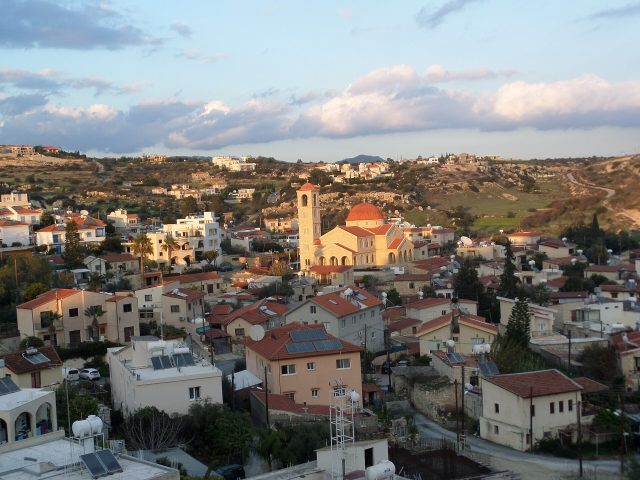
Agios Tychonas itself is a village that time seems to have gently set aside. Unlike the bustling resorts of Limassol or Paphos, it moves at its own unhurried pace. Narrow streets wind between houses with terracotta roofs, their walls often draped in grapevines. There are no crowds here, no neon signs—just the quiet hum of everyday life. The museum fits seamlessly into this setting, its unassuming presence inviting rather than demanding attention. It doesn’t need to shout to be heard; the stories it tells are compelling enough on their own. On Cyprus, wine has always been more than a drink. It’s a part of religious rituals, a symbol of hospitality, a thread connecting one generation to the next. The island’s relationship with wine dates back to the Bronze Age, and even now, no celebration is complete without it—whether it’s a wedding, a baptism, or simply a reunion of old friends.
The museum also sheds light on how deeply wine is embedded in Cypriot customs. One tradition, called *paliouri*, involves newlyweds making their own wine in the first year of marriage, then serving it to guests the following year as a symbol of their union. Another, *kouma*, sees godparents gifting a small barrel of wine to their godchild, to be opened on their 18th birthday. These rituals, along with many others, reveal how wine isn’t just consumed—it’s woven into the fabric of life, marking milestones and binding communities together. Sometimes, local residents visit the museum not just as tourists but as keepers of these traditions, sharing their own stories and memories. Their presence adds another layer to the experience, making it feel less like a curated exhibit and more like a living conversation.
September is an especially vibrant time to visit, when the island buzzes with the energy of the grape harvest. Villages fill with the scent of ripe fruit, and the air hums with the sounds of laughter and singing as workers gather the season’s yield. The museum becomes a hub of activity during this time, hosting workshops where visitors can try their hand at traditional winemaking. There’s something deeply satisfying about stepping into an old wooden press and crushing grapes underfoot, just as it’s been done for centuries. Even outside of harvest season, the spirit of the vintage lingers. The scent of oak from the barrels, the photographs of past harvests lining the walls—all of it serves as a reminder that winemaking isn’t just labor; it’s a celebration.
Beyond its historical exhibits, the museum is a place where creativity and tradition intersect. Contemporary artists inspired by wine culture often display their work here, and the space occasionally hosts concerts, poetry readings, or folk music performances. These events give the museum a dynamic, ever-evolving quality, proving that it’s not just a monument to the past but a living part of the present. Before leaving, most visitors stop by the small shop, where bottles of wine made using age-old methods sit alongside handcrafted souvenirs. It’s an unpretentious space, but the selection is thoughtful—each item feels like a piece of the island’s story, something to take home and savor long after the visit is over.
What lingers after a visit to the Cyprus Wine Museum isn’t just the memory of the exhibits or the taste of the wine. It’s the realization of how much care, patience, and passion goes into every bottle. Cypriot wine isn’t just a product; it’s a legacy, handed down through countless hands over thousands of years. The museum in Agios Tychonas is one of the few places where that legacy isn’t just observed—it’s experienced. Here, history isn’t something distant or abstract; it’s something you can hold in your glass, something that connects you, however briefly, to the generations who came before. And that, perhaps, is the most remarkable vintage of all.