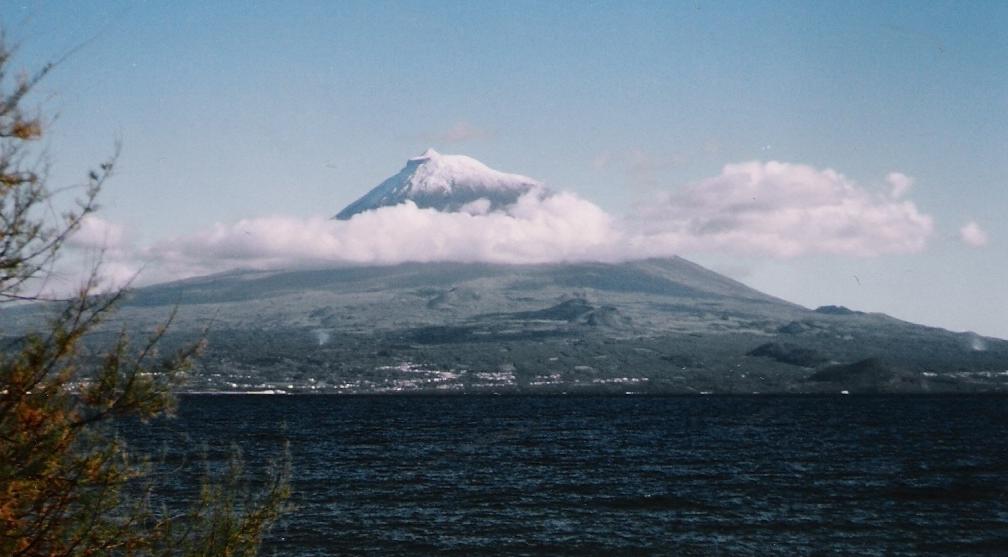
Pico is a place where the land rises sharply from the ocean, its dark silhouette cutting through the horizon even when the peak vanishes into the mist. The island is small, but its landscapes leave a lasting impression—black lava fields stretch across the earth, vineyards cling to the slopes of the volcano, and the Atlantic surrounds it all. There are no lush valleys here, only rugged terrain that feels untouched, as if shaped for those who seek quiet and solitude.
The island’s history is written in its soil and sea. Settlers arrived in the 16th century, drawn by the fertile volcanic earth and the promise of whaling. For generations, the hunt for sperm whales sustained the island, and traces of that era remain in the old whaling boats and tools still kept in some villages. But Pico’s true legacy lies in its vineyards. The vines grow directly on lava rock, shielded from the wind by low stone walls that crisscross the slopes like ancient veins. The wine produced here, particularly the verdelho, has earned a reputation far beyond the Azores, its flavor shaped by the island’s unique terroir.
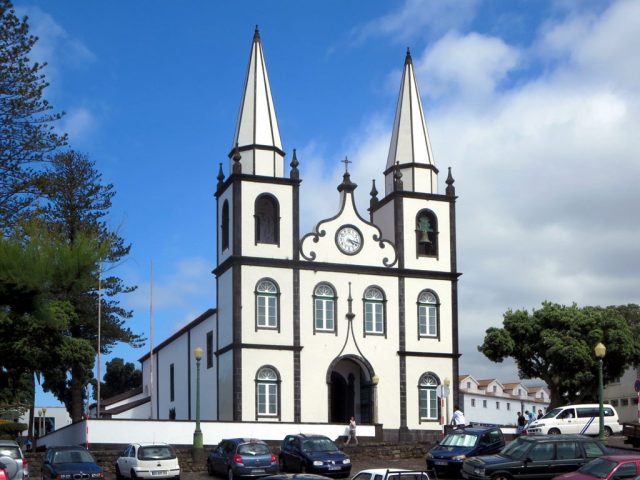
The architecture of Pico tells its own story. Houses were built from black basalt and wood, their low profiles and small windows designed to retain warmth against the island’s damp winds. Wine cellars resemble fortresses, with thick walls and heavy doors that seem to guard more than just barrels. In some villages, time moves differently—streets are quiet, life unfolds at its own pace, and the past feels closer than elsewhere.
In 2004, UNESCO recognized the island’s vineyards as a World Heritage site. The landscape is a patchwork of rectangular plots, each enclosed by walls of volcanic stone. These walls do more than protect the vines from the wind; they create a geometric pattern that stretches across the slopes, a testament to centuries of labor and care. At sunset, the black rocks glow, and walking through the vineyards feels like stepping into a slower rhythm, where time doesn’t rush but lingers.
The volcano itself is the island’s defining feature, Portugal’s highest peak at 2,351 meters. Climbing to the summit takes several hours, with views of the ocean and neighboring islands unfolding along the way. On clear days, the crater is visible from the top, and in rare moments, patches of snow remain even in summer. Locals speak of the volcano as if it were alive, its presence shaping not just the land but the way people live.
Life on Pico moves at its own pace. There are no crowded streets or hurried footsteps. Instead, people fish, tend their vineyards, and raise livestock. In the villages, elders sit outside their homes, children play in the lanes, and festivals blend tradition with simple joy—music, food, and young wine shared among neighbors. The wine festivals are especially worth experiencing, when cellars open to visitors and the island’s flavors take center stage.
The ocean is more than just a backdrop here. It dictates the climate, the rhythm of life, and even the character of the people. Fishing remains vital, and the local cuisine revolves around fresh seafood—grilled fish, octopus stews, and clams harvested from the surrounding waters. In summer, divers and snorkelers arrive to explore the rich underwater world, where volcanic formations create habitats for marine life. From the shore, it’s not uncommon to spot whales or dolphins breaking the surface, a reminder of the island’s deep connection to the sea.
Pico isn’t a place that overwhelms with spectacle. There are no grand attractions or bustling resorts, just a quiet persistence of life shaped by the land and water. The island has its share of guesthouses, cafes, and small shops, but the real draw is the atmosphere—the evenings spent by the shore, the walks through vineyards heavy with grapes, the conversations with locals over a glass of wine. It doesn’t offer the kind of vivid memories that demand to be photographed or shared. Instead, it leaves something quieter, a sense of peace that lingers long after you’ve left.