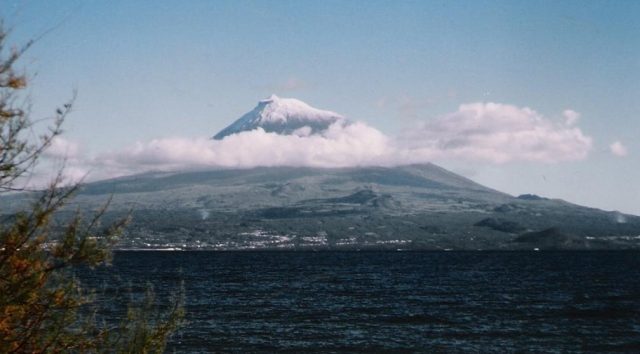
Time here slows to the rhythm of the ocean and the whisper of volcanic stone. The island is a volcano, its landscape shaped by ancient eruptions, but the raw power of the earth is softened by greenery. The park covers the lower slopes of Portugal’s highest mountain, where the air thins and the views stretch toward Faial and São Jorge. On clear days, the Atlantic seems endless, especially at dawn or dusk when light turns lava fields gold and crimson.
The park was created in the mid-20th century to stop soil erosion and restore native plants. It has since become a refuge for endemic species and others brought from elsewhere. Laurel forests, ferns, and groves of Japanese cedar—called cryptomeria here—grow from volcanic soil. The cedars stand out, their dark green against the black basalt beneath.
Pico’s fame comes from its wine. The park shows the island’s agricultural past through *currais*: low stone walls built without mortar from local basalt. These walls divide vineyards into small plots, their winding paths marking generations of labor. The vines that once grew here gave wines a minerality from the volcanic soil. Though no longer a working vineyard, the *currais* remain, a quiet marker of winemaking history.
The trails are uneven. Some climb gently, others descend, leading through thickets or opening onto ocean views. A few paths have signs about plants or geology, but there’s no need to stop. The real draw is the landscape—the light through the trees, the scent of damp earth, the flash of a bird between branches.
No cafes, no shops, no attractions. The park is for those who walk slowly, listen to the wind, or sit on a rock watching clouds drift over the mountain. Summer air is cooler than on the coast. Winter sometimes brings snow to higher slopes. Rain reveals its own magic: moss and pine, slick trails, mist softening the edges.
Pico is not like the other Azores islands. Fewer beaches, fewer crowds. Instead, it offers solitude and a connection to the land. Forest Park holds that spirit. Its beauty isn’t in grand vistas but in quiet persistence, in decades of reclaiming volcanic slopes.
If you visit Pico, don’t rush to climb the mountain. Walk through the park first. Let the landscape settle—the lava underfoot, light on leaves, waves breaking in the distance. The island is called the heart of the Azores not just for its place on the map. It’s the way the land feels alive, untamed, rooted in its history.