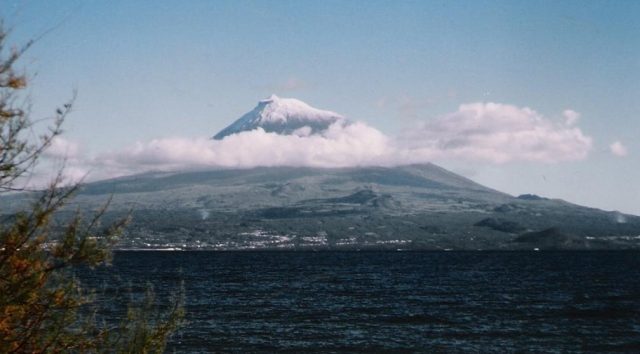
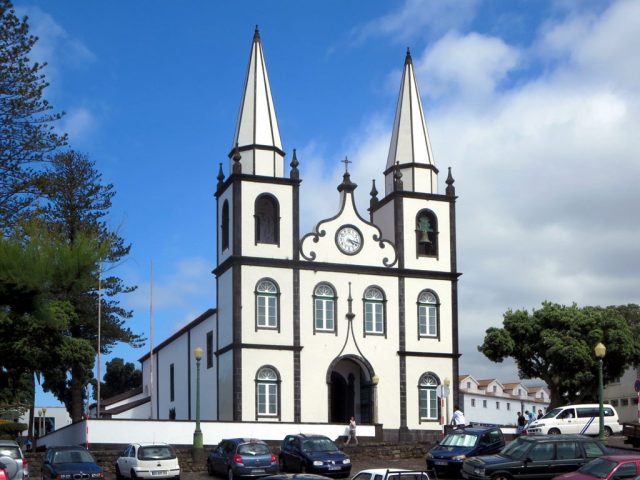
The Whaling Museum in Madalena sits in a former whaling workshop where history isn’t locked behind glass. The past clings to the grain of weathered wood, the salt-stiffened ropes, and the stories of men who once relied on the sea to survive. This was an era when whaling wasn’t just work—it was life for the people of Pico Island.
The building itself was once where crews butchered and rendered whale blubber. Its high ceilings and sturdy timber beams still smell faintly of salt. Large windows look out at the ocean—the same waters that brought both sustenance and danger. Inside, barrels for storing oil line the walls, yellowed maps trace old whaling routes, and a traditional whaleboat rests in the center. You can almost hear the shouts of men, the creak of oars, the tension of the hunt.
Whaling reached the Azores in the 18th century, introduced by American and European ships stopping for supplies. Local fishermen soon took up the practice, using small boats, hand-thrown harpoons, and brute strength to hunt sperm whales. Unlike industrial whaling fleets, Azorean whaling was small-scale but just as perilous. No mechanized harpoons, no factory ships—just men in open boats chasing creatures far larger than themselves. For generations, this was how families on Pico survived.
In spring and summer, when sperm whales migrated along the coast, men gathered on shore, preparing boats and waiting for signals from lookout towers on the hills. These towers still stand, scanning the horizon for the spout of a whale. When one was spotted, boats launched, oars dipping into the water as crews raced toward their target. The harpooner stood at the bow, ready to strike. If the harpoon hit, the struggle began—the whale could drag the boat for hours before exhaustion set in.
The museum also remembers the people who lived this life. Many started as teenagers, learning from their fathers and older brothers. Some hunted into old age, their hands calloused from hauling ropes, their faces weathered by sun and wind. Worn journals, faded photographs, and letters show lives spent at sea. These weren’t thrill-seekers—they were men doing what they had to do to provide for their families.
By the late 20th century, whaling in the Azores faded. Portugal joined the international moratorium in the 1980s, and the islands turned to tourism and fishing. Yet the legacy remained. The museum became a way to remember the past while showing how the islands changed. Today, visitors see whaling artifacts alongside exhibits on whale-watching, an industry that offers a different connection to the sea.
Walking through the museum, the weight of history is unavoidable. There’s no romanticizing—just the raw truth of whaling: the danger, the hardship, the physical toll. The exhibits show how deeply the people of Pico depended on the ocean. It gave them life, took it away, and shaped their culture in ways that endure.
The museum doesn’t judge. It presents the past and lets visitors decide for themselves. Madalena and Pico Island are places where the ocean defined everything—the rhythm of life, the work, the risks. The Whaling Museum doesn’t soften that truth. It shows the lives of those who faced the sea daily, who relied on it even as it demanded everything in return.