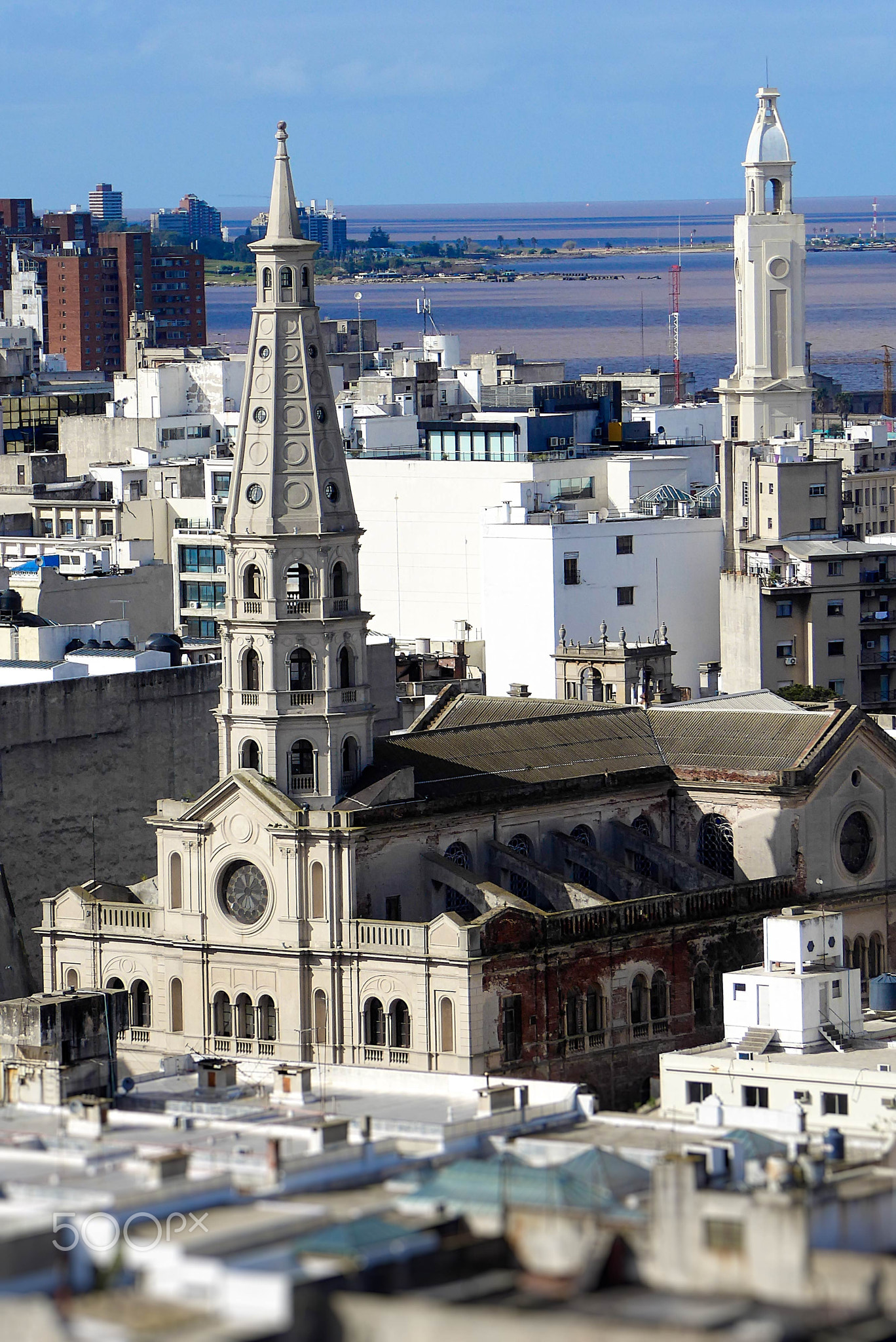
Nestled in the heart of Montevideo’s old town, the Parish of San Francisco de Asís feels like a quiet refuge from the rush of modern life. Built in the early 18th century, it stands on a corner where the city’s colonial past still lingers in the air, a place where the weight of history is almost tangible the moment you step inside. The church is small, its modest size only adding to its sense of intimacy—a rare pocket of stillness in a bustling city.
The architecture is unassuming yet enduring, a testament to the era in which it was built. Thick stone and brick walls rise above simple, clean lines, while arched windows let in just enough light to soften the interior. Inside, the space is defined by its restraint: high vaulted ceilings, wooden pews worn smooth by time, and an altar that speaks more of devotion than ornamentation. There are no gilded flourishes or grand decorations here, just a quiet dignity that makes the church feel like a living piece of history.
San Francisco de Asís has been a part of Montevideo’s story since the earliest days of the city. Franciscan monks arrived with the first waves of settlers, not only building churches but also shaping the community around them. They established schools, offered aid to the poor, and acted as mediators in a growing colony. Though the parish’s role has evolved over the centuries, it remains a place where people come not just for worship, but for the kind of peace that’s hard to find elsewhere in the city.
Visitors today will find the church almost always quiet, the silence broken only by the occasional echo of footsteps on the stone floor or the murmur of a prayer. The air inside is cool in summer, warmed in winter by the flicker of candles lit by those who pass through. Services are held regularly, but even on weekdays, the church rarely feels empty. Some come to light a candle, others to sit in contemplation, surrounded by icons and frescoes that have witnessed generations of faith.
The streets around the parish offer their own glimpse into the past. Cobblestone lanes wind through the old quarter, where colonial-era buildings stand alongside modern cafés and shops. Fragments of old murals peek out from between newer structures, hinting at the city’s layered history. San Francisco de Asís isn’t just a church—it’s a thread connecting the Montevideo of today with the one that existed centuries ago.
For anyone exploring the city, a visit here is worth the detour. Whether you’re drawn by faith, history, or simply the need for a moment of quiet, the church has a way of slowing time down. It’s a place where the noise of the outside world fades, and the city reveals itself in a different light—not as a busy port or a tourist hub, but as a place where past and present coexist in subtle harmony.