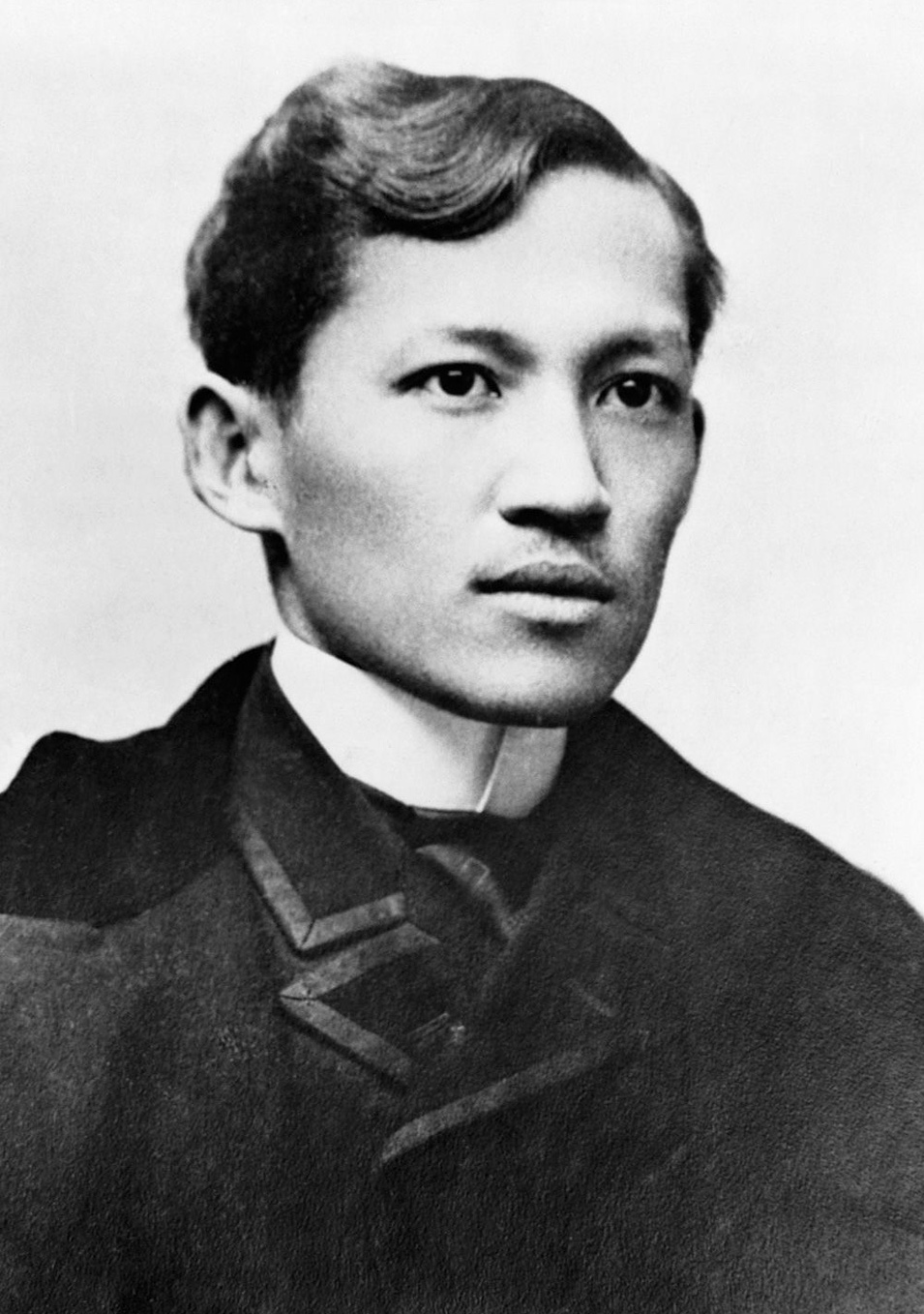
Rizal Park is one of those rare places in Manila where the weight of history lingers in the air without overwhelming the present. Stretching along the edge of Manila Bay, it carries the name of José Rizal, the country’s national hero—a poet, physician, and revolutionary whose life and death became a turning point in the Philippines’ struggle for independence. The park doesn’t feel like a museum frozen in time; it’s a living space where locals and visitors come to unwind, whether that means a quiet walk along the waterfront, a moment on a bench watching the waves, or simply soaking in the atmosphere of a city that never quite slows down.
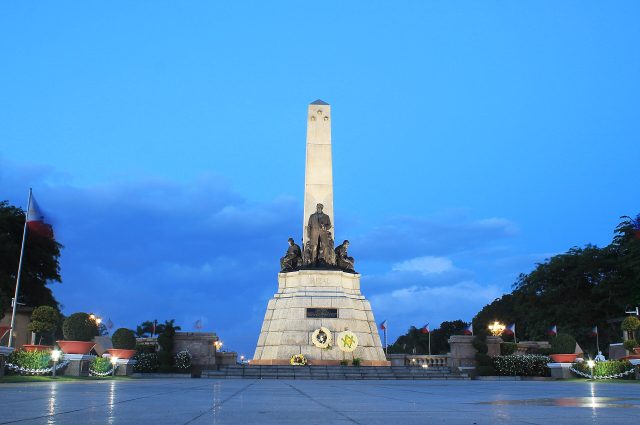
The land beneath the park wasn’t always a place of remembrance. In the late 19th century, this was the site of a Spanish colonial cemetery. After the Philippines gained independence, the area was transformed into a memorial dedicated to Rizal, who was executed here in 1896 by Spanish authorities. Today, the spot where he fell is marked by a granite obelisk, surrounded by flagpoles bearing the Philippine flag. It’s a solemn place, especially on national holidays, when crowds gather to pay their respects. The obelisk isn’t just a monument—it’s a focal point for the country’s collective memory, a reminder of the sacrifices that shaped the nation.
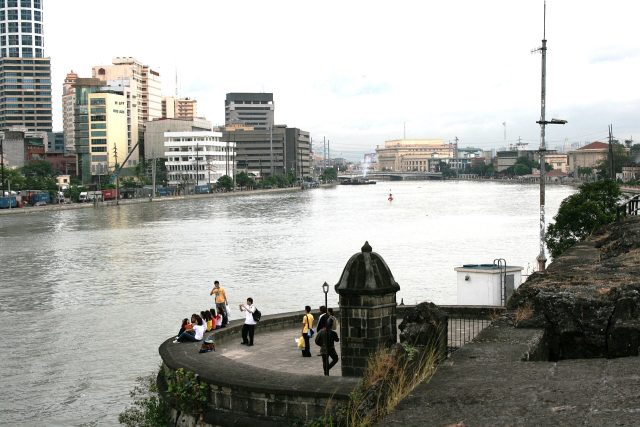
The park’s design balances solemnity with openness. A wide central promenade leads to a bronze statue of Rizal, depicted holding a book—a nod to his intellectual legacy and his belief in education as a path to freedom. Around the statue, manicured gardens with palm trees and flowering shrubs soften the memorial’s gravity. Along the bay, a broad esplanade offers unobstructed views of the water, where the sky often blazes with color at sunset. On clear evenings, the park becomes a favorite spot for photographers and couples, drawn by the quiet beauty of the scene.
Beyond its historical significance, Rizal Park is very much a part of everyday life in Manila. Mornings bring joggers and yoga enthusiasts, while families with children fill the grassy areas by midday. In the evenings, groups of friends gather near the fountains or on the benches, chatting or sharing snacks from nearby vendors. The park’s calendar isn’t rigid, but it does come alive during festivals and public celebrations. Open-air concerts, cultural performances, and occasional food fairs pop up without much warning, adding a spontaneous energy to the space. These events aren’t grand productions—they’re more like a natural extension of the park’s role as a communal gathering place.
One of the park’s most understated yet valuable features is the National Museum of Anthropology, tucked within its grounds. The museum isn’t just a collection of artifacts; it’s a journey through the Philippines’ cultural and historical layers, from pre-colonial times to the modern era. Exhibits include traditional textiles, weapons, household items, and even full-scale replicas of indigenous dwellings. For visitors trying to make sense of the country’s complex identity, the museum offers context that goes beyond the park’s memorials. It’s a place where history feels tangible, where the stories of ordinary people—farmers, artisans, warriors—are given as much weight as those of national heroes.
What makes Rizal Park special is its ability to feel both timeless and contemporary. It’s not a relic of the past, nor is it a modern urban park designed solely for leisure. Instead, it exists in the space between, where history and daily life intersect. The city’s hustle is never far away—shopping districts and busy streets are just a short drive from the park’s gates—but within its boundaries, the pace slows. There’s a sense of reverence here, but it’s not oppressive. The park respects its past without letting it overshadow the present.
For Filipinos, Rizal Park holds a deeply personal significance. School groups visit on field trips, veterans and descendants of independence fighters come to reflect, and newlyweds pose for photos against the backdrop of monuments. The park has become a symbol of national identity, a place where history isn’t just something read in textbooks but something felt in the air. It’s a reminder that the country’s story isn’t just about dates and battles—it’s about the people who lived, fought, and dreamed.
Over the years, the park has undergone renovations to make it more visitor-friendly. New pathways, better lighting, and shaded seating areas have been added, though the tropical heat still makes midday visits a challenge. Locals, accustomed to the climate, know how to navigate it—early mornings and late afternoons are the best times to explore. Even in the peak of summer, the park rarely empties. There’s something about the combination of open space, greenery, and the bay’s breeze that keeps people coming back.
If you find yourself in Manila, Rizal Park is worth a visit, whether you’re drawn by history, nature, or just the need for a quiet corner in a bustling city. Start with a walk along the bay, where the water reflects the changing sky. Stop by the museum to ground yourself in the country’s past, then linger as the sun dips below the horizon. The park doesn’t demand anything from its visitors—no itinerary, no rush. It simply offers a space to pause, to breathe, and to let the weight of its history settle in at its own pace.