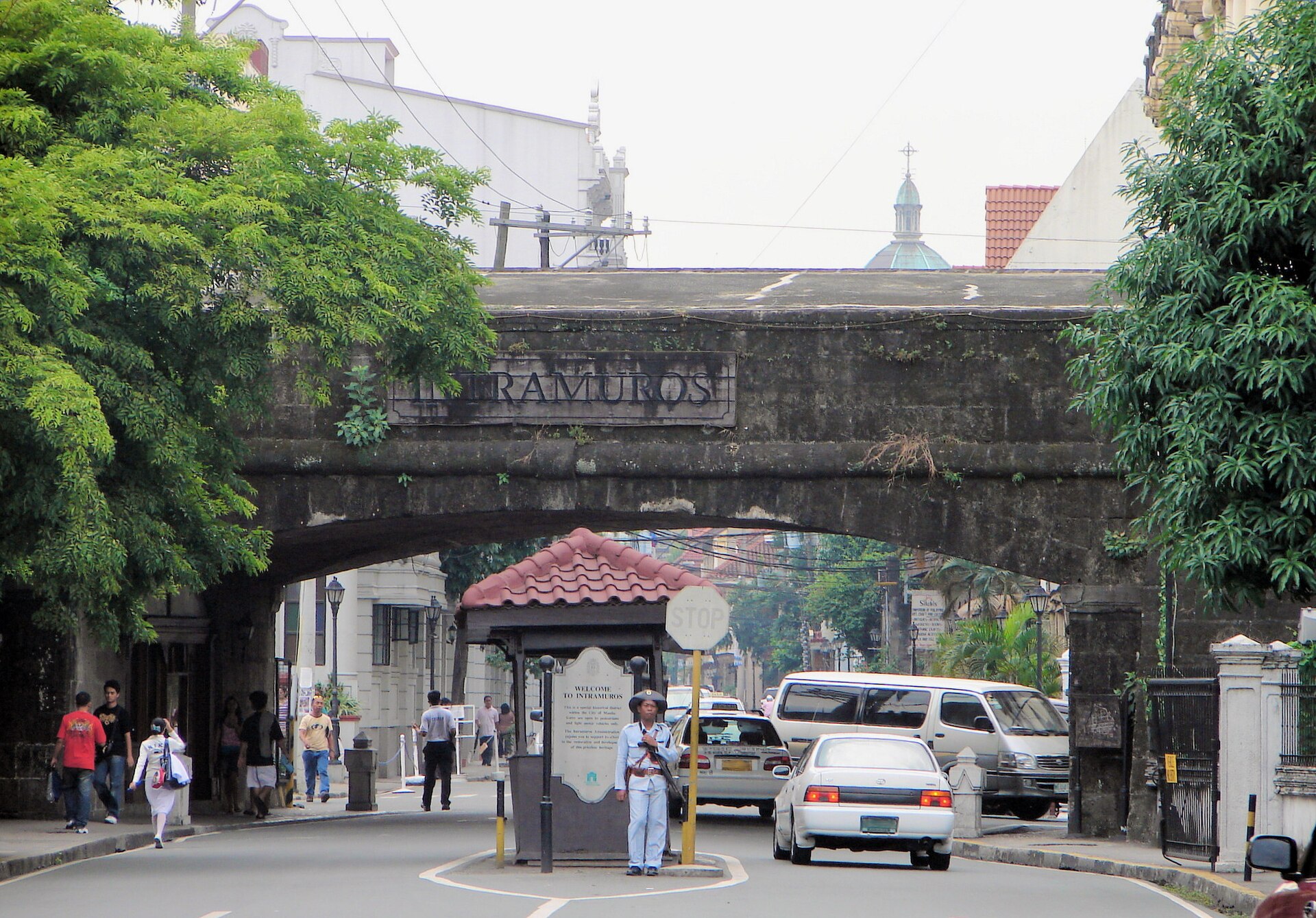
Intramuros is where Manila’s pace softens, as if the city has taken a breath. Behind thick stone walls, the oldest district of the capital holds centuries of stories—colonial rule, war, resilience. History isn’t confined to plaques here; it seeps into crumbling facades and quiet courtyards where people still gather.
Founded in the late 16th century by Spanish conquistadors, Intramuros was the heart of Manila and the Philippine colony. The name means "within the walls." The district was built as a fortress, its ramparts up to four meters thick, meant to shield the city from pirates and invaders. Behind these walls, the Spanish elite established their world—governors’ palaces, monasteries, schools, and the University of Santo Tomas, founded in 1611. Much of that grandeur is gone, reduced by time and conflict, but what remains lets you imagine the district in its prime.
A walk through Intramuros often starts at Puerta Real, where carriages once rolled in bearing colonial officials. From here, Plaza de Roma opens up, framed by colonial-era buildings. At its center stands a monument to Charles IV, erected for the smallpox vaccine brought to the Philippines in the early 1800s. Nearby, Manila Cathedral looms, its mid-20th-century reconstruction blending neoclassical and neo-Romanesque styles. Inside, the air is cool and dim, the high ceilings and stained glass casting long shadows.
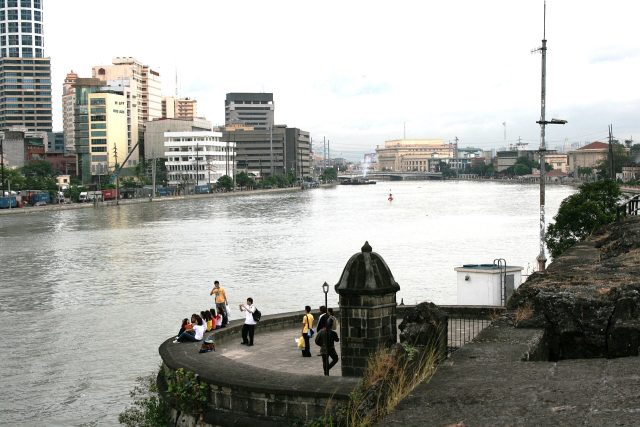
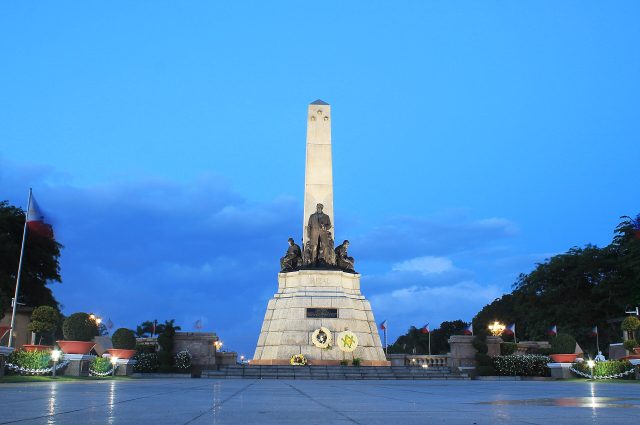
Fort Santiago, dating back to 1571, is a must-visit. Its walls witnessed the imprisonment and execution of José Rizal in 1896. Today, the fort mixes solemn memorials and serene gardens. Pathways are lined with trees and fountains, but darker echoes remain—the dungeons, the artillery platforms, and the footprints marking Rizal’s final steps. The fort doesn’t just tell history; it makes you feel it.
The architecture here is a patchwork of influences. Baroque churches stand beside neoclassical mansions. There are *bahay na bato*—traditional Filipino houses built from stone and wood—now repurposed as museums or cafes. Their wooden shutters and capiz-shell windows offer glimpses into a bygone way of life. Small shops sell handmade crafts: woven fans, pottery, jewelry made from shells.
Intramuros isn’t frozen in time. People live here, students attend classes, and churches hold services. In the evenings, music drifts from plazas, cafes hum with conversation, and streetlamps glow over cobblestones. During festivals, the streets fill with color and sound. Even in December, Christmas lights are strung between buildings. The scars of World War II—when much was destroyed by bombing—are visible, but they haven’t erased its character.
For anyone trying to understand the Philippines, Intramuros is essential. You can spend hours moving between landmarks or sitting on a bench beneath an old tree. The district doesn’t rush you. It invites you to notice the details—the light through leaves, footsteps on stone, the scent of old wood and damp earth. In a city racing forward, Intramuros offers stillness. History isn’t just something you read about. It’s something you walk through, touch, and feel.