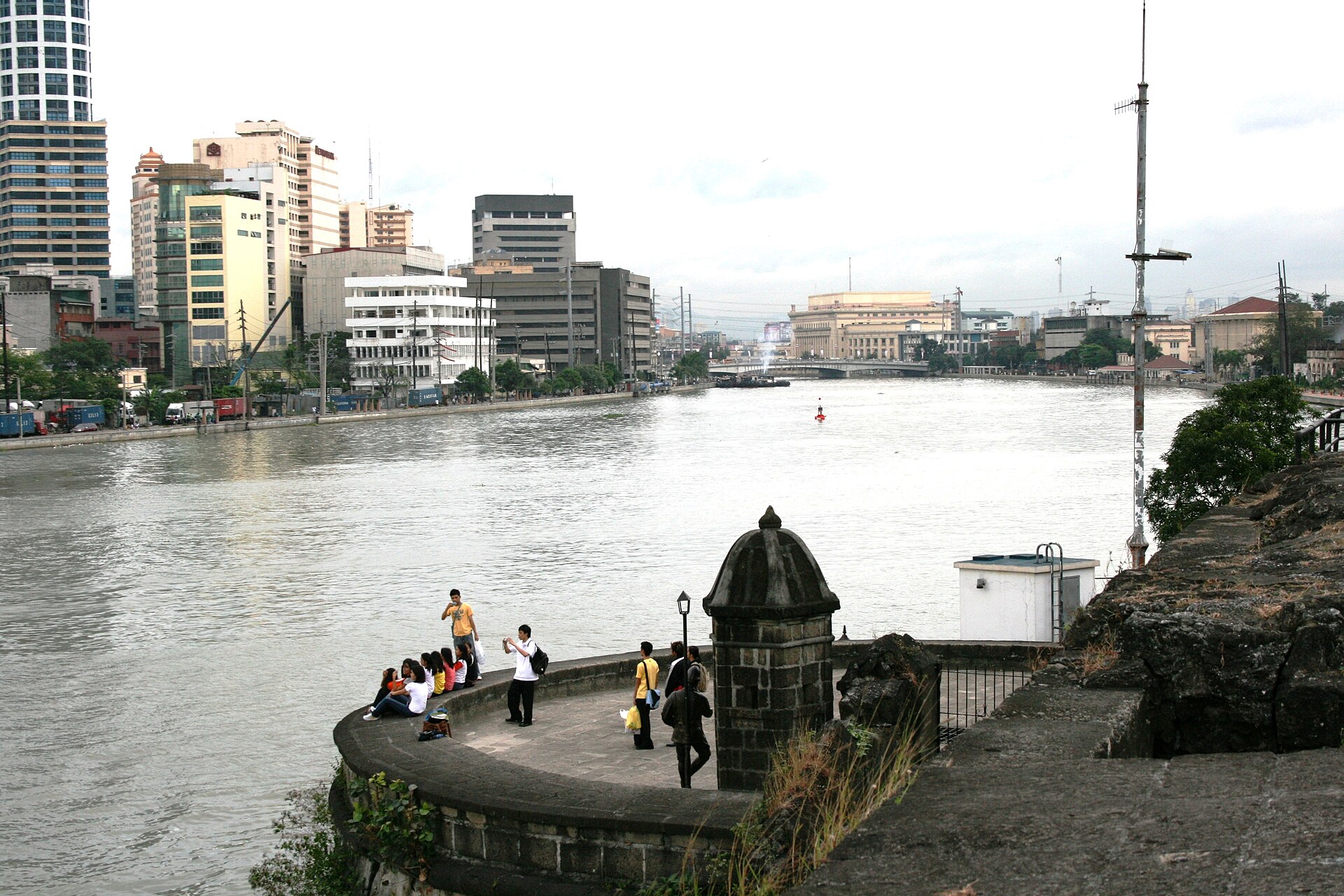
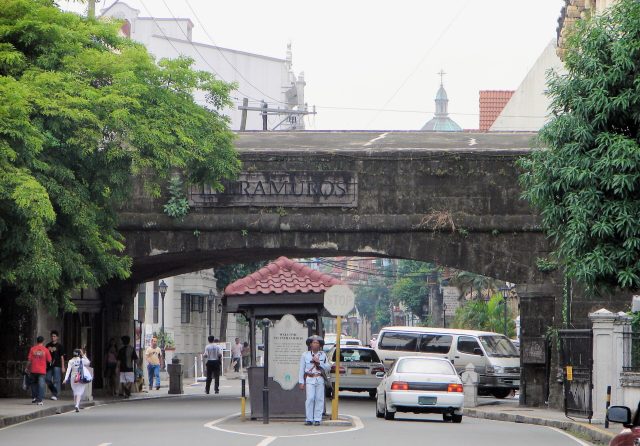
Fort Santiago sits along the banks of the Pasig River in the heart of Manila’s historic Intramuros district, a place where the weight of centuries lingers in the air. Built at the end of the 16th century, it was one of the first major fortifications established by Spanish colonizers under Miguel López de Legazpi, serving as both a military stronghold and a symbol of imperial control over the Philippine archipelago. The fort takes its name from Saint James, the patron saint of Spain, and for over three hundred years, it stood as a silent witness to the shifting tides of power, conflict, and cultural transformation that shaped the nation.
The architecture of Fort Santiago reflects the blending of European military engineering with local materials and techniques. Its thick walls, constructed from volcanic tuff, were designed to withstand not only enemy attacks but also the frequent earthquakes that have long plagued Manila. The massive wooden gates, adorned with intricate carvings, lead into a labyrinth of narrow passageways, open courtyards, and bastions that once bristled with cannons aimed at approaching ships. The Spanish coat of arms still marks the main entrance, a reminder of the empire that once ruled these islands. Inside, the layout feels almost like a small town, with its own streets, plazas, and hidden corners where history seems to breathe through the weathered stone.
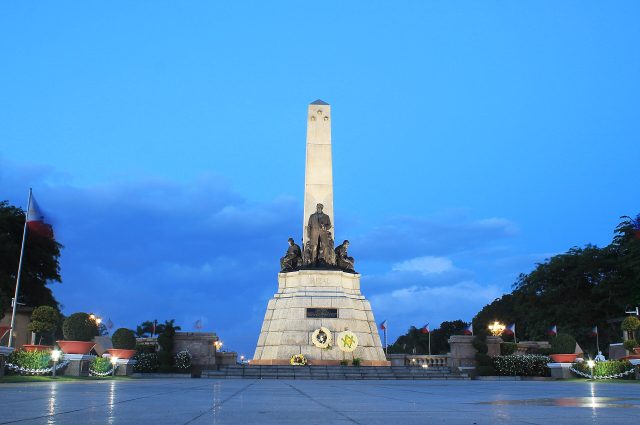
One of the most poignant spots within the fort is the prison cell where José Rizal, the Philippines’ national hero, was held before his execution in 1896. It was here that he wrote his final poem, *Mi Último Adiós*, a defiant yet melancholic farewell that would later become a rallying cry for independence. Today, a bronze statue of Rizal stands in the cell, and a small museum nearby chronicles his life—his writings, his travels, and his role in awakening national consciousness. Standing in that dimly lit space, it’s impossible not to feel the weight of his sacrifice or the echoes of the revolution that followed.
Fort Santiago has seen its share of violence. During World War II, Japanese forces occupied the fort, turning it into a prison and interrogation center where countless Filipino and American soldiers were tortured and killed. The scars of that era remain visible in places—the pockmarked walls, the rusted iron bars—though much of the fort was restored after the war. Memorial plaques and simple monuments now mark the spots where prisoners were held, a quiet tribute to those who never left. The contrast between the fort’s serene present and its brutal past is striking, a reminder of how easily history can be both preserved and forgotten.
These days, the fort is a place where history and everyday life intersect. Locals come here to escape the chaos of the city, strolling along the ramparts or sitting on benches beneath the shade of acacia trees. Tourists wander through the courtyards, snapping photos of the old cannons and the river views, while students sketch the architecture for school projects. In the evenings, the fort takes on a different mood—the floodlights cast long shadows across the stone walls, and the sound of the Pasig River lapping against the shore mixes with the distant hum of traffic from the modern city beyond. On weekends, families spread out picnic blankets, and musicians sometimes perform in the open-air plazas, their songs drifting through the same spaces where soldiers once marched.
What makes Fort Santiago more than just a relic is its connection to the living city around it. Intramuros, the walled district that surrounds the fort, is one of the few places in Manila where the colonial past feels tangible. Cobblestone streets wind past centuries-old churches, crumbling mansions, and plazas where vendors sell everything from fresh mangoes to handmade fans. The contrast between the quiet, almost timeless atmosphere inside the fort and the bustling energy of the city just beyond its walls is part of its charm. It’s easy to imagine the fort as it once was—a place of power, fear, and resilience, where every stone has a story to tell.
For anyone curious about Philippine history, Fort Santiago is more than just a stop on a tourist itinerary. It’s a place where the past isn’t just remembered but felt. You can spend hours exploring its nooks and crannies, reading the plaques that explain its role in wars and revolutions, or simply sitting on a bench, watching the light change over the river. There’s no grand narrative here, no polished tourist spectacle—just the quiet persistence of a place that has survived conquest, occupation, and time itself. In that way, Fort Santiago isn’t just a monument to history; it’s a bridge between what was and what is, a reminder that the stories of the past are never really over.