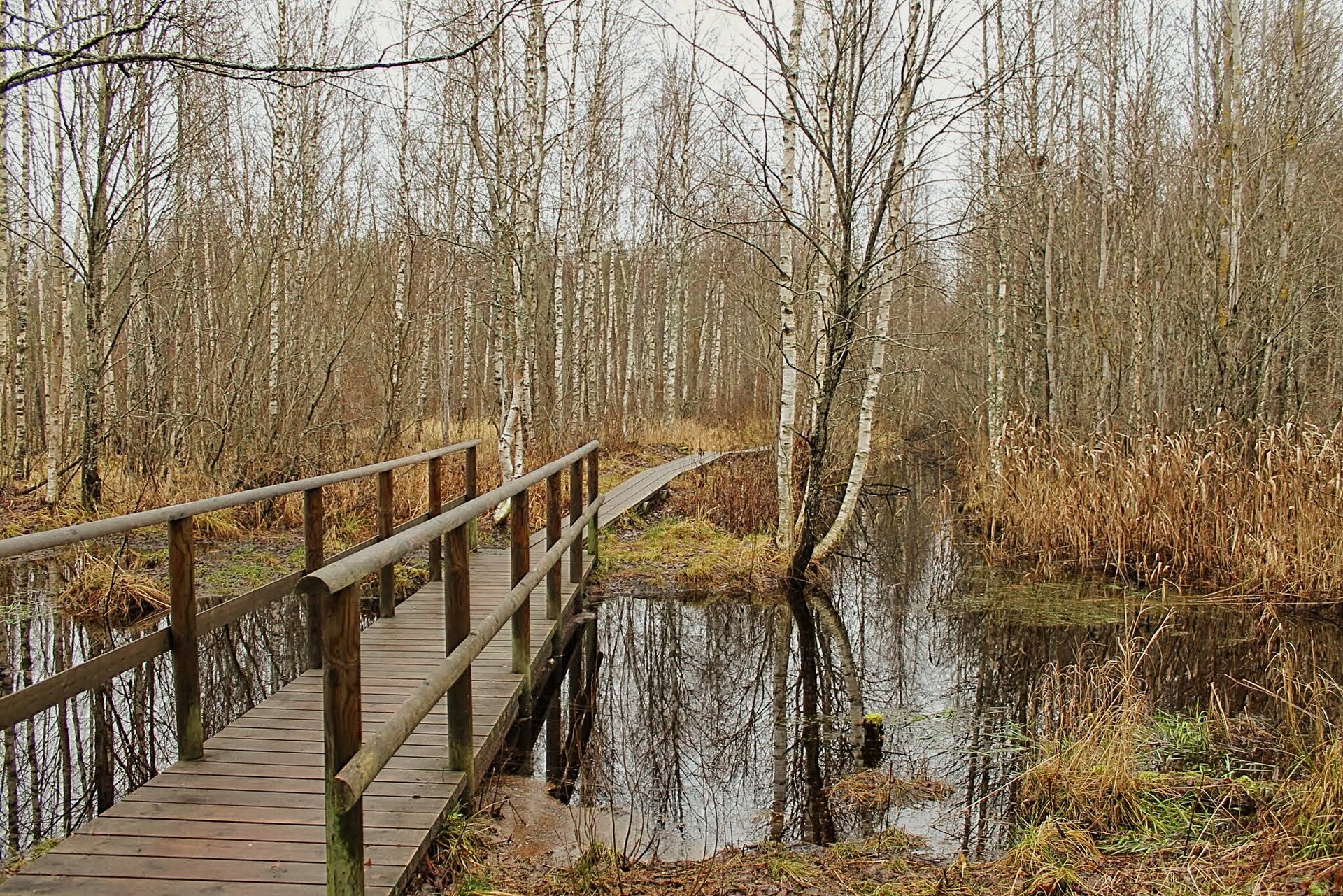
Narva’s Vabaduse Park is one of those quiet, unassuming places that reveal their character slowly. Tucked between the city’s older neighborhoods and the broad, slow-moving Narva River, it doesn’t announce itself with grand monuments or flashy attractions. Instead, it offers something simpler: a stretch of green where the past and present coexist without much fanfare. The park has been here for generations, shaped by the city’s shifting fortunes, and today it serves as a kind of open-air archive of Narva’s layered history.
The layout of the park reflects its origins in the late 19th century, when Narva was part of the Russian Empire and undergoing rapid industrialization. The city’s textile mills were booming, drawing workers from across the region, and public spaces like this were designed to provide a respite from the crowded, soot-filled streets. The paths curve gently around mature trees—linden, oak, and maple—planted in neat rows, a nod to the orderly landscaping trends of the time. Some of these trees have stood for well over a century, their gnarled roots holding memories of the city’s transformation from a provincial backwater to an industrial hub.
At the heart of the park is a modest but striking feature: a small hill crowned by a stone pedestal. This is the site of a former monument, one that has been removed and replaced more than once over the decades. During the Soviet era, it bore a statue of Lenin, a common sight in Estonian cities at the time. After Estonia regained independence in 1991, the monument was taken down, leaving behind only the empty pedestal. For years, the space stood bare, a silent marker of the ideological shifts that have swept through Narva. In recent times, there have been discussions about what, if anything, should take its place, but for now, the hill remains a quiet testament to the city’s ability to adapt.
The park’s location near the river adds another layer to its significance. The Narva River has always been a defining feature of the city, serving as both a natural border and a vital trade route. For centuries, it marked the boundary between the Russian Empire and the lands controlled by Sweden and later the Baltic states. During the Soviet period, the river became part of the Iron Curtain, a heavily guarded divide between East and West. Today, it’s a peaceful waterway, and the park offers one of the best vantage points to take it in. On clear days, you can see the Hermann Castle on the opposite bank, its medieval towers a stark contrast to the Soviet-era apartment blocks that line the river in Narva.
Despite its historical weight, Vabaduse Park doesn’t feel like a museum. It’s a lived-in space, used by locals in ways that have little to do with its past. In the warmer months, families spread out blankets for picnics, teenagers gather on the benches to chat, and elderly men play chess under the shade of the trees. In winter, the paths are crisscrossed with footprints, and the hill becomes a popular spot for sledding. The park’s name—Vabaduse means "freedom" in Estonian—hints at its symbolic role, but in everyday life, it’s simply a place where people go to unwind.
One of the park’s most understated charms is its connection to Narva’s multicultural identity. The city has long been a meeting point of cultures, with Estonian, Russian, and German influences shaping its character. This diversity is reflected in the park’s visitors, who come from all walks of life. You might hear snippets of Estonian, Russian, or even Finnish being spoken as you walk along the paths. The park doesn’t try to reconcile these different identities; it just provides a neutral ground where they can coexist.
Over the years, Vabaduse Park has seen its share of changes, but it has also remained remarkably consistent. The benches may have been replaced, the paths repaved, and the trees pruned, but the overall feel of the place endures. It’s not a destination in the traditional sense—there are no must-see sights or guided tours—but that’s part of its appeal. It’s a place where history isn’t just preserved in stone or bronze but lived, day by day, by the people who call Narva home.
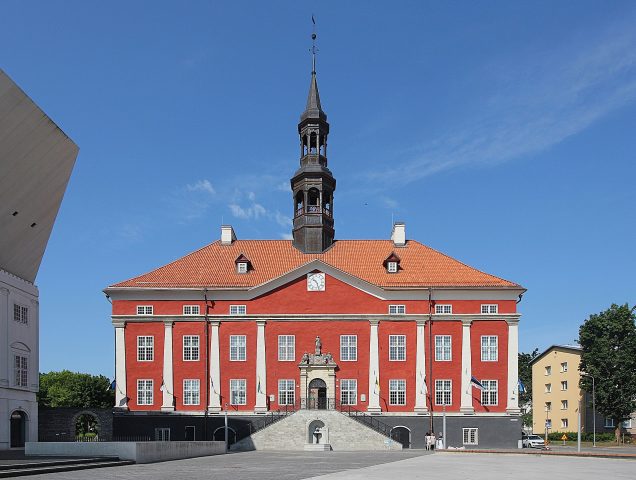
For visitors, the park offers a chance to experience the city beyond its more famous landmarks. While Hermann Castle and the Baroque town hall draw crowds, Vabaduse Park provides a quieter perspective. It’s a place to sit and watch the river flow, to observe the rhythm of daily life, or to simply enjoy the shade of an old tree. In a city that has often found itself at the crossroads of empires, the park stands as a reminder that some things—like the need for green spaces and moments of quiet—are universal.