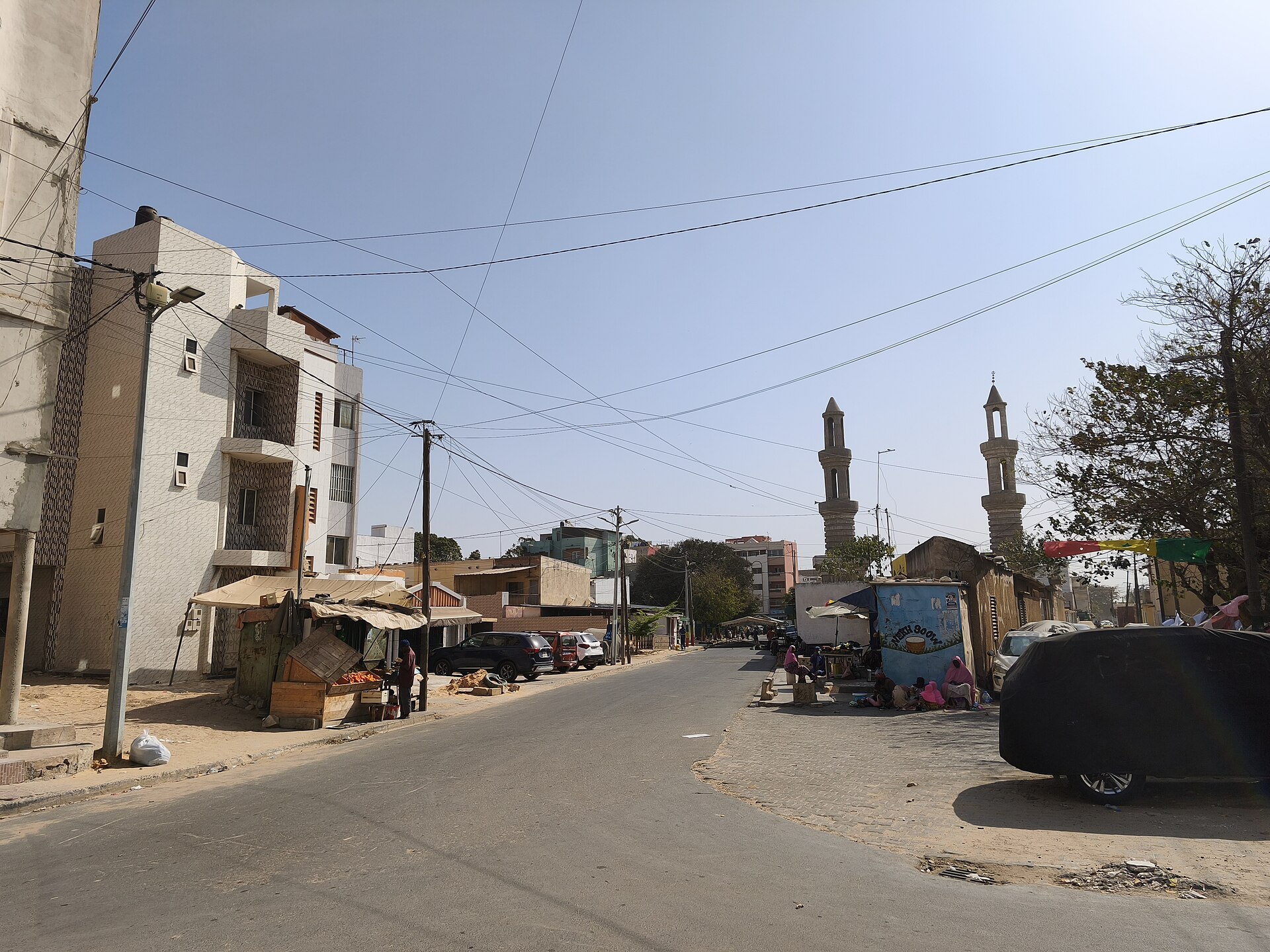
Urban Park is one of those rare places in Dakar where the city seems to pause, offering a moment of quiet and greenery amid the capital’s relentless energy. Tucked within the heart of the Plateau district, the city’s bustling business hub, it serves as both a refuge for locals and visitors and a quiet witness to the changes Senegal has undergone over the past century. There are no flashy attractions or crowds here—just shaded pathways, benches beneath old trees, and the sense that time moves a little slower.
The park’s origins are tied to Senegal’s colonial past. It was established in the late 19th century, when Dakar was transforming from a small fishing settlement into the administrative center of French West Africa. As the city expanded, European planners introduced familiar urban elements—wide boulevards, public gardens, and fountains—to create a semblance of order and comfort. Urban Park was one of the first such spaces, where residents could escape the heat and dust, and colonial officials could stroll beneath palm trees, discussing affairs away from their offices.
The park’s design is simple and unassuming, which is part of its charm. A central pathway leads to a modest fountain surrounded by seasonal flowerbeds, their colors shifting with the time of year. Towering trees—baobabs, acacias, mangoes—form a natural canopy, shielding visitors from the harsh sun. Along the walkways, benches remain, some dating back to colonial times, while old-fashioned lampposts hint at how the park was lit a century ago. There are no grand monuments or sculptures, but that only reinforces its role as a place for everyday life rather than ceremonial displays.
Today, Urban Park remains a favorite spot for those working in nearby offices. At lunchtime, you’ll find employees eating their meals outdoors or students studying under the rustling leaves. On weekends, families gather—children playing along the paths, parents watching from benches, and elders engaged in games of checkers or simply enjoying the quiet. In this way, the park reflects the diversity of Dakar’s society, where different generations and social groups come together naturally.
Its location adds to the park’s appeal. The Plateau district is not just the city’s business core but also a historic area where colonial-era buildings stand alongside modern offices, and narrow streets open onto grand squares. Urban Park is just a short walk from landmarks like the Presidential Palace, Dakar Cathedral, and Independence Square. Wandering through it, you can almost trace the city’s evolution—from a colonial outpost to the capital of an independent nation.
In recent years, the park has become a venue for small cultural events. Local artists sometimes hold exhibitions here, while musicians perform acoustic sets or poets read their work. These gatherings are low-key, fitting seamlessly into the park’s atmosphere. It doesn’t aim to be a tourist hotspot; instead, it remains a place for locals to unwind, reflect, or spend time with loved ones.
Like many public spaces in rapidly growing African capitals, Urban Park faces challenges. Litter can accumulate, and benches sometimes show signs of wear. But the city and volunteers regularly organize clean-up efforts, and Dakar’s residents take pride in preserving this green oasis. In a metropolis as dense as theirs, such pockets of nature are a luxury.
For visitors, Urban Park offers a different side of Dakar—one not often highlighted in guidebooks. There’s no exoticism of the Saloum Delta or the bustle of Sandaga Market, just the chance to experience the rhythm of daily life. You can sit on a bench with coffee from a nearby café, watch a game of checkers, or listen to the leaves rustling in the ocean breeze. The park has no pretensions—just quiet, greenery, and the feeling that Dakar, for all its chaos, knows how to slow down and breathe.